When I first launched my stage effects machine supply business seven years ago, I’ll admit—most of my early pitches were tied to concert tours, theater productions, and festival main stages. Back then, I’d never had a client ask: “Can we use one of your fog machines or spark generators for a music video?” That question started popping up three years into my business, after a small indie pop crew reached out, struggling to recreate the mood of a sold-out show they’d filmed for their first music video. Today, it’s one of the most common questions I get from production teams across the globe, and the short answer is a resounding yes—but there’s a lot more nuance to it than just hitting a button and filming. Stage Effects Machine
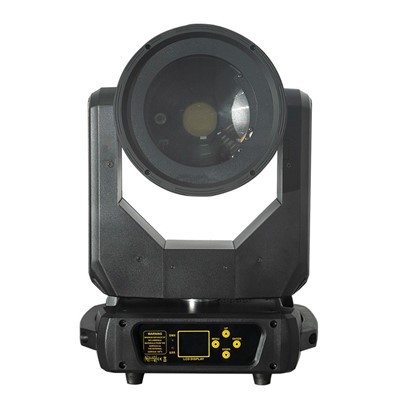
Let’s start with the core of what a stage effects machine actually does, because that’s where the line between live performance and video production starts to blur. Most people picture the big, bulky foggers at a rock concert, or the spark machines that light up a stadium stage during a chorus drop. But the category is way broader these days: high-pressure haze generators that cut through smoke without making a room feel murky, cold spark machines that create pyrotechnic-style bursts but don’t get hot enough to singe a single strand of hair, confetti cannons calibrated to fire at exact angles for frame-perfect shots, and even low-lying fog units that sit along the ground, perfect for creating eerie, atmospheric ground effects in a music video. The key difference between these and cheap, off-the-shelf party effects is consistency. For live shows, consistency matters for a 90-minute set; for video, it matters for every single frame. If a haze machine spits out too much mist in one take, the camera will pick up lens flare or obscure the artist’s face. If a spark machine fires a burst that’s too big in one clip and too small in the next, the entire sequence feels unpolished. That’s where stage effects machines shine for music videos.
I’ve seen this play out firsthand with a recent client: a alternative R&B artist filming a video for their lead single, which centers on the artist walking through a empty, retro-style apartment at golden hour. The production team first tried to use a regular fog machine they rented from a local party supply shop, but it kept spitting out thick, yellowish mist that made the warm golden light look dull and murky. The crew ended up wasting three days of filming, reshooting the same three-minute sequence 12 times because the mist would settle in different spots, blocking the artist’s silhouette or washing out the wall decor. When they reached out to me, we sent over a compact, professional-grade haze machine with DMX control, paired with a low-lying fog unit that runs on non-toxic, water-based fluid. The results? They nailed the sequence in two takes. The haze was thick enough to create soft, dreamy depth between the artist and the background, but thin enough to let the golden light cut through without glare. The low-lying fog settled just an inch above the floor, matching the retro vibe of the apartment without pooling around the artist’s shoes, which would have looked messy on camera. That’s the kind of precision that only a purpose-built stage effects machine can deliver for video production.
Another big factor for music videos is control over timing. Live stage effects are synced to a setlist, with operators who can adjust output mid-song to match a chorus or a verse. For video, effects need to be synced to a beat, down to the millisecond. Let’s take spark machines, for example—one of the most popular effects for music videos, especially for high-energy EDM or pop tracks. A cheap spark machine will fire random bursts, which look great at a party but terrible on film, where every frame is a still image that needs to add to the story of the video. Professional stage spark machines have precise timing controls, paired with DMX or MIDI sync, which means they can be programmed to fire exactly on each beat of the track, or even on individual syllables of a lyric. I had a client last year filming a hip-hop video, where the artist performs a verse while a fire dancer spins beside them. The production team used a stage spark machine calibrated to fire a small, 2-foot burst every time the artist said the word “fire” in the verse. On camera, it looked like the spark was responding to the lyric, not a machine being fired by a off-set operator. That’s the kind of storytelling power that stage effects machines bring to music videos—they don’t just add flash, they add narrative.
But it’s not just about cool-looking effects. There’s a lot of technical stuff that production teams have to consider when using stage machines for video, and that’s where my team and I step in as suppliers, not just equipment renters or sellers. For example, camera settings: a fog or haze that looks perfect to the naked eye might look overexposed in a 4K or 8K video, especially when paired with slow-motion shots. Most of our stage effects machines have adjustable output levels, so teams can dial back the mist or haze to match their camera’s aperture and frame rate. We also work with production teams to choose the right fluid: for videos filmed outdoors, we recommend a water-based haze fluid that dissipates faster, so if the wind picks up, it doesn’t leave a hazy haze across the entire shot. For indoor shoots, we offer odorless, non-toxic fluids that don’t leave a sticky residue on walls or floors—something that party store fluids often do, which means you don’t have to spend hours cleaning a set after filming wraps.
Safety is another huge point, and it’s one that a lot of new production teams overlook. Live stage effects have safety protocols too, but for video, where shoots can be long, tight, and involve a lot of crew members and expensive equipment, safety is non-negotiable. Our cold spark machines, for example, are classified as Category 1 pyrotechnics, meaning they don’t produce any open flame, and the sparks only reach a maximum temperature of 150 degrees Fahrenheit—cool enough to touch, but bright enough to look like traditional fireworks on camera. That’s a big deal for shoots in small spaces, or where the artist is standing close to the effect. We also require all clients to go through a quick training session on how to operate the machines safely, especially when using them with power cords or DMX controllers. I once had a client who used a unapproved spark machine for a shoot, which overheated and caused a small fire in the set’s lighting rig. That’s the kind of mistake that costs thousands of dollars in reshoots and equipment damage, and it’s completely avoidable with professional stage effects machines and proper guidance.
Of course, there are limits to what stage effects machines can do for music videos. You can’t recreate a tropical storm with a standard stage fog machine, just like you can’t produce the same scale of confetti as a stadium show with a compact stage confetti cannon. But for the vast majority of music video needs—atmospheric haze, ground effects, timed spark bursts, confetti, and even small-scale smoke for mood—stage effects machines are more than capable, and often better than custom solutions that teams might cobble together. The indie pop crew I mentioned earlier went on to use another one of our haze machines for their next video, a outdoor shot at a coastal cliff, and they told me that the effect helped the video rack up 2 million streams in its first month, in part because the mood felt cohesive and intentional, not like a last-minute add-on.
That’s the biggest takeaway here: a stage effects machine doesn’t just produce special effects for music videos. It helps tell the story. A well-placed haze can make a lonely scene feel dreamlike, a timed spark burst can highlight a song’s emotional peak, a low-lying fog can make a empty room feel immersive. I’ve been in this business long enough to know that great music videos are a mix of good music, good directing, and small, intentional choices that add up. Stage effects machines are one of those choices—ones that don’t draw attention to themselves, but make every part of the video feel more polished and memorable.
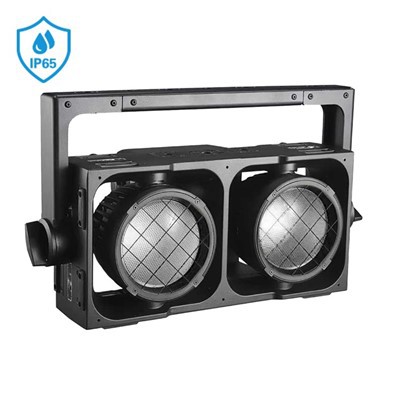
If you’re a music video production team, an independent artist, or a director looking to add the right kind of mood to your next project, let’s talk. I’ve spent years working with all kinds of production teams, from small indie crews to major label artists, and I can help you pick the right stage effects machine for your shoot, walk you through safety protocols, and even offer custom programming for timing and syncing. The goal isn’t just to sell you a machine—it’s to help you get the exact look you’re going for, without the stress or mistakes that come with using the wrong equipment.
LED Par Light References
- Professional Stage Effects Association. (2022). "Best Practices for Effects in Film and Video Production." Industry Standards Report.
- Digital Video Production Association. (2021). "Haze and Fog: Technical Considerations for 4K and Slow-Motion Filming." Technical Brief.
- Pyrotechnic Safety Institute. (2023). "Cold Spark Machines: Safety Guidelines for Small-Scale Production Shoots." Safety Manual.
- Live Sound and Production Magazine. (2022). "Bridging Live and Video: How Stage Effects Equipments Are Evolving for Digital Content." Feature Article.
- Independent Music Video Creators Collective. (2021). "Effects Tools for Low-Budget Video Production." Creator Resource Guide.
Guangdong New Start Lighting Co., Ltd.
Guangdong New Start Lighting Co., Ltd. is one of the most professional stage effects machine manufacturers and suppliers in China. Welcome to wholesale durable stage effects machine in stock here and get quotation from our factory. All customized products are with high quality and competitive price.
Address: No.2, Hubin Road, Jiaoxin Village, Shimen Street, Baiyun District, Guangzhou, Guangdong, China
E-mail: newstartkate@gmail.com
WebSite: https://www.newstartlighting.com/
