If you’ve ever walked down a grocery store aisle, scanned the ingredients list on a jam jar, a bag of vanilla wafers, or even a bottle of citrus energy drink, you’ve probably seen the phrase “natural identical flavor” and wondered what it actually means. For 12 years, I’ve worked in the Flavors & Fragrances space—starting as a lab tech mixing tiny batches of fruit syrup for a local bakery, now as part of a small, specialized supplier team that partners with snack, beverage, and personal care brands to build flavors that taste consistent, affordable, and true to what customers expect. More times than I can count, a brand owner has pulled me aside after a product launch to ask: “Is this natural? And what’s the difference between that and the stuff I used to call ‘artificial’?” Today, I want to break this down clearly, because natural identical flavor is often misunderstood, and it’s one of the most versatile tools we use to make products people love, day after day. Flavors & Fragrances
Let’s start with the basics: what a flavor molecule actually is. Every taste or smell you perceive—from the sweetness of a strawberry to the earthy kick of coffee to the zing of lemon—comes from a specific molecule, or a combination of a few molecules. The strawberry you pick fresh in June has dozens of these molecules interacting to create that bright, complex flavor; a cheap, out-of-season strawberry from the grocery store might only have half of them, or in different ratios, so it tastes flat. When we make flavors for food and drinks, our job as F&F suppliers is to replicate that exact set of molecules (or a balanced subset of them) so that every bite of a strawberry yogurt, every sip of a strawberry soda, tastes like the strawberry you expect.
Now, the terms here are where confusion sets in. Let’s define the three main categories we work with, because they’re often mixed up: natural flavor, natural identical flavor, and artificial flavor. The key distinction isn’t whether a molecule is “real” or “fake”—it’s where that molecule comes from, and how it’s produced.
Natural flavors are made by extracting or fermenting natural sources. For example, a natural vanilla flavor would come from vanilla beans: we soak beans in alcohol or water to pull out the vanillin molecule, plus all the other compounds that give real vanilla its depth, like coumarin or eugenol. A natural strawberry flavor might come from crushing real strawberries, then distilling their juice to concentrate the flavor molecules. The upside of natural flavors is that they feel familiar; if you see “natural strawberry” on a label, most consumers assume that’s as close to fresh strawberry as you can get in a packaged product. The downside is twofold: first, natural raw materials are expensive. Vanilla beans, for example, have had years of supply chain issues due to weather and crop diseases, pushing prices up 300% in the last decade. Second, natural flavors are inconsistent, especially for large-scale production. If the strawberry crop in Florida is dry one year, the molecules in those berries will be slightly different than the berries from a wet year in California, so the flavor will taste different. That’s a huge problem for brands that need every batch of soda to taste exactly the same, month after month, year after year.
Artificial flavors, on the other hand, are made entirely from non-natural sources—usually petroleum-based chemicals, or byproducts from other industrial processes. You might see “artificial vanilla” on a cheap candy label, and what that usually means is synthetic vanillin, a molecule that’s chemically identical to the vanillin in real vanilla beans, but made in a lab instead of extracted from beans. The problem with artificial flavors is that they often taste one-note; synthetic vanillin has the same molecular structure as natural vanillin, but it doesn’t have all the other small compounds that give real vanilla its creamy, slightly woody, slightly floral undertones. Artificial flavors can also have a stigma with consumers, who associate them with being “unnatural” or “bad for you,” even if the molecule itself is chemically identical to one found in nature.
Which brings us to natural identical flavor—the star of this post. Let’s get the official definition straight, because regulatory bodies around the world (like the FDA in the U.S., EFSA in the EU, and Codex Alimentarius, the global food standards body) all agree on this: a natural identical flavor is a flavor compound that is chemically identical to a compound found in nature, but is produced synthetically (or via microbial fermentation) instead of being extracted from a natural source. That’s it. The key here is the chemically identical part. The vanillin in natural vanilla beans is exactly the same molecule as the vanillin we make in our lab for natural identical vanilla. There’s no difference in the molecular structure—they act the same on your taste buds, they’re the same compound.
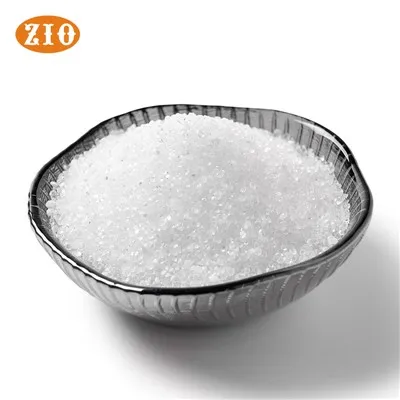
Wait, that’s a big deal. Let me repeat that: if you hold a grain of natural vanillin (from beans) and a grain of synthetic vanillin (from natural identical vanilla) side by side, there’s no way to tell them apart under a microscope. They react the same way, they have the same taste, they’re made of the same atoms bonded in the same order. The only difference is how they were sourced.
So why would a brand choose natural identical flavor over natural? The reasons tie back to consistency, cost, and sustainability—three things that are non-negotiable for most FMCG brands these days. Let’s take a common example: citrus flavor, specifically limonene, the molecule that gives lemons their zing. Natural limonene is extracted from citrus peels, but it’s not just used in food—it’s also a common industrial solvent, used in cleaning products, paints, and even pharmaceuticals. Demand for natural limonene is high, so the price can swing wildly depending on citrus harvests. For a brand that makes lemonade, which uses hundreds of thousands of gallons of limonene a year, using natural limonene could make their product 20-30% more expensive, and if a bad citrus season cuts supply, they could run out of flavor entirely mid-year. Natural identical limonene, on the other hand, is made from things like corn sugar via microbial fermentation, or even from recycled industrial byproducts, so it’s consistent, affordable, and available year-round.
Another example: berry flavors. Fresh strawberries have over 300 different flavor compounds, but for a strawberry jam, you only need a core set of about 20 to make it taste like strawberry, without being overly complex. Using natural identical versions of those core compounds—like ethyl butyrate, which tastes like ripe strawberry, or hexanal, which gives that fresh green top note—lets us replicate that exact strawberry taste every single time, even if the fresh berry supply is short. And because we can adjust the ratios of those compounds, we can make a flavor that’s tailored to a product: a strawberry yogurt might need a hint more creaminess, so we add a tiny bit of a natural identical compound that mimics the fatty undertones of real milk, while a strawberry candy might need a hint more sweetness, so we adjust the sugar ratio slightly.
Now, I know what some of you are thinking: “If it’s chemically identical, why not just call it natural?” That’s where regulation comes in, and it’s not arbitrary. The FDA and EFSA require strict labeling rules, because consumers have the right to know how a product is made. Natural identical is not the same as natural, because it didn’t come from a natural source. But it’s also not the same as artificial, because it’s a compound that exists in nature—its structure isn’t foreign to your body, the way some artificial compounds can be. That’s a common misconception: people assume “artificial” is the same as “synthetic,” but natural identical is also synthetic, just from a known natural compound.
Let me share a real story to make this concrete. A few years ago, we worked with a brand that made line of low-sugar fruit snacks. They had been using natural berry flavors, but every time their blueberry crop in the U.S. had a bad year (which happens about every 3-4 years due to rain or frost), their snacks would taste off. We suggested switching to a natural identical blueberry flavor for the core compounds, and then a small amount of natural blueberry extract to add a hint of that fresh, juicy top note. The result? The snacks tasted exactly the same, no matter what the blueberry harvest was like. And because we used 70% natural identical compounds, the cost was 25% lower, which let the brand keep their price point stable for their budget-conscious customers. They ended up rolling out the flavor nationwide, and still use that formula today.
Another example: personal care flavors, like the mint in toothpaste. Natural mint is great, but it has a sharp, sometimes bitter aftertaste for some people. Natural identical menthol, the main compound in mint that gives that cooling sensation, is chemically identical to menthol from peppermint leaves. We can adjust the purity to be higher than natural menthol, so it doesn’t have that bitter aftertaste, making the toothpaste taste fresher. And because menthol is used in everything from cough drops to candles, natural menthol supply is often tight, so natural identical is more consistent.
Now, let’s talk about the myth that natural identical flavors are “bad for you.” I’ve worked in this field long enough to hear that all the time. The truth is, the safety of a flavor compound doesn’t depend on where it comes from—it depends on its chemical structure and its concentration. For example, cyanide is a naturally occurring compound found in apple seeds, but it’s toxic in large doses. Sodium benzoate is a synthetic preservative, but it’s safe in the small amounts used in food. Same with flavor compounds: the vanillin in a natural vanilla bean is safe in the amounts used in food; the synthetic vanillin from natural identical vanilla is also safe, because it’s the same compound. Regulatory bodies test every single flavor compound we use—whether natural, natural identical, or artificial—for safety, to make sure it’s not harmful in the amounts it’s consumed.
As F&F suppliers, our job is to balance three things: taste, consistency, and value. Natural flavors give us that authentic, fresh taste, but they’re fragile and expensive. Artificial flavors are cheap, consistent, but often lack depth and have a stigma. Natural identical flavors bridge that gap: they give us the same chemical structure as nature’s compounds, so the taste is authentic, but they’re consistent, affordable, and scalable for large production runs.
We also have to think about sustainability, which is a huge focus for brands now. A few years ago, a major juice brand came to us because they wanted to source 100% of their flavors from renewable sources, but they couldn’t afford natural flavors for their budget line. We worked with them to develop a line of natural identical flavors made from agricultural waste—like corn stalks, sugarcane bagasse, and citrus peels that would otherwise be thrown away. The limonene in their natural identical citrus flavor came from recycled orange peels, the vanillin came from corn fiber waste, and it all fit their “renewable” label requirement, while being 40% cheaper than natural flavors. That’s the power of natural identical flavors: they let brands meet consumer demands for sustainability, without breaking the bank.
Of course, natural identical isn’t for every product. For high-end artisanal foods, like small-batch chocolate or craft jam, natural flavors are often the right choice, because the target audience is willing to pay more for that “farm to table” taste. But for mass-produced products—soda, cereal, snacks, toothpaste—natural identical is often the best option for both the brand and the consumer. It’s why you can pick up a can of soda anywhere in the U.S. and it tastes exactly the same as the one you had last week, even if the fruit that went into it was grown thousands of miles away.
At the end of the day, natural identical flavor is just a tool—one that lets us make products that people love, consistently, affordably, and sustainably. I’ve spent my career being proud of the work we do, because we’re not just making “fake” tastes—we’re making tastes that feel familiar, that bring back memories of a perfect strawberry picked in June, or a cold lemonade on a hot day. Whether a compound comes from a bean, a lab, or recycled agricultural waste, what matters is that it makes a product taste good.
If you’re a brand owner or product developer looking to refine your flavor profile, make it more consistent, or bring down costs without sacrificing taste, we’re here to help. We work with all kinds of brands, from small startups to large FMCG companies, and we can walk you through the pros and cons of natural, natural identical, and artificial flavors for your specific product. Don’t hesitate to reach out to our team to learn more and start a conversation.
Colorant References
Joint FAO/WHO Food Standards Programme (2021). Codex Alimentarius General Standard for Food Additives (GSFA).
U.S. Food and Drug Administration (2022). Guidance for Industry: Flavor Additives and Related Substances.
European Food Safety Authority (2020). Scientific Opinion on the Safety of Flavouring Substances for Human Consumption.
Institute of Food Technologists (2019). “Natural Identical Flavors: Balancing Authenticity, Consistency, and Sustainability in Modern Food Production.” Food Technology Journal.
Guangzhou ZIO Chemical Co., Ltd.
As one of the most professional flavors & fragrances manufacturers and suppliers in China, our products have good reputation in the market. With abundant experience, we warmly welcome you to buy bulk flavors & fragrances for sale here and get free sample from our factory. For price consultation, contact us.
Address: 5th Floor, Building 1A, Runnong Business Center, No.2 Huangcun Road, Dongpu Town, Tianhe District, Guangzhou
E-mail: alice.liu@gzzio.com
WebSite: https://www.zio-ingredients.com/
