Hey guys, let’s cut to the chase—if you’ve ever reached for that perfect matte lipstick only to have it feather by lunch or settle into every fine line on your lips, you already know matte lip base is basically the unsung hero of long-wearing lip color. I’m not just some random beauty blogger rambling here—I’m the guy who’s been in the lab at my company for 8 years, testing every kind of lip base under the sun, and let me tell you: most people have no clue what matte lip base actually is, how it works, or why it’s the difference between a “I woke up like this” matte lip and a “I’ve been wearing lipstick for 12 hours straight and still going strong” matte lip. Today we’re breaking it down, no jargon, no fluff, and if you’re a beauty brand owner or formulator looking to step up your lip game, stick around till the end. Lip Base
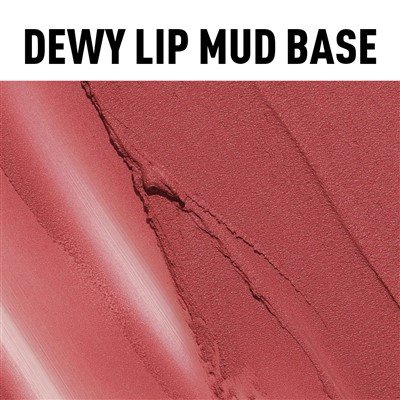
First off, let’s get the basics straight. Matte lip base isn’t just some random thick cream you slather on before lipstick. It’s a specialized cosmetic primer—specifically formulated for the lips, not the face—designed to prep the lip area so that matte lipstick adheres better, lasts longer, and doesn’t dry out your lips like a desert. Wait, hold on—yes, “matte” and “drying” used to go hand in hand, right? That was the old days. Now, a good matte lip base balances the ultra-matte finish we all love (no shine, no sheen, just that velvety flat look) with hydration that stops lips from feeling tight and cracking by 3 PM. That’s the sweet spot every brand is chasing, and that’s exactly what we specialize in.
Let’s talk about what makes matte lip base different from regular face primer, or even lip balm. Face primers are for blending, blurring pores, and keeping foundation from sliding off your T-zone. Lip balm is just moisture, often too oily to work with matte lipstick—oil breaks down matte formulas, that’s why your lipstick wears off in patches. A good matte lip base is somewhere in between: it’s lightweight, not greasy, but has a structure that grips lipstick. The key ingredients here? Let’s keep this real, no science words that make you zone out. First, silicas—they’re the stuff that absorbs excess oil and creates a matte canvas on your lips, not the crunchy kind that make your lips feel like sandpaper. Then, film-forming polymers—think of these as tiny clear films that lock everything in, so when you apply lipstick over them, it doesn’t feather or smudge. We also use humectants like hyaluronic acid or shea butter, but only in small amounts, so they keep lips soft without adding shine. That’s the magic mix, trust me.
Here’s the part that most people (even a lot of formulators) get wrong: a matte lip base isn’t one-size-fits-all. Wait, what? Yeah—lip bases for liquid matte lipstick are totally different from ones for powder-matte lipsticks, or even matte lip glosses (yes, matte gloss exists, wild right?). Liquid matte formulas are thinner, so they need a base that’s extra grippy to make them last 8+ hours. Powder-matte lipsticks are thicker, so their base needs to be a little more velvety, not too tacky, to keep the powder from looking cakey. And if you’re making matte lip tints? You need a base that doesn’t interfere with the tint’s stain, so it works with your formula instead of against it. That’s why brands come to us—we don’t just sell a random matte lip base; we customize it to fit their exact product, their price point, and their target audience.
Let’s get into why matte lip base actually matters for your end consumer, because at the end of the day, that’s what keeps customers coming back. Ever heard someone say “I can’t wear matte lipstick, it dries my lips”? 9 times out of 10, the lipstick they’re using doesn’t have a good base. If you prep lips with a hydrating matte lip base first, the lipstick glides on, doesn’t cling to dry patches, and the base locks the color in so it doesn’t transfer when you drink coffee or kiss your kid’s forehead. We did a test last year with a brand that was selling a super popular liquid matte lipstick—they came to us saying their customers were complaining about feathering and dryness. They switched to our medium-wear matte lip base, and within 3 months, their customer reviews went from 3.2 stars to 4.7. People were saying “this lipstick actually feels good, and lasts all day” instead of “it’s so dry I had to stop wearing it after an hour.” That’s the impact a good base has.
Wait, let’s bust a common myth right now: some brands think “oh, I can just make my own matte effect by adding more silicas to lipstick.” Don’t do that. Putting excess silicas directly in lipstick makes it grainy, cakey, and it will flake off by the end of the day. Matte lip base is layered—you apply it first, it creates a smooth, matte layer on the lip, then you apply lipstick over top, so the color is on top of that grip layer, not mixed with the drier, grainy ingredients. It’s like putting a grip tape on a skateboard deck—you don’t put the grip tape inside the board, you put it on top so the wheels (your lipstick) stick. That’s the simplest way to explain it, and it works every time.
Now, let’s talk about the things that make a matte lip base good vs. garbage, because as a supplier, I see garbage all the time. First, tack level—this is super important. If a base is too tacky, it will make your lipstick move around, smudge, or even peel off when it gets too warm (like in summer, or after eating). If it’s not tacky enough, it won’t grip the lipstick, so it wears off in 2 hours. The sweet spot is a light, barely noticeable tack—you can feel it, but it doesn’t transfer to your fingers when you press them to your lips. Second, transfer resistance. A good matte lip base means your lipstick doesn’t transfer onto your wine glass, your phone, or your mask. We tested our bases last summer at a trade show—we had our formulators wear a lipstick over our base for 12 hours, eating burgers, drinking soda, talking to people, and the only time it transferred was when we used a napkin to aggressively wipe our lips. That’s the level we aim for. Third, ingredient compatibility. A lot of cheap lip bases use ingredients that react with certain lipstick formulas, making the color fade unevenly or turn funky. We test every single batch of our bases with all kinds of lipstick formulas, so we can guarantee it won’t ruin your color. Fourth, skin sensitivity. Lips are super thin, way more sensitive than the skin on your face. A bad matte lip base can cause stinging, redness, or even breakouts around the lip line. All our bases are dermatologist-tested, fragrance-free, and paraben-free, so they work for even the most sensitive lips.
Let’s also touch on trends, because matte lip bases are evolving just like everything else. A few years ago, matte was flat, super matte, no shine at all. Now? “Soft matte” is huge— it has a subtle velvety finish, not that harsh, flat look that was popular a decade ago. That means matte lip bases have gotten softer too—they still grip, but they’re not as heavy or matte on their own, so when you pair them with soft matte lipstick, you get that trendy, natural look without losing the long-wear power. We’ve also seen a rise in inclusive bases—people with deeper skin tones used to have problems with matte lip bases leaving an ashy gray cast on their lips, right? So we developed our inclusive line of matte lip bases that adapt to all lip tones, so no matter your skin color, the base doesn’t change the hue of your lipstick, it just makes it last longer. That’s a big one for us—representation matters, even in lip prep products.
Wait, let’s go back to the real talk I promised. I don’t want this to sound like a sales pitch (okay, a little, but only because I know how much of a game-changer this is). If you’re a small beauty brand just starting out, or a big brand looking to refresh your line, you might be wondering why you need to work with a supplier for matte lip base instead of making it in-house. Making cosmetic formulas, especially lip products, requires testing, regulatory compliance, and access to high-quality raw materials that you can’t get just anywhere. We handle all the regulatory stuff—so you don’t have to worry about your base getting approved in the US, EU, or anywhere else you sell. We also adjust formulas to fit your budget: if you need a high-end luxury matte lip base, we have that; if you need an affordable mass-market base that still delivers great results, we can make that too. We don’t do one-size-fits-all, like I said earlier.
Now, let’s talk about who this is for, because this isn’t just for beauty brands. If you’re a esthetician who does lip treatments, a makeup artist who needs long-wearing lip color for shoots or events, or even a big box store looking to launch their own private label lip line, matte lip base is non-negotiable. Makeup artists swear by it—they’ll prep a client’s lips with a base before applying lipstick so it doesn’t feather during a 12-hour wedding or red carpet event. Estheticians use bases for their clients who want long-wearing lip color for special occasions, without damaging their lips. It’s a versatile product that has way more uses than most people realize.
Wait, let’s clear up one more thing: is matte lip base the same as lip primer? Technically, yes, but most people in the industry use “matte lip base” specifically to refer to primers designed for matte lipsticks, as opposed to primers for satin, gloss, or sheer formulas. The term “lip primer” can be too broad, so “matte lip base” is more specific, which is why it’s the term everyone uses now. That’s why you’ll hear formulators and brand owners say “we need a new matte lip base for our liquid matte line” instead of “we need a new lip primer.”
Let’s wrap this up with why you should care, and what comes next. At the end of the day, matte lip base is the backbone of any great matte lip product. Without a good base, your lipstick is just a pretty color that wears off fast, dries out lips, and leaves you frustrated. Whether you’re a beauty brand looking to improve your existing line, or a brand new entrepreneur starting from scratch, getting the right matte lip base is one of the most important decisions you can make for your lip products.
If you’re ready to talk about custom matte lip base for your brand, whether you need sample batches, formula adjustments, or just more info on how we work, reach out to us. We’re here to help you create lip products that people actually love, that last, and that don’t damage their lips. No hard sell, no pressure—just real, straight talk about what works and what doesn’t when it comes to matte lip bases.

And before I go, let’s shout out the research that made all this possible—all the studies on lip skin physiology, polymer performance, and cosmetic formulation that help us make the best matte lip bases on the market. That’s what makes this more than just a product, it’s science that translates to real results for brands and consumers alike.
Shampoo References: 1. Cosmetic Lipstick Formulation: Science and Technology, Society of Cosmetic Chemists, 2021. 2. “Lip Skin Barrier Function and Cosmetic Ingredient Interactions,” International Journal of Cosmetic Science, Vol. 42, No. 3, 2020. 3. Matte Finish Polymers for Long-Wearing Lip Products, Journal of Cosmetic Science, Vol. 71, No. 2, 2020. 4. Inclusive Cosmetic Formulations for Diverse Skin Tones, Beauty Science Review, 2022.
Guangzhou Yishengheng Cosmetic Co., Ltd.
As one of the most professional lip base manufacturers in China, we’re featured by high quality customized products. Please feel free to buy discount lip base in stock here and get pricelist from our factory. Quality products and punctual delivery are available.
Address: Room 1003, 10th Floor, Building B, Suijin Center, No. 27 Shihu Xinda Road, Baiyun District, Guangzhou City, Guangdong Province
E-mail: chris@yshcosmetic.com
WebSite: https://www.yshcosmetic.com/
