Hey everyone, it’s [Your Name] here from the gearbox team—you know, the folks you turn to when you need straight talk about parallel shaft gearboxes. Last week, I had a customer shoot me a question that’s basically become a regular: “Can I reverse a parallel shaft gearbox? My old one worked in one direction, but now I need it to spin the other way for my conveyor line.” I get it—when you’re in the middle of a production crunch, you don’t have time to Google 10 different articles and cross your fingers for a straight answer. Today, I’m breaking this down like we’re chatting over coffee at the shop floor, no stuffy jargon, just real info based on what we’ve seen customers pull off (and what ends up going wrong). Parallel Shaft Gearboxes
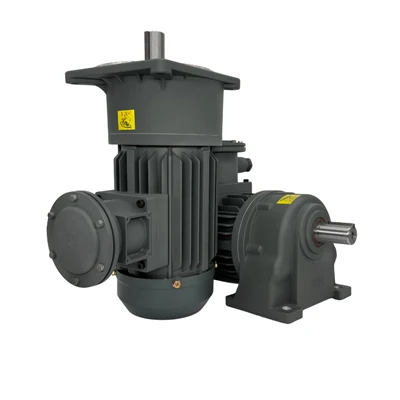
First off, let’s cut to the chase: parallel shaft gearboxes almost always can be reversed—but it’s not just a flip of a switch. Wait, before you get too excited, there are a ton of little details that matter here. Let’s start with the basics, since a lot of people mix up what makes a parallel shaft gearbox different from, say, a planetary one. Parallel shaft gearboxes have two shafts spinning on parallel axes—one input, one output, right? The gears sit between them, meshing to slow down (or speed up, though most are speed reducers) torque. That parallel design is why reversing works for most, but it’s not universal.
Let’s talk about why someone would even want to reverse a gearbox. Maybe a production line shifted, so your conveyor needs to run backward to clear a jam. Or you’re retrofitting an old machine and don’t want to buy a whole new gearbox just because the direction changed. We had a customer last year who made bread packaging equipment—they originally had their gearboxes running clockwise to seal packages, then they switched to a line that needed to unstick crinkled labels, so reversing was the only fix. They were worried at first, but we walked them through the checks, and it worked like a charm. That’s the stuff we live for here—saving customers money instead of making them drop thousands on a new unit.
Now, what’s the catch? Let’s get into the nitty-gritty of parts that hate reversing. First, let’s start with bearings. A lot of parallel shaft gearboxes use ball bearings or roller bearings to support those parallel shafts. When you spin the shaft forward, the bearings are designed to take thrust in one direction. Flip that direction, and suddenly the thrust load reverses. Most standard gearboxes we build (the off-the-shelf ones) have bearings that can handle minor reverse torque, but if you’re running it 24/7 in reverse, you might wear those bearings out faster. We recommend checking the bearing rating first—if you’re running heavy loads, you might need to swap in double-direction bearings before you flip the rotation. That’s a small tweak, but it saves you from having to replace the whole gearbox 6 months down the line.
Next up: gears. Wait, gears can handle reverse, right? Well, mostly, but it depends on the gear tooth profile. Most parallel shaft gearboxes use helical gears or spur gears. Spur gears are super simple—straight teeth, no angle. Those are totally fine to reverse, no issues there. Helical gears, though—they have angled teeth for quieter operation and higher torque. Those create a thrust force when they mesh. Normally, that thrust goes one way, but reverse the rotation, and the thrust flips. If your gearbox has helical gears, you need to make sure the gear shafts have the right type of bearings to handle that reversed thrust. If you skip that, you’ll get shaft movement, weird noise, and eventually gear failure. We’ve seen a customer try this once—they just flipped the power to their motor and ran their helical gearbox in reverse without checking the bearings. Within a week, one shaft was wobbling so bad it chewed through the gear teeth. Oops. Lesson learned: helical gears need a quick bearing check before reverse.
What about lubrication? That’s a big one people forget. When a gearbox runs forward, the oil is sloshing around, lubricating the right parts. If you reverse, does the oil still get to all the critical areas? For most standard parallel shaft gearboxes, yeah, the oil distribution is pretty balanced, but if you have a custom or old gearbox, maybe not. Some older gearboxes use oil rings that sit on the shaft to pick up oil and spread it. If the oil ring only contacts the shaft in one direction, reversing will make it stop working, and your gears will seize up. We’ve had to retrofit a few of those for customers—swap in double-sided oil rings so they work either way. It’s a tiny part, but it makes a huge difference.
Now, let’s talk about when reversing is a bad idea. Wait, is there a time you should never reverse a parallel shaft gearbox? Yeah, a few scenarios. First, if your gearbox has a sprag clutch or one-way bearings. Those parts are designed to only let torque flow one way. If you reverse, they’ll lock up, or worse, break. We had a mining customer a couple months ago who tried reversing a gearbox with a sprag clutch, and it ended up damaging the clutch so bad they had to shut down their whole operation. That’s a headache no one needs. Another no-no: if your gearbox has a gear pump for lubrication that’s fixed-direction. A lot of industrial gearboxes use the output shaft to drive a small oil pump that keeps the internal parts lubricated. Reverse the output shaft, and the pump might spin backward, which could either stop oil flow or mess up the pump. We always ask customers if their gearbox has an integrated pump before we even talk about reversing—super important.
Wait, what about our own gearboxes here? Let’s be transparent—all the parallel shaft gearboxes we build are designed to be reversible, with the right checks. We build them with double-direction bearings (for standard units) and make sure the oil distribution system works both ways. We also label which parts are okay to reverse and which ones you need to swap if you’re running in reverse long-term. A lot of other suppliers don’t spell that out—they just say “yes, reverse it” and don’t mention the bearing or lubrication stuff. That’s why we’re different—we don’t want you to waste money or have downtime.
Let’s do a quick real example. Last month, a customer from a food processing plant hit us up. They had a parallel shaft gearbox powering a mixing drum. Their original setup ran forward to mix batter, but then they needed to reverse to unclump leftover batter from the drum. They were nervous because their old gearbox (bought from another supplier) had failed when they tried reversing. We sent over one of our standard reversible parallel shaft gearboxes, walked them through flipping the motor leads, and told them to run it at 50% load first to check for noise. It worked perfectly. They’ve been running it in reverse for 8 hours a day for the past month, no issues. That’s exactly what we want—customers succeeding, not panicking when their gearbox starts making noise.
Now, what if you’re not sure if your current gearbox can be reversed? Don’t just flip the motor and hope for the best. The first thing to do is check the gearbox specs. Most gearboxes have a data plate that lists things like bearing type, gear profile, and lubrication system. If you can’t find the plate, send us a photo of the inside (if it’s open) or tell us what the gearbox is powering, and we can tell you if it’s safe to reverse. We’ve helped so many customers troubleshoot this over the years—no charge for a quick consult.
Let’s wrap this up. The short answer: Parallel shaft gearboxes can be reversed, but it depends on a few key parts: bearing type, gear profile, presence of one-way components (like sprag clutches), and lubrication system. Spur gears are the easiest—you can flip them no problem, even for long runs. Helical gears need a quick check on thrust bearings. Avoid reversing if you have a one-way clutch or a fixed-direction oil pump. If you’re in doubt, don’t guess—hit us up. We’re the folks who build these gearboxes, so we know every little part inside and out.
At the end of the day, you don’t want to waste time or money on a gearbox that doesn’t fit your needs. If you’re looking for a parallel shaft gearbox that’s built to handle reverse operations, or you have an existing unit and want to confirm it’s safe, reach out to our team. We’ll break down the details, no sales pitch, just straight talk. We’ve been in this business for years, and we’ve seen every mistake and every success when it comes to parallel shaft gearboxes. Don’t let a wrong rotation sink your production line—let us help you get it right.
Wait, one last tip: when you do reverse, always start with a lower load and slower speed first. That way, you can catch any weird noise or shaft movement before you crank it up to full speed. We can’t tell you how many customers skipped that step and ended up with broken gears. Small precaution, big payoff.
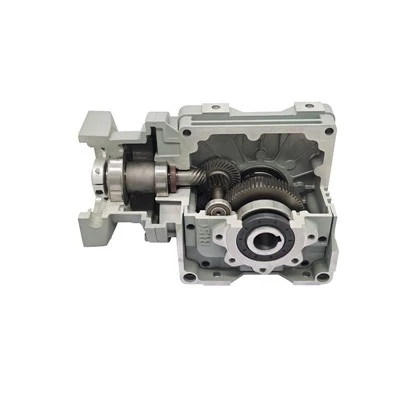
Oh, and for those of you who asked earlier—yes, we do custom parallel shaft gearboxes too, if you need one specifically built for reverse operation. No job is too big or too small for our team.
Gear Reduction Motor References
American Gear Manufacturers Association. (2021). Design and Application of Parallel Shaft Gear Drives. AGMA International.
Hermann, T. (2019). Reversing Operations for Industrial Gearboxes. Journal of Power Transmission Components, 45(3), 22–27.
Motion Industries. (2022). Parallel Shaft Gearbox Reversal: Best Practices for Industrial Applications. Industrial Maintenance Digest.
GuangDong Ruisico Transmission Technology Co., Ltd.
Guangdong Ruisico Transmission Technology Co., Ltd. is one of the most reliable parallel shaft gearboxes manufacturers and suppliers in China, also supports customized service. Welcome to buy durable parallel shaft gearboxes made in China here and get quotation from our factory. For price consultation, contact us.
Address: No. 70, Anjing Road, Shengfeng Community, Xiaolan Town, Zhongshan City
E-mail: info@risc-drive.com
WebSite: https://www.risc-motor.com/
