If you’ve ever rented or worked on a construction site, you’ve definitely seen an articulated boom lift. Those flexible, rotating arms that let you reach those hard-to-get spots—like over a building’s edge or up a power line—are game-changers for finishing jobs fast. But here’s the thing that catches a lot of new operators (or even some seasoned ones) off guard: that little sticker on the basket rail that says “load rating” isn’t just a suggestion. It’s the most important number on the whole machine. As a lift supplier who’s been in this game for over a decade, I’ve seen firsthand what happens when someone ignores that number, and I’m here to break down exactly what that load rating means, how it’s calculated, and why you should never, ever guess. Articulated Boom Lift
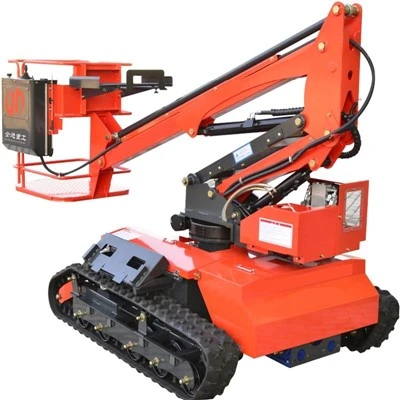
First, let’s get rid of the confusion: that load rating on the basket isn’t just the total weight of people and tools you can cram in there. Wait, actually, it kind of is, but with a bunch of fine print no one reads. Let’s start with the basics: every articulated boom lift (whether it’s a 40-foot or 120-foot model) has two key load ratings—one for the basket (also called the platform) and one for the entire lift chassis. The basket load rating is the maximum weight allowed inside that small cage, and it’s not pulled out of thin air. It’s tested and set by the manufacturer, and you can’t change it without hacking the machine (which is not only dangerous, it’s illegal in almost every country).
Here’s where most people mess up: they add up the weight of two guys (say, 200 lbs each) plus a 50 lb tool bag, a 30 lb air compressor, and a 10 lb extension cord, and end up at 490 lbs—but wait, that’s not the total. Oh, no. You have to account for the basket itself, too! Most standard articulated boom lift baskets weigh between 100 and 200 lbs. So if the sticker says 500 lbs, that means your people, tools, and anything else you’re bringing in there can’t add up to more than 500 minus the basket weight. That means in that example above, you’d only have 300 lbs left for your crew and gear. That’s a rookie mistake that leads to overloading, and overloading makes the lift tip. Period.
Now, let’s talk about why that rating is so specific to the basket, not just the whole lift. The basket is the end of the boom, right? All the weight at the very tip puts way more stress on the smaller arm segments than the main chassis. When the lift extends outward, it acts like a seesaw—too much weight at the end, and the whole thing can tip backward or even fold the arm. The manufacturer does a ton of testing to get that number right: they simulate different extension lengths, different angles, different wind speeds (another thing no one thinks about!), and even how the load is distributed inside the basket. A heavy tool bag sitting on one edge of the basket is way worse than spreading the weight evenly across the whole platform. That’s why some newer lifts even have load sensors that beep or shut down if you get too close to the limit—they’re not being mean, they’re saving your life.
Wait, let’s bust a common myth: “If I’m only going 20 feet high, I can bring more stuff.” No. That’s not how it works. The load rating for the basket is the same no matter how high you extend the boom. Because the stress on the basket and the arm changes with height and extension, but the basket’s load rating is calibrated for the worst-case scenario—full extension, maximum reach, whatever the lift is rated for. So even if you’re only 10 feet off the ground, cramming too much weight in there is still a huge risk. I’ve had a customer tell me, “We do this all the time, no problem,” and then a month later, their machine tipped over because they tried to fit three guys and a welder into a basket rated for two. Don’t be that guy.
Another thing: different types of loads change the effective rating, too. If you’re bringing wet materials—like buckets of concrete or paint—they slosh around as you move the lift, which shifts the weight and makes it unbalanced. That sloshing can add extra stress that the manufacturer didn’t account for in the static load test. Or if you’re using a long tool, like a 10-foot paint roller extension, that sticks out over the edge of the basket. Even if the tool itself is light, the moment arm (how far it sticks out from the basket) means it adds more force than a weight sitting directly on the platform. So if you’re using long tools, you might need to knock a few pounds off your total load to stay safe.
Now, let’s get into the actual technical side, but keep it simple—no engineering jargon, promise. The load rating is set using something called a safety factor, which is usually 4:1 for aerial lifts. That means if the basket is rated for 500 lbs, the manufacturer tests it to hold 2,000 lbs before it fails. That safety factor is there for a reason: it accounts for human error, unexpected wind, worn parts, and even things like the basket being a little older and less rigid than it was when it left the factory. But that safety factor doesn’t mean you can stack 2,000 lbs in there—it just means the rating has a buffer, not a blank check.
Here’s a tip from the pros (that we teach every operator who rents from us): check the rating sticker every single time you get in a lift. Don’t assume all 60-foot booms have the same basket load. Some compact booms have a 500 lb rating, while larger industrial models might have 1,000 lbs, and some specialty booms for moving heavy materials have even higher. The sticker is usually on the inside of the basket rail, so you have to lean in to see it—don’t skip that step. And if you’re unsure, write it down before you start loading. It’s way easier to plan your crew and tools around a 500 lb limit than to have to cut stuff out halfway up.
What about when you’re working in wind? Most load ratings are only valid for wind speeds under 28 mph (45 km/h), which is the OSHA standard for aerial lifts. If it’s windier than that, you have to reduce your load by at least 20%, and sometimes even stop work entirely. Wind pushes against the basket and anything sticking out, so a light load on a windy day can act like a much heavier one. I remember a job last spring where a team tried to work in 35 mph wind with a full load, and the lift swayed so bad they had to be rescued by the fire department. That could’ve been avoided if they’d knocked 100 lbs off their load and waited for the wind to die down.
Now, as an articulated boom lift supplier, we get a lot of questions from contractors: “Can I upgrade the basket load rating on my machine?” The short answer is no, you shouldn’t, and you can’t legally. The entire lift’s structural components—boom, chassis, axles—are engineered to match the basket rating. If you put a higher load in the basket, you’re putting way more stress on parts that aren’t built for it, which can lead to sudden failure, even at lower heights. The only time you should adjust the load is if you’re using accessories that add weight, like a material basket attachment. Some lifts let you swap out the standard work basket for a heavy-duty material basket, which has a different (higher) load rating—but that’s a factory-approved modification, not something you do on your own.
Wait, let’s talk about overloading scenarios I’ve actually seen. Last year, a small construction company rented two 40-foot booms from us for a siding job. They showed up with three guys, each with a tool belt, and a 70 lb nail gun, and they tried to put all three in one basket. The rating on that basket was 500 lbs, so adding up three guys (180 each) plus tools was 610 lbs—way over. Our operator on site stopped them before they got in, and they were annoyed at first, but when we explained the tip risk, they moved one guy to the other lift and finished the job without issues. That could’ve ended badly: if the boom had tipped, not only would they have gotten hurt, but the machine would’ve been damaged, and they’d have had to pay for repairs, not to mention the downtime.
So what’s the takeaway here? The articulated boom lift basket’s load rating isn’t a random number—it’s a calculated, tested limit that keeps operators, crews, and equipment safe. It accounts for weight distribution, wind, height, and all the moving parts of the boom system. Don’t guess, don’t assume, don’t add extra weight “just this once.” Every time you step into that basket, check the sticker, count your load, and make sure you’re under the limit.
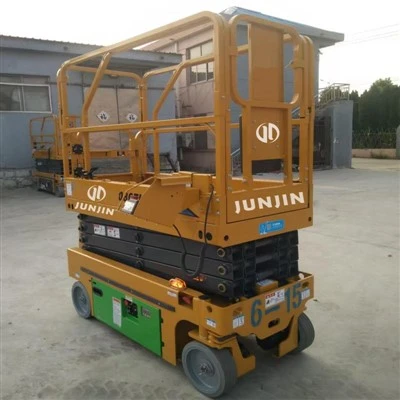
If you’re planning a job and need the right lift for your project, whether it’s a small residential siding job or a large commercial construction site, we’ve got a range of articulated boom lifts with different load ratings to fit your needs. Our team can help you pick the right size, and we’ll go over all the safety rules, including load rating limits, to make sure your job runs smoothly and safely. Don’t risk it—reach out to us to discuss your requirements today.
Truck Mounted Aerial Work Platform References
- Occupational Safety and Health Administration (OSHA). 29 CFR 1926 Subpart L: Aerial Lifts. U.S. Department of Labor, 2022.
- American National Standards Institute (ANSI). ANSI/SIA A92.20: American National Standard for Vehicle-Mounted Elevating and Rotating Aerial Devices. Association of Equipment Manufacturers, 2021.
- JLG Industries, Inc. Articulated Boom Lift Operator Manuals: Load Rating and Safety Guidelines. JLG Industries, 2023.
- Genie Industries. Aerial Lift Load Capacity: What Every Operator Should Know. Terex Corporation, 2022.
Yantai Quanrui International Trading Co., Ltd.
As one of the most reliable articulated boom lift manufacturers and suppliers in China, we’re featured by high quality customized products. Please rest assured to buy discount articulated boom lift made in China here from our factory. Contact us for pricelist and quotation.
Address: No. 278, Sanya Road, Gaotuan Town, Fushan District, Yantai City, Shandong Province, China
E-mail: Info@quanjin1588.com
WebSite: https://www.qr1588.com/
