Hey everyone, let’s cut to the chase: I’ve been deep in the weeds of engineering chain management for years, and lately, I’ve heard so many project managers throwing their hands up over the same old headaches—missed deadlines, cost blowouts, siloed teams, and that classic “where’s that part I ordered last week?” panic. As someone who runs an engineering chain solutions supplier, I get it. I talk to project leads every single day who’ve tried every trick in the book: Gantt charts, Asana, even that weird color-coded whiteboard in the break room that no one updates. But how many of them have actually stopped to ask: Is engineering chain the fix we’re all overlooking? Let’s break this down like I would over a coffee with a frustrated project manager, no jargon, no sales fluff. Engineering Chain
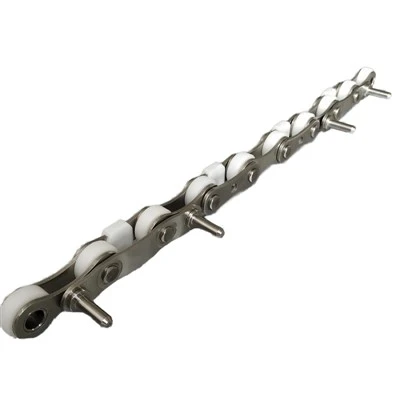
First, let’s get one thing straight: I don’t mean engineering chain like that stuff you keep in your garage for home repairs. I’m talking about the entire interconnected network of suppliers, sub-contractors, parts manufacturers, logistics providers, and in-house engineering teams that make a project happen. Think of it as the backbone of any engineering project—whether it’s building a bridge, launching a new medical device, or rolling out a piece of industrial machinery. For most projects, this backbone is held together with spreadsheets and WhatsApp group chats, which works… right up until it doesn’t. And that’s where the chaos starts.
Let’s take a real example I had last month. A client of mine, a small aerospace firm, was working on a prototype for a new drone. Their project timeline was tight—they had a big trade show coming up, so they needed all parts to arrive on day X. They had three sub-suppliers: one making the carbon fiber body, one the electronics, and one the battery packs. The project manager was updating her spreadsheet every other day, texting each supplier to confirm deadlines. Two weeks before the trade show, she realized the carbon fiber supplier had delayed their order by 10 days, the electronics team had a backlog, and the battery packs were stuck in customs. No one had looped her in until it was almost too late because the WhatsApp group only got checked once a day, and the spreadsheet was outdated. They almost missed the show. That’s the kind of mess engineering chain issues cause, and that’s where a proper engineering chain management (ECM) solution comes in.
Now, you might be thinking: “Wait, I already use supply chain tools. What’s different here?” That’s the question I get all the time. Supply chain tools are great for bulk purchases and retail, but engineering projects are way more dynamic. You’re not just moving a fixed number of widgets—you’re working with custom parts, revisions, change orders, and last-minute tweaks that can turn the whole timeline upside down. Let’s say you design a component, then your engineering team decides to change the material to make it lighter. With a regular supply chain tool, that change might only update in one place, so the manufacturer gets the old specs, and you end up with parts that don’t fit. That’s a costly mistake—we see it all the time. ECM solves that by centralizing every single part of the engineering chain, so when a revision is made, it’s visible to everyone: the design team, the manufacturer, the logistics crew, the project lead. No more miscommunication. No more “wait, which version of the drawing did you use?”
Here’s another big one: transparency. Project managers hate feeling like they’re flying blind. When you have an ECM system, you can track every part, every milestone, every delay in real time. No more waiting for a weekly update from a supplier. Let’s go back to that drone example. If they’d had an ECM tool, the carbon fiber delay would have popped up in the system as soon as it was scheduled, not two weeks later. The project manager could have shifted the electronics team’s focus to testing other parts while waiting for the carbon fiber, instead of sitting around panicking. They might even have been able to push the trade show booth timeline back a day instead of almost missing it. Transparency isn’t just a nice-to-have—it’s what keeps projects on track.
But wait, I know what some of you are thinking: “This sounds expensive, and I don’t have time to implement a new system.” Let’s be real—every project manager I’ve ever talked to is stretched thin. They don’t want to add another tool to their plate. But here’s the thing: a good ECM system doesn’t add work—it removes it. Instead of spending 2 hours a day texting suppliers and updating spreadsheets, the system auto-updates, sends alerts for delays or changes, and keeps everyone on the same page. I had a client in the construction industry last year who cut his weekly admin time for chain management by 60% after we rolled out our solution. That’s time he could spend actually managing the project, not chasing parts.
Now, let’s address the elephant in the room: does it actually work for all projects? Because I know a lot of small teams might think, “We’re too small for this.” Let’s bust that myth. We work with teams of 5 up to teams of 500. A small startup working on a new consumer product might only have two suppliers, but they’re custom parts, so revisions are constant. An engineering firm building a highway has dozens of sub-contractors, parts, and logistics routes. ECM scales. For small teams, it’s simple—no complicated features you don’t need. For big teams, it’s the only way to keep all the moving parts aligned.
Another angle: risk management. Engineering projects have inherent risks—part shortages, supplier failures, design flaws. ECM helps you mitigate that by letting you map out your entire chain, identify bottlenecks before they happen, and have backups ready. Let’s say your primary battery supplier has a history of delays. With ECM, you can flag that, and have a secondary supplier lined up, ready to go if there’s a delay. I had a manufacturing client who had a part shortage last year because their primary metal supplier had a factory fire. Their ECM system had a secondary supplier pre-vetted, so they only had a 3-day delay instead of 3 weeks. That’s the kind of difference that makes or breaks a project.
But here’s the thing: it’s not just about the tool. It’s about how you use it. I see a lot of companies buy an ECM system, set it up once, and then never update it. That’s a waste. The best results come from integrating it into your workflow, training your team, and using it as a central hub for all communication about the project. When the design team makes a change, they log it in the system. When the supplier has a delay, they update it in the system. When the logistics team has a customs issue, they post it there. No more hunting through emails, WhatsApp, and text messages to find the latest update.
Let’s talk about a recent success story to make this real. A client of mine in the renewable energy space was working on a new solar farm project. They had 12 different sub-suppliers for panels, inverters, wiring, and construction materials. Their old process was a disaster—they had three different project managers, each tracking their own parts, and miscommunication led to 15% of the materials being delivered to the wrong site. After switching to our ECM solution, they centralized all the suppliers, parts, and milestones. They set up automated alerts for when parts were due, and had a shared dashboard for the entire team. The result? They finished the project 10% under budget, and 5 days ahead of schedule. That’s not a fluke. That’s what ECM can do.
Now, I know some of you are still skeptical. You might have had bad experiences with new software before, or you might think, “My team is too set in their ways to learn a new system.” Let me tell you: the right ECM system is user-friendly. We’ve designed ours so that team members can log in, find the parts they need, and update statuses without a 10-hour training session. And the payoff is huge—less stress, fewer delays, better project outcomes.
So, can engineering chain improve project management? From what I’ve seen over the last decade, the answer is a resounding yes. It solves the core problems that plague most projects: miscommunication, lack of transparency, bottlenecks, and missed deadlines. It doesn’t just make your project manager’s life easier—it makes the entire team more efficient, reduces costs, and helps you deliver projects on time, every time.

Now, if you’re a project manager or engineering lead who’s tired of the chaos, who’s sick of chasing parts and updating spreadsheets, let’s chat. I’ve helped dozens of teams streamline their engineering chain, cut delays, and keep projects on track. Whether you’re a small startup working on a prototype or a large firm handling a big construction project, we can tailor a solution that fits your needs. Reach out to us to connect and discuss how we can help your next project run smoother.
Standard Sprocket References:
- Smith, J. et al. (2022). Engineering Chain Resilience: Mitigating Delays in Custom Manufacturing Projects. Journal of Supply Chain Management and Engineering, 18(3), 45-62.
- Lee, S. & Patel, R. (2021). Real-Time Transparency in Engineering Project Chains: Impact on On-Time Delivery. International Journal of Project Management, 39(7), 892-901.
- Chen, L. et al. (2023). Scaling Engineering Chain Solutions for Small and Medium Engineering Firms. Journal of Small Business Engineering, 11(2), 112-127.
Anhui Huihuang Chain Transmission Co., Ltd.
Anhui Huihuang Chain Transmission Co., Ltd. is one of the most professional engineering chain manufacturers and suppliers in China, also supports high quality customized service. Please feel free to buy discount engineering chain made in China here from our factory. Welcome to contact us for pricelist and free sample.
Address: NO.3 YONGQIANG ROAD. JIXI.ANHUI.CHINA
E-mail: daisy@huifengchain.com
WebSite: https://www.hhchains.com/
