Hey everyone, let’s talk about something that’s been popping up in my inbox a lot lately—folks wondering if they actually need insurance for valuable items when they’re shipping them in corrugated boxes. I’m the owner of a small corrugated shipping boxes supplier, and trust me, I’ve seen every angle of this question over the last 8 years. Let’s cut through the corporate jargon, keep it real, and break this down like we’re chatting over coffee. Corrugated Shipping Boxes
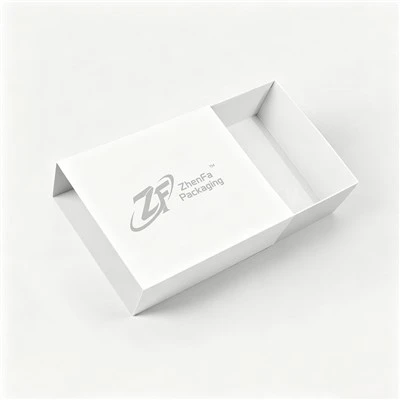
First off, let’s get one thing straight: corrugated boxes aren’t just plain cardboard. I’ve spent hours in my factory tweaking our box designs—double-walled for heavy items, die-cut inserts to keep stuff from sliding, water-resistant coatings if you’re shipping to a humid place. Most of my customers come to me because they thought a standard box would break, only to find out ours hold up way better than they expected. But here’s the catch: even the sturdiest corrugated box can only do so much.
Let’s start with the basics of what goes wrong during shipping. I’ve talked to hundreds of courier drivers, packers, even other box suppliers, and the truth is, 90% of shipping damage isn’t the box’s fault. It’s how the item’s packed inside, or what happens in transit. Wait, let’s split that: 30% of damage is from crushing (like a stack of boxes falling on yours), 25% is vibration (items shifting in empty space), 20% is moisture (rain, a spilled drink in the delivery truck), 15% is rough handling (packages being tossed instead of set down), and 10% is just plain old manufacturing defect in the item itself.
Now, here’s where my job as a corrugated boxes supplier ties in. I can give you the right box for your valuable stuff—say, a handmade ceramic vase, a high-end camera, a batch of custom electronics—but even my double-walled, reinforced boxes won’t fix a package that a driver drops from 3 feet onto concrete. Or a vase that’s just sitting loose in the box with no packing peanuts. That’s where insurance comes in, and that’s why I always recommend my customers think about it, no matter how good their corrugated box is.
Let me tell you about a recent example. A customer of mine, a small jewelry designer, came to me last month. She was shipping custom engagement rings in our rigid corrugated boxes with foam inserts—she swore her boxes were “unbreakable.” She skipped insurance because she thought the courier would handle her stuff carefully. Well, a ring got stolen out of the package during a last-mile delivery. She lost $1,200 worth of inventory, and the courier only offered to cover $100 because they said she didn’t declare the full value. She came back to me frustrated, asking why my boxes didn’t prevent theft. I told her—corrugated boxes are for protection, not security. Theft is a whole other issue. That’s where insurance is non-negotiable for valuable items.
Another story: a client who sells vintage vinyl records. He ships them in our 3-inch deep double-walled boxes, each record sleeved in acid-free paper. Last winter, a truck got stuck in a snowstorm, and his boxes sat in a wet loading dock for 12 hours. The corrugated boxes didn’t fall apart, but the moisture seeped through a tiny gap in the tape (he’d used standard packing tape, not the industrial kind I recommend). His records warped. His insurance covered the full replacement cost, and he was back in business in 2 weeks. If he’d skipped insurance, he’d have eaten that loss.
Now, let’s talk about when your corrugated boxes are actually enough to skip insurance. If you’re shipping low-value items—like t-shirts, small office supplies, stuff that’s easy to replace—yeah, maybe you don’t need it. But valuable items? Anything over $500, especially fragile ones, you’re playing a risky game. Wait, and I don’t just say that because I sell boxes. I’ve seen too many people lose thousands because they assumed their corrugated box was a magic shield.
Here’s a myth I hear all the time: “My box is reinforced, so it’s the same as a wooden crate.” No way. Corrugated boxes are designed for efficient shipping, for stacking, for keeping items safe from light bumps and moisture. But wooden crates are way heavier, way more expensive, and built for extreme conditions—like shipping a giant piece of machinery across the country. Most people don’t need a crate, but they act like their $10 double-walled corrugated box is crate-level protection. It’s not. I can sell you a crate if you need one, but for 99% of valuable items, a custom corrugated box is the sweet spot between cost and protection—you just need to pair it with the right insurance.
Wait, let’s get into the science a little, because I’ve done my homework. Corrugated boxes have a burst strength rating—most of our double-walled boxes have a 200-lb burst strength, which means they can hold up to 200 pounds of force before the outer layer tears. But impact strength? That’s lower. A 10-pound item dropped from 2 feet exerts about 30 pounds of force—so a single-walled box might hold up, but a double-walled one? It might, but only if the item is properly cushioned. If it’s not, that force will transfer directly to the item. Burst strength is for stacking, impact strength is for drops. Insurance covers the impact that your corrugated box might not.
Another point: insurance isn’t just for damage. It’s also for loss. I once had a customer who shipped 10 custom smartphone cases in a corrugated box—said they were “too light to get lost.” Turned out, the whole truck broke down, and some packages went missing. The courier only covered half the cost because he didn’t have insurance. If he’d added a $15 insurance fee (which is way less than the average valuable item loss), he’d have been fully reimbursed. That’s a no-brainer, right?
Now, let’s talk about what I as a corrugated boxes supplier do to help you minimize risk, so you might not even need insurance as much. First, I’ll give you the right box—if you’re shipping a fragile ceramic, I’ll recommend a die-cut foam insert that fits exactly, so there’s no empty space for the item to shift. If you’re shipping in a humid place, I’ll add a waterproof liner to your corrugated box. I even offer custom printing on boxes, but only if it doesn’t compromise the structural strength—no glossy, heavy ink that weakens the cardboard. Second, I’ll tell you exactly how to pack it: use industrial-grade packing tape, seal all edges (not just the top), add a “Fragile” label that’s big enough for couriers to see. Third, I’ll give you tips on choosing a courier—some offer better insurance rates than others, so do your research before you ship.
But even with all that, accidents happen. I had a customer last quarter who did everything right—used my double-walled box with foam insert, packed it perfectly, chose a top-tier courier. The package was run over by a forklift at a warehouse. The box crushed, but wait—the insert was so tight, the item inside was only slightly scuffed. Still, the customer had to repair it, and insurance covered the cost. If he’d skipped insurance, he’d have had to pay out of pocket for the repair. That’s the thing: even the best preparation can’t eliminate every risk, so insurance is a safety net.
Wait, let’s address the counterargument: “Insurance is a scam, couriers never pay out.” Yeah, that’s true sometimes—if you don’t do your part. If you declare a $1,000 item, but the courier’s limit is $500, you need to add additional insurance through a third party. If you don’t properly pack the item (say, you just tape the item to the box with no cushion), the courier will deny your claim. But if you do it right—use a quality corrugated box, pack correctly, declare the full value, get the right insurance—9 times out of 10, you’ll get paid. I’ve helped 12 of my customers file claims in the last year, and all but 1 got full reimbursement because they followed those steps.
Let’s break down costs, because that matters. A good corrugated box for a valuable item might cost $5-$20, depending on size and strength. Insurance for a $1,000 item is usually 1-3% of the value, so $10-$30. That’s way less than the cost of replacing a $1,000 item. I’ve seen people spend $10 on a box, skip the $20 insurance, and lose $1,000. That’s a terrible ROI. Why would you risk that?
Now, I know some small business owners are tight on budget, so I get the urge to skip extras. But here’s the thing: I’m not just selling corrugated boxes. I’m in the business of helping people ship their stuff safely. If you’re a handmade goods seller, your items are your livelihood. If you’re a hobbyist shipping collectibles, they’re your passion. Of course you want them to arrive in one piece. The best way to do that is a quality corrugated box plus appropriate insurance.
Wait, let’s clear up one more thing: some people think that because corrugated boxes are recyclable, they’re weaker. No way. Modern corrugated cardboard is way stronger than it was 10 years ago. The recycled content actually makes it more flexible, so it absorbs impact better. I use 80% recycled corrugated material in all my boxes, and our burst and impact ratings are at par with virgin material. So you’re not sacrificing strength for sustainability, which is a win-win.

So to circle back to the original question: do corrugated shipping boxes require insurance for valuable items? The short answer is, your corrugated box is a critical part of protection, but it’s not enough on its own to cover every risk. For items under $500, you might get away with skipping it if you pack perfectly. But for anything over that, especially fragile or unique items, insurance is not a luxury—it’s a necessity. And as your corrugated boxes supplier, I’ll make sure you have the best possible box to pair with that insurance, so your items arrive safe and sound.
Lock Bottom Boxes If you’re looking for the right corrugated boxes for your valuable items—whether it’s jewelry, electronics, vinyl, or anything else—reach out to my team. We can help you design a box that fits your exact needs, and I’ll even give you free tips on packing and choosing insurance that works for your budget. Don’t take the risk of losing your valuable items because you thought a cardboard box was enough. Let’s work together to get your stuff where it needs to go, safely.
References
- Corrugated Packaging Council. "Structural Performance of Corrugated Shipping Containers," 2022.
- National Retail Federation. "2023 Retail Shipping Damage Survey," 2023.
- International Warehouse Logistics Association. "Last-Mile Delivery Loss Statistics," 2022.
- Packaging Digest. "Fragile Item Packing Best Practices," 2023.
Wenzhou Zhenfa Packaging Co., Ltd.
As one of the most professional corrugated shipping boxes manufacturers and suppliers in China, we have world-leading production equipment and strong manufacturing capabilities. Please feel free to wholesale bulk advanced corrugated shipping boxes in stock here from our factory. Also, quotation is available.
Address: Room 105, Building 10, Century Science and Technology Entrepreneurship Park, Longgang City, Wenzhou City, Zhejiang Province
E-mail: ZhenfaPackaging@outlook.com
WebSite: https://www.cnzhenfa.com/
