If you’ve ever picked up a well-balanced shovel, trowel, or rake in your garden, you’ve probably held a tool whose handle started its life the same way I’ve seen dozens of ours do: as a rough log slab, heading into one of the wood handle machines I’ve supplied to backyard hobbyists, small garden centers, and large landscape supply companies alike. For years, the question I get most often isn’t about whether these machines can turn wood into tool handles—it’s about whether they can do it well enough, consistently, and for the volume that matters to gardening operations. As someone who’s worked with these machines for over a decade (first as a technician troubleshooting them, then as a supplier getting them into the hands of people who actually need them for their daily work), the short answer is yes—but it’s not just about pushing a log through a machine. It’s about matching the right machine to the needs of gardening, understanding the unique demands that garden tool handles face, and knowing how to make the process work without wasting material or time. Wood Handle Machine
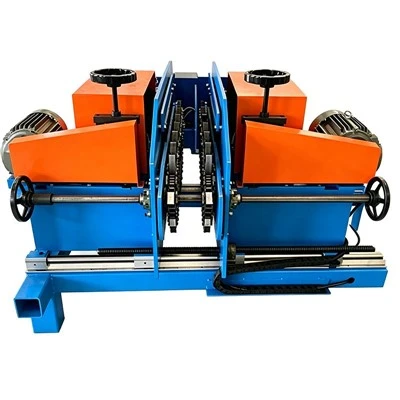
Let’s start with what a wood handle machine actually does, because a lot of people outside the industry picture something like a generic wood router or a basic lathe, and that’s not accurate. A purpose-built wood handle machine (the kind we supply, not the cheap knockoff you might find at a hardware store) is a specialized tool that mills a rough, tapered wood blank into a smooth, ergonomically shaped handle—exactly the kind that grips comfortably for hours while digging, planting, or raking. Unlike generic woodworking equipment, it’s calibrated to cut the specific tapers needed: wider at the base where it meets the tool head, narrower at the grip end, with subtle contours that fit a human hand without causing blisters or strain. For gardening, that’s non-negotiable. A flimsy, ill-fitting handle not only makes the work harder but can also lead to repetitive stress injuries, which is a big deal for gardeners who spend 10 hours a day bending and lifting.
Now, why is this especially relevant for gardening tools, as opposed to, say, ax handles or sledgehammer handles? Gardening puts unique wear on tool handles that other tools don’t. Think about a trowel handle: it’s small, compact, and used for digging in hard soil, so it needs to be strong enough to withstand impact without snapping. A shovel handle has to take the force of pushing through clay or scooping mulch, often with wet, muddy hands that require a secure grip. Even a rake handle has to flex a little when pulling through leaves or pulling weeds, rather than being rigid like a framing hammer handle. That means the wood a garden handle machine works with is different, too. Most gardening tool handles are made from hickory, ash, or oak—hardwoods that have a tight grain, are resistant to splitting, and can handle regular impacts without splintering. A good wood handle machine knows how to mill these types of wood without tearing the grain, which would weaken the handle and make it more likely to break.
I’ve seen customers come to us convinced that any wood handle machine will work for their gardening needs, and then leave frustrated when they try to scale up. For example, a small community garden might start with a single machine to make their own trowel handles for volunteers, but they soon realize that a machine designed for small, low-volume blanks isn’t going to work for a landscape company that needs 500 shovel handles a month. Let’s break down the different machine types we supply, because that’s where the real science comes in. We have three main categories, each suited to a different gardening operation: the bench-top machine for hobbyists and small gardens, the semi-automatic for medium-sized garden centers, and the automatic production machine for large landscape suppliers.
The bench-top wood handle machine is perfect for someone who’s making 10 to 20 handles a week, like a home gardener with a side business making custom trowels. It’s compact, easy to set up, and doesn’t require a lot of space—great for a small garage or workshop. But here’s the catch: it’s manual, so you have to feed each blank into the machine, adjust the settings, and trim the excess wood. That means it’s slower, and the consistency of the handle depends on how well the operator adjusts the settings each time. For a home gardener making a few trowel handles, that’s fine; but if you’re trying to make 100 rake handles a week, the slight variations in taper or smoothness from one handle to the next will make them hard to sell or distribute. I’ve had a customer in Oregon tell me that they started with a bench-top machine to make handles for their community garden, and it worked for the first few months—but when they added a 10-bed vegetable plot, they needed more handles and switched to a semi-automatic machine because the bench-top couldn’t keep up without them working 12 hours a day.
The semi-automatic wood handle machine is where most medium-sized gardening operations find their sweet spot. These machines have automated feeding systems that let you load a stack of blanks, and the machine does the rest: it mills the taper, shapes the grip, and sands the handle to a smooth finish. The key here is that the settings are calibrated once, and every handle comes out the same—no variation in the taper, no rough spots that would lead to blisters. For a garden center that stocks its own line of tools, or a landscape company that needs consistent handles for its crews, this is a game-changer. I worked with a nursery in Pennsylvania a couple of years ago that used to buy pre-made handles from a supplier, but they were tired of waiting for deliveries and paying extra for shipping. They invested in a semi-automatic machine, and now they make all their own shovel, trowel, and rake handles right on-site. They told me that not only have they cut their handle costs by 30%, but their customer satisfaction went up too—because the handles are more comfortable than the pre-made ones they were buying.
Then there’s the automatic production wood handle machine, which is for large operations that need hundreds or thousands of handles a month. These machines can process multiple blanks at once, have self-adjusting settings, and can even finish the handles with a protective sealant to prevent water damage (important for gardening tools that are often left outside in the rain). The science here is more complex: these machines use computer-aided design (CAD) to program the exact shape and taper of the handle, so every single one is identical. That’s critical for big landscape companies that issue tools to their crews—if a handle is inconsistent, a crew member might grab the wrong one, leading to awkward grip and possible injury. I supply these machines to a large national gardening supply chain, and they tell me that since they switched to automatic machines, their handle waste has gone down by 15% because the machines are so precise—no over-cutting or wasted wood from poorly adjusted settings.
But here’s the part that most people don’t talk about: it’s not just the machine. The quality of the final gardening handle depends as much on the machine’s calibration, the type of wood you use, and the operator’s knowledge as it does on the machine itself. Let’s talk about wood for a minute. A lot of gardeners might think that any hardwood will work, but not all hardwood is created equal. Hickory, for example, is denser than ash, so it’s better for handles that take a lot of impact, like shovels. Ash is slightly more flexible, which makes it good for rakes or hoes that need to bend a little without breaking. Oak is more affordable, so it’s often used for trowel handles that don’t take as much impact. A good wood handle machine will have adjustable blades and settings to accommodate different wood densities—if you try to mill a dense hickory with a machine calibrated for ash, you’ll get a rough, uneven handle that’s likely to split.
I’ve seen mistakes happen when customers skip this step. A small garden supply business in Texas once bought a wood handle machine without asking about calibration, and they used it to mill hickory for trowel handles. The machine’s blades were too sharp, and they cut too much wood from the grip end, making the handle too thin and weak. Within a month, 20% of their trowel handles had split. They came to me looking for help, and all we had to do was adjust the blade depth and slow down the feed rate—simple fixes, but ones they didn’t know to look for because they didn’t understand how the machine works with different woods. That’s the value of working with a supplier who knows gardening tools, not just wood handle machines. We don’t just sell you a machine; we teach you how to use it for the specific needs of gardening.
Another common question I get is about waste. When you’re milling handles, some wood is going to be wasted—offcuts, sanding dust, wood that’s not cut to the right size. But a good wood handle machine minimizes that waste, which is a big deal for both cost and sustainability. Gardening is a industry that prides itself on being eco-friendly, so reducing waste is a big priority. The automatic machines we supply have a system that recycles sawdust and wood chips, which can be used for mulch or compost—so even the waste from making handles goes back into the garden. The semi-automatic machines also have precise cutting, so you only cut off the excess, not too much. I had a customer in Vermont who started using a bench-top machine and had a 40% waste rate; after switching to a semi-automatic machine, their waste dropped to 10%. That’s a huge difference in cost, and it’s better for the environment too.
Let’s also address the myth that making your own handles is too expensive for small operations. A lot of hobbyists think that buying a pre-made handle is cheaper than investing in a machine, but when you do the math, it adds up. Pre-made handles are often transported from factories overseas, so you’re paying for shipping, markup, and middlemen. If you’re making 50 handles a month, the cost of a machine will pay for itself in 6 to 12 months, depending on how much you were paying for pre-made ones. And if you’re a small business that sells tools, having your own custom handles is a big selling point—customers love supporting local operations, and a custom handle that fits better than the generic ones at the hardware store will keep them coming back.
I’ve seen this firsthand with a craft gardening business in Maine. They make handmade trowels and small shovels, and they used to buy pre-made handles for $3 each. They bought a semi-automatic wood handle machine for $1,800, and now they make their own handles for 50 cents each. They sell their tools for $25 each, and they tell me that customers specifically ask about the handles—they say they’re more comfortable than any other tool they’ve used. The machine paid for itself in 8 months, and now they’re even making extra handles to sell to other small garden businesses. That’s the kind of success I love to see, and it’s exactly why I started supplying these machines: to help gardeners take control of their tools, reduce costs, and make better products.
Of course, no machine is perfect, and there are limitations. If you’re making very small handles, like those for herb trowels, a standard wood handle machine might be too big—you’d need a mini machine, which we also supply. If you need a custom shape, like a handle with a carved grip for people with arthritis, you might need a machine with additional attachments. But for the vast majority of standard gardening tools—shovels, rakes, trowels, hoes— a properly calibrated wood handle machine works perfectly. The key is to match the machine to your volume, your wood type, and your specific gardening needs.
So, back to the original question: Can a wood handle machine make gardening tool handles? The answer is a resounding yes—but it’s not just about the machine. It’s about choosing the right machine for your operation, calibrating it for the wood you’re using, and understanding how to adjust it to meet the unique demands of gardening tools. Whether you’re a home gardener making a few handles for yourself, a small garden center looking to cut costs, or a large landscape company needing consistent, high-quality handles for your crews, there’s a wood handle machine that’s right for you.
If you’re tired of dealing with inconsistent pre-made handles, high shipping costs, or limited customization options, it’s time to consider making your own. We’ve helped hundreds of gardening operations of all sizes get started with wood handle machines, and we can help you too. To learn more about which machine is right for your needs, discuss volume requirements, or ask any questions about calibration, wood types, or sustainability, get in touch with our team to arrange a procurement conversation. We’re here to make the process simple, and we’ll support you every step of the way, from setting up your machine to troubleshooting any issues that come up.
Belt Sander With Long Handle References
- American Society of Agricultural and Biological Engineers. (2021). Agricultural Tool Handle Design and Ergonomics. ASABE Standards.
- Forest Products Laboratory. (2019). Wood Characteristics for Tool Handle Manufacture. U.S. Department of Agriculture.
- National Gardening Association. (2022). Small Business Guide to Custom Tool Manufacturing for Horticulture. NGA Publications.
- Occupational Safety and Health Administration. (2020). Ergonomic Guidelines for Tool Use in Agriculture. OSHA Technical Manual.
Tongcheng Shengfeng Machinery Factory
As one of the most professional wood handle machine manufacturers and suppliers in China, we’re featured by quality products and good service. Please rest assured to buy durable wood handle machine for sale here from our factory. Contact us for more details.
Address: Shapu Village, Qingcao Town, Tongcheng City, Anhui Province
E-mail: 15955686317@163.com
WebSite: https://www.shengfengmachine.com/
