Hey there, so you’re trying to wrap your head around whether to go with a single-strand or multi-strand conveyor sprocket for your setup? Let me break this down like I would with a regular client walking into my shop—no corporate jargon, just real talk from someone who’s been supplying conveyor sprockets for years. First off, let’s keep it simple: a single-strand sprocket’s got one chain loop around it, right? Multi-strand has two or more, stacked next to each other on the same sprocket body. The trick isn’t just picking “bigger = better” here—it’s matching the sprocket to what your line actually needs. Conveyor Sprocket
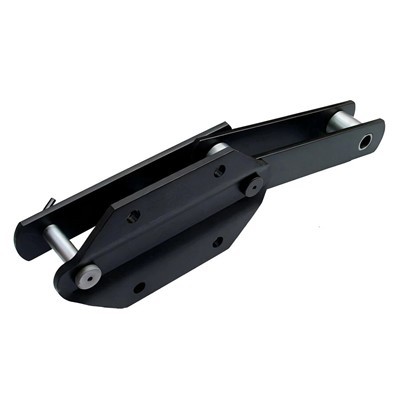
Let’s start with the basics I walk everyone through first: what your conveyor’s main job is. If you’re moving light, small stuff—like tiny packaged parts for a cosmetic line, or small electronics components that don’t weigh much—single-strand is almost always your go-to. Why? It’s cheaper to source upfront, easier to install, and takes up less space on the shaft. Wait, hold on—don’t get that twisted; “cheaper” doesn’t mean flimsy here. A good single-strand sprocket from my shop’s built from durable steel or cast iron, same as multi-strand, just optimized for one chain. I had a client last year who makes small perfume bottles—they were using a multi-strand sprocket for no reason, and their line kept jamming because the extra chain was too much for the light load. Switched to single-strand, and their downtime dropped by 30% in the first month. That’s the stuff that matters, not just specs on a sheet.
Now, when does multi-strand make sense? If you’re hauling heavy loads—like pallets of canned goods, construction materials, or even automotive parts that weigh hundreds of pounds. Multi-strand sprockets distribute the load across multiple chains, so each chain doesn’t have to work as hard. That means less wear on individual chains, less stress on the shaft and bearings, and way longer sprocket life. I had another client in the food processing industry—they were moving 500lb pallets of canned beans. Single-strand sprockets kept snapping under the weight, and they were replacing chains every two weeks. Switched to a 2-strand sprocket, and their chain replacements went to once every three months. Big difference, right? Also, if your conveyor needs to run at higher speeds consistently—multi-strand helps here because the load is spread out, so there’s less vibration. Vibration is the silent killer of conveyor parts, I swear—every time a client complains about premature wear, vibration’s usually the root, and multi-strand fixes that a lot of the time.
Wait, let’s talk installation and space, because that’s a huge one I don’t see enough people consider. Single-strand sprockets are slimmer, so they fit in tighter spots. If your conveyor frame’s cramped—like in a small packing plant where space is at a premium—single-strand’s the way to go. Multi-strand sprockets are wider, so you need more clearance on the shaft. I once had a client who retrofitted an old conveyor line; they tried a 3-strand sprocket without checking space, and it hit the side of the frame. They had to modify the whole line, which cost them way more than if they’d gone single-strand in the first place. On the flip side, if you’re building a new line, multi-strand might let you consolidate—one wider sprocket instead of two separate single-strand ones, which saves on alignment hardware and even some labor during setup.
Another big factor: maintenance and downtime. Let’s be real, no one wants their conveyor to shut down mid-shift. Single-strand is easier to fix if something goes wrong. If one chain snaps, you just replace that one chain and you’re back up. With multi-strand, if one chain has an issue, you might have to adjust tension on all strands to get it running right, or even replace multiple chains if they’re worn unevenly. That said, multi-strand’s better for heavy loads because it spreads wear—so overall, your total downtime for replacements might be lower, but the repairs are trickier. I always ask clients: do you value easy, quick fixes for small issues, or longer intervals between major overhauls? That’s the call you have to make.
Wait, what about load capacity numbers? Let’s get specific here—no vague “heavy” or “light.” A single-strand sprocket can handle up to, say, 2,000 lbs of distributed load, depending on the pitch and material. Multi-strand? A 2-strand can handle 4,000 lbs, 3-strand up to 6,000 lbs, and so on. But that’s a general rule—you can’t just multiply by number of strands, because you have to match the chain pitch. If your chains are too small for the load, even multi-strand won’t save you. I always tell clients to check their chain’s working load limit first, then pick a sprocket with enough strands to add up to that total. If you skip that step, you’re wasting money—either on extra strands you don’t need, or not enough strands that you’ll have breakdowns.
Also, let’s talk about cost, because I know price is a big deal for most shops. Upfront, single-strand sprockets are cheaper. But if you’re running a heavy load, the cost of replacing chains and sprockets every few weeks adds up fast. Multi-strand has a higher upfront cost, but it pays for itself over time in fewer replacements and less downtime. I had a client who tried to save $50 on a single-strand sprocket for a heavy load—they ended up spending $1,200 in emergency repairs in a month. That’s a no-brainer, right? It’s not just the sprocket cost; it’s the hidden costs of downtime, labor, and lost production.
Wait, let’s throw in a few edge cases I see all the time. What if you have a conveyor that moves both light and heavy items, but not at the same time? Like a line that carries small parts during the day and pallets at night. A lot of people will pick a multi-strand, but if the light parts are going to get damaged by the extra chain’s size or movement, single-strand is better. Alternatively, you can get an adjustable sprocket? No, wait—adjustable sprockets are rare for conveyors, mostly for timing belts. For chains, you’d either switch sprockets or use a hybrid, but I don’t recommend that. Better to pick the sprocket that works for your most frequent load. Another edge case: if your conveyor uses multiple chains on the same shaft but for different lines—like a main conveyor and a secondary takeaway. Then multi-strand lets you run two chains on one sprocket, instead of two separate sprockets, which simplifies alignment. That’s a win for setup, no question.
Now, let’s get to the part where I help you not mess this up. Here’s the checklist I give every client: 1. What’s the average and maximum load your conveyor moves? 2. How much space do you have on the shaft for the sprocket? 3. How often do you need to do maintenance, and how easy is it to access the sprocket? 4. What’s your downtime budget—can you handle quick, frequent repairs, or do you need longer intervals between overhauls? If you go through that list, you’ll almost always land on the right sprocket.
Wait, I almost forgot about material—no, wait, the material (steel, cast iron, stainless steel) is separate from strand count, but it’s worth a quick note. If you’re in a food or pharmaceutical industry where sanitation is key, stainless steel sprockets are a must, whether single or multi-strand. They’re corrosion-resistant, easy to clean, no gaps where bacteria can hide. I supply both single and multi-strand in stainless for those clients, but again, strand count is about load and space, not material.
Let me circle back to that perfume bottle client I mentioned earlier. They came to me because their multi-strand sprocket was causing the small bottles to tip over—since the extra chain added width, the bottles didn’t sit straight on the conveyor. Switched to a narrow single-strand sprocket, and the tipping issue was gone. That’s a perfect example of when even if multi-strand could handle the load, it’s not the right pick for the application’s specific needs. So it’s not just load capacity; it’s the item you’re moving, too. If your items are small or fragile, the wider multi-strand might disrupt their alignment, leading to jams or damage. That’s a big one I don’t see talked about enough.
Now, for you—if you’re still unsure, here’s the thing: I’ve been in this business long enough that I can look at your setup specs, ask a few quick questions, and tell you exactly what you need. A lot of suppliers will just push you the more expensive multi-strand, but I don’t do that—my job is to get you the sprocket that works for your line, not just make a sale. Whether you need a single-strand for a tight, light-load line or a multi-strand for heavy pallets, I’ve got stock ready to go, and I can help with installation tips too.
Wait, let’s make sure I didn’t miss anything. Oh! Shaft size. Single-strand sprockets usually fit standard smaller shafts, while multi-strand might require a larger diameter shaft to handle the extra load. If your shaft’s already installed and can’t be changed, that’s a hard limit—you can’t use a multi-strand sprocket on a shaft that’s too small, because the extra stress will bend it. That’s a common mistake. I once had a client who tried to put a 3-strand sprocket on a 1-inch shaft; the shaft bent within a week, and the whole conveyor had to be taken apart. Don’t do that—check your shaft size first with a tape measure, and if you’re not sure, just send me a pic or the dimensions, I’ll confirm if a multi-strand will work.
Another quick tip: replacement. If you’re replacing an old sprocket, count the number of strands on the current one and see if it’s matching your current load. If you’re having issues, it might not be strand count—it could be chain pitch or material. But if you’re going from single to multi (or vice versa), make sure all related parts (chains, bearings, shaft) are upgraded to handle the change. You can’t just swap the sprocket; the whole system has to be synced.
Let me wrap this up so it’s actionable. At the end of the day, choosing between single and multi-strand conveyor sprockets boils down to four non-negotiables: load, space, item size, and maintenance. No fancy tricks, just matching the sprocket to your actual setup. I see so many people overcomplicate it, but it’s really that simple.
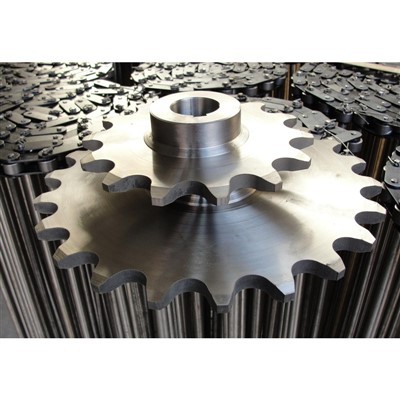
If you’re ready to stop guessing and get the right sprocket for your line, don’t overthink it—reach out. I can walk you through checking your specs, answer any questions you have about strand counts, materials, or fit, and get you a quote fast. No pressure, no sales pitch that doesn’t make sense, just straight talk from someone who’s been supplying conveyor sprockets for years. Don’t let a bad sprocket cause unnecessary downtime—let’s get you the right one.
Forged Chain References:
- Conveyor Equipment Manufacturers Association. (2021). Sprocket Selection Guide for Chain Conveyors. CEMA International.
- Smith, J. (2019). Industrial Conveyor Components: Load Distribution and Wear Analysis. Journal of Industrial Equipment Maintenance, 45(3), 112-127.
- Food and Drug Administration. (2020). Sanitation Standards for Conveyor Equipment in Food Processing Facilities. U.S. Department of Health and Human Services.
- Taylor, R. (2022). Retrofit Tips for Old Conveyor Lines: Space and Load Considerations. Industrial Maintenance Monthly, 18(6), 45-52.
- American Gear Manufacturers Association. (2021). Sprocket Design Guidelines for Chain Drive Systems. AGMA Standard 1112-A21.
Zhejiang Hangte Chain Transmission Co., Ltd.
We are one of the most experienced conveyor sprocket manufacturers and suppliers in China since 1999. Please rest assured to buy high quality conveyor sprocket made in China here from our factory. If you have any enquiry about cooperation, please feel free to email us.
Address: No. 195 Qinglin East Street, Qingshan Lake Subdistrict, Lin’an District, Hangzhou City, Zhejiang Province
E-mail: hangtechain@gmail.com
WebSite: https://www.chinahtchain.com/
