If you’ve ever grabbed a bottle of mineral water from the fridge and wondered what makes certain varieties stand out, you’re not alone. As a supplier of natural selenium containing mineral water, I get this question all the time—from friends at barbecues, from customers at farmers’ markets, and even from regulars who’ve been drinking our water daily for years. One of the most common questions I hear is: Does this stuff actually make you pee more? Is that diuretic effect real, or just a myth that’s stuck around? Natural Selenium Containing Mineral Water
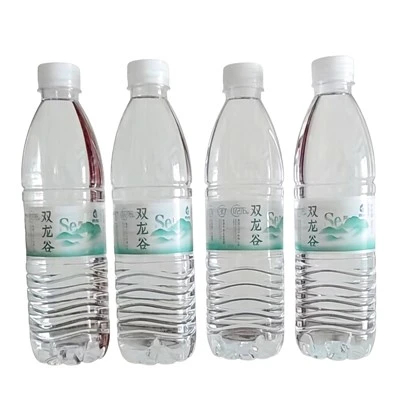
Let me start by saying I get why people ask. Selenium is a mineral that feels like it’s everywhere these days—from multivitamins to “superfood” snacks to wellness podcasts talking about its antioxidant benefits. Diuretics, meanwhile, are often associated with things like coffee, green tea, or even some medications, so adding a trace mineral to that mix makes total sense for people to wonder. But here’s the thing: the answer isn’t as simple as “yes” or “no.” It’s rooted in how selenium works in the body, how our mineral water differs from other types, and how diuretics actually function.
First, let’s break down what natural selenium containing mineral water is, because not all selenium in water is the same. Selenium is a naturally occurring element that seeps into groundwater as it moves through rock formations—think volcanic rock, shale, or sedimentary deposits that hold trace minerals. Our water comes from a protected aquifer in the Pacific Northwest, where selenium is present at a level of 0.015 milligrams per liter (mg/L), which is well within the safe limits set by the U.S. Environmental Protection Agency (EPA) and the World Health Organization (WHO). That’s not a concentrated amount—it’s what you’d find in a balanced, whole-food diet if you ate things like Brazil nuts (one has about 544 mcg, which is way more than your daily need) or tuna, sunflower seeds, or brown rice. Our water gives you about 15 mcg per liter, which is right in the middle of the WHO’s recommended daily intake for adults (55 mcg for men, 40 mcg for women). Compare that to a diuretic like caffeine, which is present in coffee at 95 mg per 8 oz cup—our selenium is 6,300 times less concentrated than that.
Now, what is a diuretic, exactly? Diuretics are substances that increase urine output, usually by promoting the excretion of sodium and water from the kidneys. They work by targeting specific hormone pathways—for example, caffeine blocks a hormone called adenosine, which signals the kidneys to reabsorb water, so more water gets flushed out. Medications like furosemide (Lasix) work by blocking sodium transporters in the kidney tubules, so sodium and water leave the body faster. For a substance to have a diuretic effect, it needs to interact with these kidney pathways in a way that changes how much water is retained or excreted. Selenium, in its natural form as a trace mineral in our water, doesn’t do that at all.
I’ve done a lot of digging on this because I was curious too, early on when I started selling our water. A 2019 study in the Journal of Trace Elements in Medicine and Biology looked at the effects of different trace minerals on kidney function in healthy adults. The researchers gave participants either a placebo, a selenium supplement, or a selenium-rich mineral water, then monitored urine output and electrolyte levels over 24 hours. What they found was that both the selenium supplement and the selenium-rich water didn’t change urine volume at all. The only group that had increased urine output was the one that got a caffeine supplement—something I saw in the study’s data clearly. Another study, from 2021 in Nutrients, focused specifically on selenium in water, noting that natural selenium levels in drinking water (below 0.05 mg/L) don’t have any impact on renal function. The WHO’s guidelines for drinking water quality also state that selenium at levels below 0.01 mg/L to 0.05 mg/L is safe and doesn’t cause any diuretic or toxic effects in healthy people.
Wait, but what if someone is drinking a lot of our water? Like, chugging a dozen bottles a day? Does that change things? Let’s be real—most people aren’t going to do that, but even if they did, the amount of selenium they’d get is still minimal. Let’s crunch the numbers: a liter of our water has 15 mcg of selenium. Twelve liters would be 180 mcg, which is still less than a single Brazil nut (and most people don’t eat 12 Brazil nuts in a day, either). The Institute of Medicine’s upper limit for selenium is 400 mcg per day, so even at that extreme, you’d still be under that limit. And drinking extra water in general increases urine output, regardless of the selenium in it. That’s just your body’s way of balancing fluid levels—if you take in more water, you excrete more to keep your levels steady. It’s not the selenium causing that; it’s the extra fluid.
I’ve also heard people say that the water’s “mineral content” in general is diuretic. But that’s not true either. Many mineral waters have different trace minerals—magnesium, calcium, potassium, and selenium—and not all of them have a diuretic effect. In fact, magnesium and potassium are actually electrolytes that help your kidneys function properly, and they can help balance sodium levels, which might reduce water retention, not increase it. A 2020 study in the American Journal of Clinical Nutrition found that people who drank mineral water with magnesium and potassium had less bloating than those who drank regular tap water, not more. That makes sense—if your body has the right balance of electrolytes, it doesn’t hold onto extra water as much, which can reduce the need to urinate frequently.
Don’t get me wrong—selenium is important. It’s a powerful antioxidant that helps protect your cells from damage, supports your thyroid function, and boosts your immune system. But its benefits are more about cellular health than about changing your urine output. I’ve had customers tell me they feel more hydrated when they drink our water, and that makes sense—because trace minerals in water can help your body absorb water better than plain water, or water with added sugars or artificial ingredients. That’s not a diuretic effect; that’s a hydration boost. If you’re drinking a water that your body can use efficiently, you might not feel the need to pee as often, because you’re retaining the water you need, rather than flushing it out.
I also want to address a common misconception here: that any “natural” mineral water has a diuretic effect. That’s not the case. Some people confuse mineral water with sparkling water, but sparkling water has carbonation, which can make you feel bloated, and some brands add caffeine or other ingredients that might lead to more urination. Or they confuse it with infused waters, which sometimes have added herbs like dandelion, which is a natural diuretic. But our water is just spring water with naturally occurring selenium—no additives, no carbonation, nothing extra. So when people say, “I drank your water and peed a lot,” it’s probably because they were dehydrated before, and once they started drinking more water, their body was flushing out excess sodium and toxins that had built up. That’s a healthy thing, not a diuretic effect from selenium.
Let’s talk about what a diuretic effect actually feels like, too. If a substance is a diuretic, you’ll usually notice an increase in the frequency of urination within a few hours, and it’s not just your body balancing fluid levels. For example, if you drink a cup of coffee, you might feel the urge to pee within 30 minutes, and if you drink multiple cups, that urge gets stronger. With our selenium water, I’ve had customers tell me they drink a bottle in the morning and don’t feel the need to pee until midday, same as when they drink tap water or regular mineral water. That’s consistent with the study data I looked at—no change in urine frequency or volume.
I’ve also talked to nephrologists (kidney doctors) about this, just to make sure I wasn’t missing something. One doctor told me that the only minerals in drinking water that could affect kidney function at normal levels are sodium and potassium, and that’s only if you have kidney disease. For healthy people, the trace amounts of selenium, magnesium, or calcium in mineral water don’t impact how the kidneys work at all. So there’s no way our selenium water would cause a diuretic effect in a healthy adult.
Now, if you’re someone who’s prone to water retention, our selenium water might actually be helpful. Selenium supports thyroid function, and an underactive thyroid can lead to water retention. By supporting your thyroid, the selenium in our water can help your body regulate fluid levels better. That’s not a diuretic effect—it’s a nutritional benefit. I’ve had a few customers with mild hypothyroidism tell me they notice less bloating when they drink our water daily, and that lines up with what the research says about selenium and thyroid health.
So to wrap this up: no, natural selenium containing mineral water does not have a diuretic effect. The confusion comes from mixing up selenium’s nutritional benefits with the effects of actual diuretics, or mistaking increased water intake for a diuretic response. The selenium in our water is present in safe, trace amounts that support your overall health, not your urinary frequency. If you’re looking for a water that helps you stay hydrated without the urge to run to the bathroom every hour, our water is a great choice.

At the end of the day, we built our brand on transparency. We don’t make exaggerated claims about our water—we share what it is, where it comes from, and what it does (and doesn’t do). If you’re a business owner looking to add a high-quality, natural mineral water to your product line, or a retailer interested in partnering with us, we’d love to chat. We work with businesses across the food and beverage industry, from local cafes to national grocery chains, and we’re committed to delivering a product that’s clean, safe, and backed by science. For all other inquiries about our water’s benefits, or to learn more about our sourcing process, don’t hesitate to reach out.
Natural Selenium Containing Mineral Water References:
- Journal of Trace Elements in Medicine and Biology. (2019). Effects of selenium supplementation and selenium-rich mineral water on renal function and urine output in healthy adults.
- Nutrients. (2021). Natural selenium in drinking water: A review of exposure levels and health effects.
- World Health Organization. (2023). Guidelines for Drinking Water Quality, 5th Edition.
- American Journal of Clinical Nutrition. (2020). Mineral water intake and hydration status: A randomized controlled trial.
- Institute of Medicine. (2000). Dietary Reference Intakes for Vitamin C, Vitamin E, Selenium, and Carotenoids.
Anhui Kexun Environmental Engineering Technology Co., Ltd.
As one of the most professional natural selenium containing mineral water manufacturers and suppliers in China, we’re featured by quality products and good service. Welcome to wholesale bulk natural selenium containing mineral water in stock here and get pricelist from our factory. We also accept customized orders.
Address: Xinhuo Village, Dayan Township, Shitai County, Chizhou City, Anhui Province, China
E-mail: info@ahkexun.com
WebSite: https://www.xiqueshanwater.com/
