If you’ve ever walked into a space and felt instantly calm, energized, or even just relieved that it didn’t feel generic, there’s a good chance the ceiling played a big part in that. Most people (myself included, once) walk into a room and only notice the walls, furniture, or lighting—they don’t spare a second glance at the ceiling. But as a decoration materials supplier who’s spent years helping contractors, designers, and homeowners pick the right stuff, I’m here to tell you: ceiling materials do way more than just cover up wires and pipes. They’re not afterthoughts. They’re functional game changers. Let’s break down exactly what they do, from the practical stuff you can see to the behind-the-scenes stuff you don’t. Decoration Materials

First, let’s talk about the most basic but non-negotiable function: covering up all the mess we don’t want to look at. If you’re renovating a basement, for example, you’ve got exposed electrical wiring, HVAC ducts, plumbing lines, random structural beams, and maybe even the occasional patch of old insulation that’s seen better days. Leaving all that out in the open would make even a nice basement feel unfinished, chaotic, and hard to enjoy. Ceiling materials—think our drywall panels, metal grid ceiling tiles, or even PVC ceiling sheets—wrap all that infrastructure up neatly. No more staring at a jumble of pipes when you’re hosting a movie night or working from your home office. It’s like a clean, blank canvas you get to customize. And let’s be real, that covers-up function isn’t just for basements. In an office, where you’ve got dozens of cables and HVAC vents running across the ceiling, a drop ceiling made of our lightweight, easy-to-install tiles keeps that area looking professional. No one wants a client walking in and seeing spaghetti-like wiring hanging from the ceiling. That’s a quick way to kill a first impression.
Next up, thermal regulation. This is one of the functions that a lot of people sleep on (pun totally intended, and I’ll own it). Ceiling materials are a huge part of keeping a space’s temperature consistent, which saves you a ton on utility bills. Let’s say you’re in a hot climate. Our fiberglass insulation-backed ceiling tiles, for example, act like a barrier between your indoor space and the hot attic above. They trap cool air inside, so your AC doesn’t have to run as hard to keep the room at a comfortable temperature. In colder climates? Same idea, just reversed. The ceiling material prevents warm air from seeping up and out through the roof. We recently had a client who runs a small retail shop in Minneapolis switch to our insulated plasterboard ceiling, and they told us their heating bill dropped 18% in the first year. That’s not a small number. It’s not just insulation, either. Some of our reflective ceiling panels work in spaces with lots of natural light—they bounce sunlight back into the room, which cuts down on the need for artificial lighting during the day. Double win: you’re saving on both heating/cooling and electricity. Talk about a functional multitasker.
Then there’s sound management. This is another one that can make or break a space, especially if it’s a high-traffic area. Ever been in a big, empty conference room where your voice echoes so bad you can barely understand the person talking 10 feet away? That’s a bad ceiling. Hard, untextured ceilings (like plain old concrete or bare drywall) reflect sound instead of absorbing it, turning a conversation into a muddy mess. Our acoustic ceiling tiles, though? They’re made with porous materials that suck up sound waves, cut down on echo, and make a space way more usable. We installed these tiles in a school cafeteria a couple years back, and the principal told us the noise level dropped so much that teachers didn’t have to raise their voices to talk to students during lunch. That’s a huge difference. It’s not just commercial spaces, either. In a home, a bedroom with a thin, noisy ceiling might mean you can hear your upstairs neighbor walking around at 2 a.m. Our sound-absorbent wallpaper-backed ceiling panels fix that, giving you more privacy and a quieter space to sleep. Sound management isn’t just about comfort—it’s about functionality. A workspace that’s too noisy kills productivity; a classroom that’s too loud makes it hard to learn. Ceiling materials fix that.
Fire resistance is a big one, too, and it’s not something to cut corners on. As a supplier, we always emphasize this because it’s literally a safety thing. Many of our ceiling materials are made with fire-retardant additives that slow down the spread of flames if there’s a fire. For example, our mineral fiber ceiling tiles are tested and rated to resist fire for up to an hour, which gives people more time to evacuate a building. That’s not a gimmick—building codes in most places require certain spaces (offices, schools, hospitals) to use fire-resistant ceiling materials, and for good reason. Even in residential spaces, adding a fire-resistant ceiling can give you extra peace of mind. I’ve had homeowners tell me they didn’t even think about fire resistance until they heard a horror story from a neighbor, and then they switched to our fire-rated drywall. It’s a small investment that can make a huge difference.
Durability and low maintenance are other key functions. A ceiling that’s easy to clean and stands up to wear and tear saves you money in the long run. For a restaurant, for example, where ceilings get hit with steam from the kitchen, grease splatters, and frequent cleaning, our PVC ceiling panels are perfect. They’re moisture-resistant, stain-proof, and you can just wipe them down with a cloth. No scrubbing, no repainting every couple years. In a warehouse, where dust and heavy use are the norm, our metal ceiling tiles hold up way better than drywall, which can crack or stain easily. We also have moisture-resistant options for bathrooms and laundry rooms, so you don’t have to deal with mold or warped ceiling materials. Let’s be honest: no one wants to have to fix their ceiling every few years. Durable, low-maintenance ceiling materials eliminate that hassle.
Wait, let’s not forget design flexibility. Even though ceiling materials are functional, they also let you customize a space’s look and feel. You don’t have to stick to boring, flat white ceilings. We have textured ceiling tiles that add depth—like a popcorn finish for a cozy, rustic vibe, or a smooth finish for a modern, minimalist look. We also have suspended (drop) ceilings that you can arrange in different patterns, or decorative plaster ceilings that add a luxurious touch to foyers or living rooms. For a boutique hotel, we recently helped design a ceiling with our metallic finish ceiling panels that bounced light around the lobby, making it feel more elegant and spacious. For a kid’s playroom, we have bright, printed ceiling sheets with fun patterns like stars or animals that make the space feel more playful. It’s not just about function; it’s about making a space feel like yours. A ceiling that’s boring can make a whole room feel boring, but the right material can tie the whole design together.
Now, let’s talk about something that’s a bit more modern: energy efficiency and sustainability. A lot of our clients care about this now, and rightfully so. Many of our ceiling materials are made with recycled materials—like our drywall, which uses post-consumer gypsum, or our mineral fiber tiles that come from recycled wood and glass. They’re also often recyclable themselves, so when you’re renovating, you don’t have to throw your old ceiling materials in a landfill. Plus, the energy-saving functions we talked about earlier—thermal regulation and light reflection—cut down on a building’s carbon footprint. We recently had a green office building project that used all our recycled ceiling materials, and they ended up getting a LEED certification. That’s a big deal for clients who want to build sustainable spaces. It’s not just a trend; it’s a responsibility, and we’re proud to offer materials that do both: work great and are good for the planet.
I know what some of you are thinking: “This all sounds good, but how do I pick the right ceiling material for my space?” Let me give you a quick breakdown. If you’re in a commercial space like an office or school, go for acoustic tiles and fire-resistant options. If you’re in a restaurant or bathroom, moisture-resistant, easy-to-clean PVC or metal panels are your best bet. For a home, consider insulated materials to save on utilities, and pick a finish that matches your design style. And if you’re not sure, just reach out—we’ve been doing this for years, and we can help you pick the right stuff for your budget and needs.
At the end of the day, ceiling materials are way more than just a cover-up. They protect your space, save you money on utilities, make it quieter, safer, easier to maintain, and even look good. They’re a small part of a room, but they have a huge impact on how you feel when you’re there. As a decoration materials supplier, we don’t just sell materials—we provide solutions that make spaces better, more functional, and more comfortable. Whether you’re a contractor working on a big commercial project, a designer looking for the perfect finish, or a homeowner doing a small renovation, we’ve got the products and the expertise to help you.
If you’re ready to upgrade your space, save on utilities, or just replace that old, worn-out ceiling, feel free to reach out to our team. We’d love to chat about your project, answer any questions, and help you pick the right ceiling materials for your needs. Don’t leave your ceiling as an afterthought—it’s one of the most important parts of any space. Let’s make it work for you.
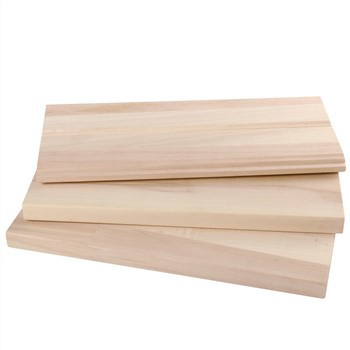
Paulownia Wood Board References
- American Society of Heating, Refrigerating and Air-Conditioning Engineers. Thermal Insulation Materials for Building Envelopes, 2022.
- National Fire Protection Association. Fire-Resistant Ceiling Materials for Commercial Structures, 2021.
- Acoustical Society of America. Sound Absorption Properties of Porous Ceiling Tiles, 2020.
- U.S. Green Building Council. Sustainable Ceiling Materials and LEED Certification, 2023.
- International Code Council. Ceiling Requirements for Residential and Commercial Buildings, 2022.
Cao County Hengyu Woods Co., Ltd.
Cao County Hengyu Woods Co., Ltd. is one of the leading decoration materials manufacturers and suppliers in China. We warmly welcome you to wholesale customized decoration materials at low price from our factory. Good service and cheap products are available. For free sample, contact us now.
Address: Cao County, Heze City, Shandong Province, China
E-mail: anna@hengyuwood.com
WebSite: https://www.hengyuwooden.com/
