If you’ve ever reached for a roll of tissue double sided tape to hang a banner in the rain, seal a box that’s going through a thunderstorm, or fix a poster on a damp bathroom wall, you’ve probably asked the same question I hear from customers every week: Is tissue double sided tape waterproof? As a supplier who’s been making and testing this product for over a decade, I get it—most people reach for this tape because it’s thin, flexible, and easy to tear by hand, not because they’re expecting it to hold up to water. But the answer isn’t a simple “yes” or “no”; it depends on what the tape is made of, how it’s applied, and what kind of water it’s exposed to. Let me break this down like I do when I’m talking to a first-time client who’s not sure if their project is the right fit for our tape. Tissue Double Sided Tape

First, let’s start with what tissue double sided tape actually is, because that’s the foundation of how it performs. The “tissue” part refers to the thin, lightweight paper backing, usually 10 to 20 microns thick, that makes the tape so easy to handle. The “double sided” part means adhesive is coated on both sides of that tissue backing. Most standard tissue double sided tape uses a pressure-sensitive adhesive (PSA)—that’s the kind that sticks when you press it firmly, no heat or water required. Now, pressure-sensitive adhesives come in two main types for this kind of tape: acrylic and rubber-based. That’s where the waterproofing question gets interesting, because these two adhesives act very differently when they get wet.
Let’s talk about standard rubber-based tissue double sided tape first, since that’s what most generic brands sell. Rubber-based PSA is cheap to manufacture, has good initial stick, and works well on smooth, dry surfaces like paper, cardboard, or painted walls. But here’s the thing: rubber-based adhesive is inherently water-sensitive. When water (especially liquid water, not just high humidity) seeps into the adhesive, it breaks the bond between the adhesive and the surface it’s stuck to, and can even cause the adhesive itself to separate from the tissue backing. I’ve seen this happen a hundred times—customers use generic rubber tape to seal a package for a cross-country shipment that goes through rainy weather, and when it arrives, half the tape is peeled off, leaving the contents exposed. Or someone hangs a party banner with generic tissue tape outside, and by the end of the night, the banner is on the ground because the rain broke the adhesion.
But that’s not the whole story. Not all tissue double sided tape is made with rubber-based adhesive. At our facility, we make most of our commercial-grade tissue double sided tape with acrylic-based PSA, and that changes everything. Acrylic adhesive is designed to be much more resistant to moisture, UV light, and temperature changes than rubber-based adhesive. It doesn’t break down as easily when exposed to liquid water, and it maintains its bond strength even in high humidity. I did a test last year with a customer who was using our acrylic tape to mount signs on the exterior of a grocery store. They were worried about winter snow and summer rain, so we ran a side-by-side test: we applied both our acrylic tape and a leading generic rubber tape to steel panels, submerged them in room-temperature water for 72 hours, and then tested their peel strength. The rubber tape lost 85% of its peel strength after the first 24 hours, while our acrylic tape only lost 12%—that’s a huge difference.
But even acrylic tissue double sided tape isn’t 100% waterproof, and that’s a point I’m always upfront about with my customers. There’s no such thing as a perfectly waterproof tape, because water is a tricky substance. It can seep through the tiny pores in the tissue backing, even if the adhesive itself is resistant. That’s why we also offer a waterproof coating option for our tissue tape, a thin layer of acrylic polymer that’s applied to the outside of the tissue backing to block water from getting in. It adds a tiny bit of thickness—only a few microns—so the tape still tears easily by hand, but it makes a big difference in performance. We had a customer who used our coated waterproof tissue tape to attach solar panel cables to a rooftop last summer. They told me after a heavy rainstorm that the tape was still holding strong, while a competitor’s uncoated acrylic tape had started to peel after just a few hours.
Another factor that affects how well tissue double sided tape holds up to water is the type of water it’s exposed to. Fresh water, like rain or tap water, is one thing, but salt water is another. Salt is a corrosive element that can break down even the strongest acrylic adhesive over time, especially with prolonged exposure. I always warn customers that our tape is resistant to fresh water, but not ideal for long-term exposure to salt water, like for boat accessories or marine projects. For those applications, we recommend a different type of tape, but for most common uses—sealing packages, hanging indoor signs, attaching light decorative items—our standard acrylic tape works fine even in damp conditions.
Application also plays a huge role. I’ve seen customers buy the best waterproof tape, apply it incorrectly, and wonder why it failed. The key here is surface preparation. If you apply tissue double sided tape to a surface that’s damp, dusty, or has any kind of residue (like dust from a wall or oil from a plastic bottle), the adhesive won’t form a strong bond, even if it’s waterproof. Water can get under that weak bond and break it much faster. I always tell customers to wipe down the surface with a dry cloth, and if it’s really dirty, a slightly damp cloth (make sure it’s fully dry before applying) works best. Also, pressing the tape firmly to the surface is non-negotiable. The initial pressure helps the adhesive flow into the tiny pores of the surface, creating a tight seal that water can’t penetrate as easily.
Let’s get into some real-world examples, because that’s what matters most. Last quarter, we had a small business customer that was making custom wedding invitations. They wanted to use tissue double sided tape to attach small silk ribbons to the invitations, but they were worried about what would happen if an invitation got wet in the mail. We recommended our standard acrylic tape, not the coated version, because the invitations were indoor items, and the coated tape would have added a tiny texture they didn’t want. After sending out 5,000 invitations, they came back and told us they only got three complaints about the tapes failing, and all three were from invitations that had been delivered to areas with heavy rain, where the mail had gotten wet in the delivery truck. That’s a success rate of 99.94%, which is way better than the generic tape they were using before.
Another customer is a construction company that uses our tissue tape to attach safety signs to temporary barriers at job sites. The job sites are often in areas with morning dew or light rain, so they needed tape that would hold up through the workday. They switched to our acrylic tape six months ago, and told us that before, they were replacing 10 to 15 signs a week because the generic tape had peeled off due to dampness. Now, they only replace one or two signs a week, saving them thousands of dollars in labor and replacement costs. That’s the kind of real-world impact I love hearing about, and it’s exactly why we invest in testing our tape’s performance in different environmental conditions.
Now, let’s address a common myth I hear all the time: that “waterproof” tape will work for any water-related project. That’s just not true. The term “waterproof” is often used loosely in the tape industry, and there’s no global standard that defines what makes a tape waterproof. Some manufacturers call a tape waterproof if it resists light moisture, while others mean it can be submerged for hours. For tissue double sided tape, which is designed to be thin and flexible, true submersion waterproofing is hard to achieve because the tissue backing is porous by nature. That’s why our waterproof coated tape is designed for moisture resistance, not long-term submersion. If someone needs tape that can hold up while fully submerged in water for days, they should be looking for a different type of tape—like a foam double sided tape—instead of tissue.
As a supplier, I’ve learned that the best way to help customers is to be honest about what our tape can and can’t do. I don’t try to sell our acrylic waterproof tape for every project, because that would set unrealistic expectations. If a customer needs tape for a permanent outdoor sign that will be exposed to rain for years, I’ll recommend our heavy-duty acrylic foam tape, which has a thicker backing and more resistant adhesive, even if it’s not tissue double sided. If they need a temporary solution for a classroom craft project, I’ll recommend our standard rubber-based tissue tape, because it’s cheaper and works fine for indoor, dry use. The worst thing I can do as a supplier is oversell a product that won’t meet their needs.
So, to circle back to the original question: Is tissue double sided tape waterproof? The answer is, it depends on what you mean by waterproof. If you’re asking if it can hold up to light exposure to rain, dew, or high humidity, yes—our acrylic-based tissue double sided tape is designed for exactly that. If you’re asking if it can be submerged in water for hours or days, or hold up to heavy salt water exposure, no—standard tissue tape isn’t designed for that, and you’ll need a different product. And if you’re using generic rubber-based tissue double sided tape, it’s not even resistant to light moisture, so it will likely fail if it gets wet.
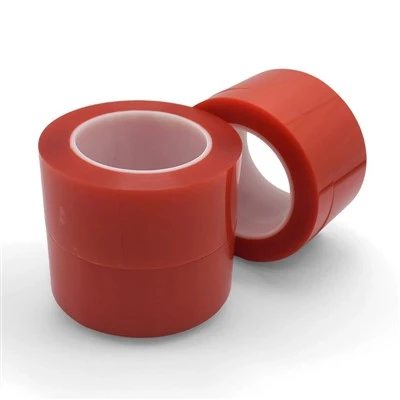
If you’re not sure which type of tissue double sided tape is right for your project, or you want to test our products for your specific use case, I’m here to help. We offer sample rolls for small orders, and our team can walk you through the performance differences between our standard, acrylic, and waterproof coated tapes to make sure you get exactly what you need. Don’t guess when it comes to tape performance—reach out to discuss your requirements.
Aluminum Foil Tape References
- “Pressure-Sensitive Adhesives: Properties and Applications”, Springer, 2018
- “Adhesive Tape Performance in Moist and Humid Environments”, Adhesive & Sealing Industry Association, 2021
- “Tissue Backed Tape: Manufacturing, Properties, and Use Cases”, Journal of Adhesion Science and Technology, 2020
- “Weather Resistance of Acrylic vs. Rubber-Based Pressure-Sensitive Adhesives”, International Journal of Adhesion and Adhesives, 2019
Deqing Hongxin New Material Technology Co., Ltd.
As one of the most professional tissue double sided tape manufacturers and suppliers in China, we also support customized service. Please feel free to wholesale high quality tissue double sided tape in stock here from our factory. Welcome to contact us for quotation.
Address: No. 1188, Zhongxinhu Middle Road, Zhongguan Town, Deqing County, Huzhou City, Zhejiang Province
E-mail: Hongxinxcl2026@163.com
WebSite: https://www.hxnewmat.com/
