Hey guys, if you’re outfitting a commercial space, industrial plant, or even a big residential complex, you know cable trays aren’t just afterthoughts—they’re the backbone that keeps wires organized, safe, and out of harm’s way. And when it comes to handling all sorts of harsh environments, stainless steel cable trays aren’t your run-of-the-mill option. Let’s break down exactly how their chemical resistance works, why it matters, and how you can lean on this stuff to keep your projects running smoothly. Stainless Steel Cable Tray

First off, I’m part of the team that supplies stainless steel cable trays—so I hear this question all the time: “Why not just go with galvanized steel? It’s cheaper, right?” Yeah, but galvanized steel has that thin zinc coating that chips, scratches, or wears off fast when you’re dealing with chemicals. That’s where stainless steel comes in. Its chemical resistance all boils down to one tiny element most people gloss over: chromium. When chromium makes up at least 10.5% of the steel alloy, it reacts with oxygen in the air (or water, or whatever medium it’s exposed to) to form a super thin, invisible layer of chromium oxide on the surface. That layer is what does all the heavy lifting—it seals the metal underneath, stops it from corroding, and even self-heals if it gets nicked or scratched. Unlike a zinc coating, it doesn’t flake off. That’s a game-changer.
Now, let’s get specific about chemicals, because not all substances hit the same. We categorize chemical exposures a lot for our clients, and the resistance of stainless steel trays depends on both the type of chemical and the grade of stainless steel you pick. The most common grades we work with are 304 and 316—those are the workhorses, and honestly, 90% of our jobs don’t need anything more exotic. Let’s start with 304 first, since it’s the go-to for general industrial use. 304 is great for mild chemicals: things like dilute acids (like the vinegar you’d find in a food processing plant, or mild cleaning solutions), salts (road salt for outdoor applications, or table salt in a kitchen), and even mild alkalis like soap or ammonia-based cleaners. I’ve seen 304 trays hold up for 10+ years in grocery store backrooms that get regular mopping with bleach-based cleaners—no rust, no discoloration, no wires exposed. That’s the kind of reliability most clients don’t get with galvanized steel, which would start showing red rust within 2-3 years in that same space.
But wait, what do 304 trays can’t handle? Stronger stuff, right? High concentrations of acids (like sulfuric acid, nitric acid—those are common in chemical manufacturing facilities), chloride-heavy environments (like coastal areas, where salt air is everywhere), or briny solutions that are super concentrated. That’s where 316 stainless steel steps in. Grade 316 adds molybdenum to the alloy—around 2-3%—and that’s the magic ingredient for upping chemical resistance, especially against chlorides. Let’s be real, coastal warehouses or boatyards deal with salt spray that eats through regular steel like nothing. We installed 316 trays at a marina in Florida a few years back, and the client told me last year they still look brand new, no corrosion at all. If they’d used 304, we’d have been back replacing half the trays within 5 years, easy. 316 also holds up way better to concentrated acids, like the ones used in pharmaceutical manufacturing or water treatment plants. One thing to note, though: even 316 isn’t invincible. I’ve had clients ask about using it for hydrofluoric acid, or very high concentrations of sulfuric acid at elevated temperatures, and I have to be straight with them—those need special alloys, like 904L or Hastelloy, not your standard 316. We don’t carry those for most projects, but we’ll point you to the right folks if that’s what you need.
Now, a common mistake we see clients make: they assume “chemical resistance” means it works for every chemical, every time. It’s not a one-size-fits-all. Temperature also plays a huge role, and a lot of people forget that. A chemical that’s mild at room temperature can turn way more aggressive when it’s hot. For example, 304 stainless steel is fine for dilute sulfuric acid at 70°F (21°C), but crank that up to 150°F (65°C), and it’ll start corroding fast. Same with salt: at room temp, it’s no big deal for 316, but if you’ve got a hot brine line running nearby, that changes things. That’s why we always ask clients to send a quick note about what chemicals they’re dealing with, the temperature of those chemicals, and even the humidity level of the space. A food processing plant with high humidity and mild acid spillage is way different from a chemical plant with hot, concentrated acid. We don’t just sell trays—we help clients pick the right one, because we’ve seen too many folks go cheap on the wrong grade and end up paying to replace everything in 3 years.
Another thing people don’t talk about enough: what about organic chemicals? Stainless steel cable trays actually handle a lot of those really well. Things like oils, fuels, solvents, glycols—those are super common in auto shops, factories, and even power plants. I’ve worked on an auto assembly line where the trays are exposed to motor oil, gasoline, and cleaning solvents on a daily basis, and the 304 trays there have been going strong for over a decade. No cracking, no degradation, no weird chemical reactions that would mess up the tray or the wires inside. That’s why stainless steel is such a big hit in sectors like automotive, food and beverage, and pharmaceuticals—they deal with all kinds of organic stuff, and they don’t want to risk chemicals leaching from the tray into their wires or products.
Wait, let’s address the elephant in the room: can stainless steel trays rust? Yeah, technically, but not because it’s bad stainless—usually it’s user error. Like, if you leave a steel weld splatter on the tray surface, or drag a carbon steel tool across it, that leaves tiny iron particles on the stainless. Those particles rust, and the rust can stick to the stainless surface, which people mistake for the tray itself corroding. That’s not the stainless failing—it’s surface contamination. We always tell our clients to clean any weld residues or iron filings off the tray right after installation, and to avoid using carbon steel tools on the surface. That’s a super easy fix, and it keeps the trays looking good and working right. Another time it might look like corrosion: crevice corrosion. That happens in tight spaces, like between two tray sections that are bolted together, where chemicals can get trapped and oxygen can’t reach to form that protective oxide layer. 316 is way more resistant to this than 304, but it’s still something to consider—especially in areas with high chemical exposure. We recommend using stainless steel hardware on the trays (which we can supply) instead of carbon steel, because that eliminates a lot of crevice corrosion risks.
Now, let’s compare this to other materials, just to put it in perspective. PVC cable trays, for example, are cheap, but they melt when exposed to high temperatures, and a lot of chemicals will eat through them—like gasoline, strong acids, or solvents. They also break down over time from UV exposure, so if you’re installing them outdoors, they’ll become brittle in 5-10 years. Aluminum trays are lighter, but they corrode fast in acidic environments, and they can’t handle high temperatures either. Carbon steel is cheap, but it rusts like crazy unless you add a coating, and those coatings chip. Stainless steel might cost a bit more upfront, but when you factor in replacement costs over 10, 15, 20 years, it’s way cheaper in the long run. We’ve had clients tell us their stainless trays have paid for themselves in just 4 years, because they never had to replace them, whereas their old galvanized trays needed replacing every 3-5 years.
I get it, cost is a big factor. That’s why we always break down the options with clients: if your space is a standard office, or a retail store with no harsh chemicals, galvanized might work—but if you’re in a industrial, coastal, or food/pharma setting where chemicals are a thing, stainless steel is worth it. We also have different finishes, too. For extra aggressive environments, you can get electropolished stainless steel, which smooths out the surface even more, makes it harder for chemicals or contaminants to stick, and reduces crevice corrosion. That’s great for pharmaceutical facilities where cleanliness is non-negotiable, or chemical plants with heavy chemical exposure.
So, how do you make sure you’re picking the right stainless steel tray for your specific chemical exposure? First, list out all the chemicals you’ll be around—even the “mild” ones, like cleaning solutions or salt. Note their concentration, temperature, and how often you’re exposed to them (is it a occasional spill, or constant exposure?). Then, think about the environment: is it indoor, outdoor, coastal, high humidity? If you’re not sure, just shoot us a message with those details—we’ve got a team that can help you pick the right grade, the right finish, even the right size tray for your project. We don’t just push the most expensive one; we push the one that fits your needs and your budget.
I’ve been in this industry for 8 years, and one thing I’ve learned is that the best cable tray isn’t the cheapest—it’s the one that can handle the stuff your project throws at it, without you having to worry about it for years. A stainless steel cable tray’s chemical resistance isn’t just a spec on a sheet—it’s peace of mind. You don’t have to shut down operations to fix a corroded tray, you don’t have to replace wires that got damaged because the tray failed, you don’t have to deal with fines because of a chemical leak caused by a faulty tray. That’s the value here.
If you’re planning a project right now, or you’re looking to upgrade old trays that are falling apart, hit us up to chat about your needs. We can send over samples, break down the pros and cons of each grade, and even help you calculate the long-term cost savings of going with stainless steel. No pushy sales stuff, just straight talk about what works for your space. We’ve worked on everything from small restaurant backrooms to big chemical plants, so we’ve seen all kinds of chemical challenges, and we know how to match the right tray to the job.
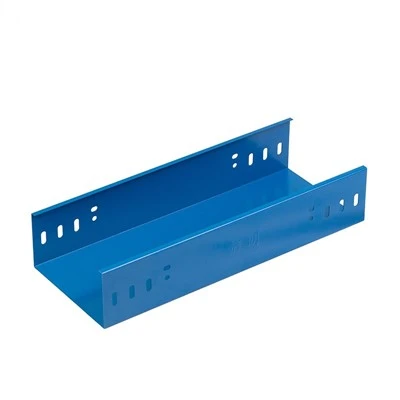
At the end of the day, a cable tray’s chemical resistance is what keeps your entire electrical system safe and operational. Don’t cut corners on that part—it’ll come back to bite you. And if you’re not sure where to start, we’re here to help. Reach out, tell us about your project, and we’ll get you the right solution.
Perforated Cable Tray References:
- ASM International. (2006). Stainless Steel: Structure, Properties, and Performance. ASM International.
- Davis, J. R. (Ed.). (2001). Stainless Steel: Product, Selection, and Application. ASM International.
- NACE International. (2018). Corrosion Resistance of Stainless Steels in Chemical Environments. NACE International.
- International Organization for Standardization. (2019). ISO 15156: Petroleum and natural gas industries – Materials for use in H2S-containing environments in oil and gas production. ISO.
Hebei Jinglang Industrial Co., Ltd.
As one of the most professional stainless steel cable tray manufacturers and suppliers in China, we also support customized service. We warmly welcome you to wholesale high quality stainless steel cable tray in stock here from our factory. If you have any enquiry about quotation, please feel free to email us.
Address: Nanxinzhuang Village, Daweihe Hui and Manchu Township, Wen’an County, Langfang City, Hebei Province
E-mail: 18231629992@163.com
WebSite: https://www.jinglangcabletray.com/
