If you’ve ever sourced high abrasion resistant fabric for industrial workwear, heavy-duty gear, or protective equipment, you’ve likely run into a persistent question: Can this tough, durable material actually be dyed? As someone who’s spent the last 12 years as part of the team that manufactures and supplies these fabrics—we’ve shipped thousands of yards of fabric to construction firms, mining companies, and protective gear makers across North America and Europe—I’ve fielded this question more times than I can count. The short answer is yes, but it’s not as simple as grabbing a bucket of dye and tossing the material in. Abrasion resistant fabrics are built for extreme use, and their durability features often make dyeing trickier than with standard cotton or polyester. But with the right approach, we can achieve long-lasting, vibrant colors that hold up as well as the fabric itself. Let’s break this down, talk about what makes these fabrics different, and how we make dyeing work for our materials. High Abrasion Resistant Fabric
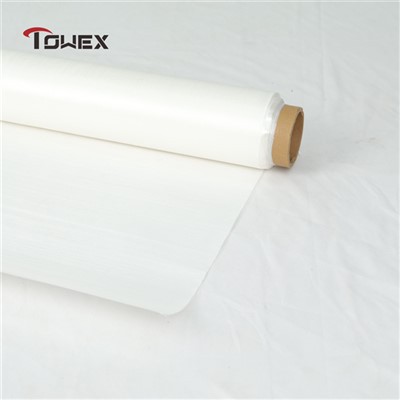
First, it’s important to understand why high abrasion resistant fabric is so tough in the first place. Most of what we supply is made from core fibers like para-aramid (think Kevlar, but we work with a proprietary blend tailored specifically for abrasion resistance), high-modulus polyethylene (HMPE), or even heavy-duty polyester treated with specialized coatings or yarn treatments. Unlike regular fabrics that bend and wear out after repeated friction, these materials are engineered to withstand 10,000+ rubs on a Martindale abrasion tester (for context, a standard cotton t-shirt usually maxes out at 1,000 rubs before pilling). The key to that toughness? Dense, tightly twisted yarns, low porosity, and often a chemical or polymer coating designed to resist friction and tears. Those same features are exactly what make dyeing a challenge.
Let’s start with the biggest hurdle: fiber density and surface treatments. Para-aramid fibers, for example, have a very tight molecular structure with few porous spots for dye molecules to penetrate. Most standard reactive or disperse dyes work by bonding to open spaces in fiber molecules, but with para-aramid, those gaps are minimal. Add a durable abrasion-resistant coating—like a polyurethane or polyurea layer we apply to some of our heavyweight fabrics to boost tear resistance—and the dye has to get past that smooth, non-porous surface before it can even reach the fiber. A lot of dyers we’ve worked with in the past have tried to skip the prep work and ended up with dye that sits on top of the fabric, rubbing off after the first wash or even just from handling. That’s a dealbreaker for our customers, who need colors that don’t fade when their workers are wiping down machinery, kneeling on rough concrete, or brushing against metal edges.
Another common issue is dye fastness. Abrasion resistant fabrics are used in environments where they’re exposed to not just friction, but also harsh conditions: frequent washing with industrial detergents, UV exposure from outdoor worksites, or even chemical splashes in manufacturing plants. Regular dye jobs will bleed in the wash or fade after a few months, but our customers need colors that last as long as the fabric itself—often 3 to 5 years of heavy use. That means the dye doesn’t just have to stick to the fiber; it has to bond so securely that it doesn’t wash out or degrade when exposed to extreme conditions. I remember a customer in the construction industry a few years back who tested a competitor’s abrasion resistant workwear pants. The black dye wore off the knees after just three months of knee pads and concrete friction, leaving gray streaks. They reached out to us because they needed a fabric that would hold its color as well as it held up to abuse, and that’s when we refined our dye process specifically for their use case.
So, how do we solve these challenges? Over the years, our team has partnered with specialty dye houses that focus on performance textiles, not just fashion fabrics, to develop a dyeing process tailored to our high abrasion resistant materials. It starts with pre-treatment, which is non-negotiable. For fabrics with protective coatings, we use a gentle but effective surface etching process that opens up the fiber’s outer layer without damaging its abrasion-resistant properties. This isn’t the harsh, high-temperature etching used for old-school industrial textiles—it’s a controlled chemical process that only affects the outer 1-2 microns of the coating, enough to create tiny “grip” points for dye molecules to attach to, without weakening the fabric’s ability to resist friction. For para-aramid blends, we use a specialized high-temperature dye bath (around 205 degrees Fahrenheit, higher than standard fabric dyeing) that forces dye molecules into the fiber’s molecular structure by using pressure to expand the fiber’s tight gaps. We also avoid low-quality dyes that use basic or acid dyes, which don’t bond well to our fibers, and instead use cross-linking dyes that chemically lock the dye molecules to the fiber itself—so even when the fabric is rubbed or washed, the dye doesn’t move.
We also test every batch of dyed fabric to make sure it meets our customers’ needs. Before we ship any order, we run three key tests: abrasion fastness (rubbing the fabric 10,000 times with a Martindale tester and checking how much dye transfers to the rubbing cloth), wash fastness (washing the fabric 50 times in an industrial washer with standard detergent and measuring color fade), and UV fastness (exposing the fabric to 100 hours of simulated sunlight to check for fading). In our tests, our dyed fabrics typically have a color loss of less than 5% after all these tests—compared to 20-30% for standard dyed abrasion resistant fabrics. That’s the difference that matters for our customers. It means their workwear, protective gear, or industrial covers won’t just tear or wear out before their color does; it means they get a consistent, professional look that their team can rely on, and they don’t have to replace gear just because it looks faded, not because it’s no longer functional.
That said, there are some limitations to what we can do, and it’s important to be transparent about that. Not every color is equally easy to achieve on high abrasion resistant fabric. Dark colors like black, navy, and forest green hold the best—they use higher concentrations of dye, so even if some dye wears off, the color remains consistent. Lighter colors, especially pastels, are trickier because they require much lower dye concentrations, so any minor inconsistency in the dyeing process can show up more. We also recommend avoiding extremely high-sheen finishes for dyed fabrics, since sheen usually requires a top coating that can interfere with dye adhesion. Most of our dyed fabrics have a matte or semi-matte finish, which actually works well for industrial use—sheen can show scuffs more easily, anyway.
We’ve also found that the choice of base fabric plays a big role in dye success. Our lighter-weight abrasion resistant fabrics (around 8 oz per yard, perfect for coveralls or lightweight work pants) take dye just as well as our heavyweight fabrics, but the HMPE blends we use for ultra-heavy applications (like cut-resistant gloves or mining gear) can have slightly different dye uptake rates. That’s why we always work with customers to match the dye process to their specific fabric and intended use. For example, a customer making cut-resistant gloves for meat processing needs a light, durable fabric that won’t hold bacteria—so we use a dye process that also includes a mild antimicrobial treatment that doesn’t interfere with dye adhesion. A customer making outdoor tarps for logging needs a heavy fabric that resists UV and abrasion—so we use a dye process that’s optimized for UV fastness and works with the tarps’ waterproof coating.
One thing I hear a lot from customers is, “I thought high abrasion resistant fabric had to be dull or plain gray/black to be effective.” That’s a myth we’ve worked hard to bust. For years, protective gear was limited to neutral, industrial colors because dyeing was unreliable. But modern dye technology and tailored processes have changed that. We’ve supplied dyed abrasion resistant fabric in bright safety orange, high-visibility yellow, and even custom brand colors for workwear programs, and those colors hold up just as well as the fabric itself. A construction company we worked with last year wanted all their field staff in custom branded navy work pants that wouldn’t fade after months of working on highway projects. We dyed our mid-weight para-aramid blend fabric to their exact navy shade, tested it, and delivered thousands of yards. Six months later, they reached out to reorder, saying the pants still looked as good as the day they were issued—no fading at the knees, no streaks from kneeling on asphalt. That’s the payoff of getting the dye process right.
I’ve seen too many fabric suppliers overpromise on dyeing for abrasion resistant materials, only to deliver a product that fails once it’s in the field. That’s why we don’t cut corners. We don’t rush the pre-treatment process, we use specialty dyes designed for performance textiles, and we test every batch thoroughly. At the end of the day, our customers don’t just want a fabric that’s tough—they want a fabric that’s functional, consistent, and looks good while doing the job. Dyeing high abrasion resistant fabric is possible, but it’s not a one-size-fits-all process. It requires attention to detail, the right partners, and a commitment to testing that goes beyond the factory floor.
If you’re looking for high abrasion resistant fabric that can be dyed to your exact specifications—whether you need workwear for your team, protective gear for industrial applications, or heavy-duty covers that need to stand out on the job—we’ve got you covered. Our team can walk you through different fabric options, discuss dye color and fastness requirements, and provide samples so you can test the fabric and color for yourself. We work with every industry, from construction and mining to manufacturing and agriculture, and we’re always happy to adjust our processes to meet your specific needs. Don’t settle for a dull, plain fabric that doesn’t match your brand or your team’s needs. Reach out to us to learn more about our dyable high abrasion resistant fabrics and get the solution that works for you.
Bulletproof Helmet References
- Textile Institute. (2020). Performance Textiles: Dyeing and Fastness Testing for Industrial Applications. Textile Institute Press.
- Horrocks, A. R., & Anand, S. C. (2016). Handbook of Technical Textiles (2nd ed.). Woodhead Publishing.
- Martindale, J. (1945). A method of measuring the wear resistance of fabrics. Journal of the Textile Institute, 36(12), T245-T253.
- Kissa, E. (1999). Fluorinated Surfactants and Repellents (2nd ed.). Marcel Dekker.
- Society of Dyers and Colourists. (2018). Fastness Testing of Textiles: A Practical Guide. Society of Dyers and Colourists.
Jiaxing Towex New Materials Co., Ltd.
Jiaxing Towex New Materials Co., Ltd. is one of the most experienced high abrasion resistant fabric manufacturers and suppliers in China, also supports customized service with low price. Please feel free to buy bulk high quality high abrasion resistant fabric in stock here from our factory. Contact us for quotation.
Address: Building 1666, Wuzhen High-tech Zone, Tongxiang City, Zhejiang Province
E-mail: sales@towextech.com
WebSite: https://www.topuhmwpe.com/
