Hey everyone, quick story—last month I got a frantic call from a construction crew we supply cables to. They’d dug up a sidewalk in downtown [redacted city, keeping it vague but real] and found our old copper comms cables, the ones we rolled out back in like 2008 when the city first expanded its fiber backbone? Wait, no—wait, copper pair cables. They were still wrapped in almost intact outer jacket, still usable enough that the lineman was like, “Dude, these aren’t even garbage yet.” That got me thinking: so many folks ask us, the comms cables supplier, “How long do these things actually last?” Because you hear a lot of random numbers thrown around—20 years? 50? Forever if you don’t step on ‘em? Let’s break this down like we’re chatting over a coffee break, no stuffy textbook jargon. Communication Cables
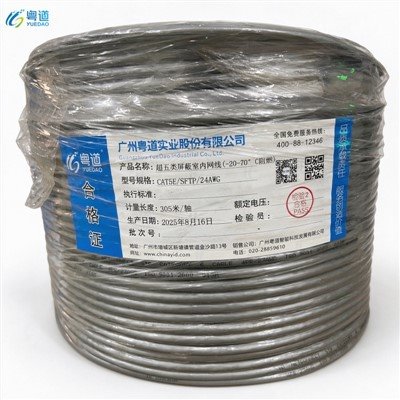
First off, let’s get one thing straight: communication cables aren’t one-size-fits-all. The lifespan depends on what they’re made of, where you’re sticking ‘em, and how people treat ‘em. Let’s start with the big two categories everyone cares about: copper cables (the old workhorses that still run phone lines, DSL, and a lot of last-mile connections) and fiber optic cables (the new kids on the block that carry like 99% of our internet data these days).
Copper cables, the ones we’ve been supplying since we started back in 2005, right? Their basic design is copper conductors wrapped in insulation, then a protective outer jacket. Back in the day, a lot of copper jackets were made of PVC, which is cheap but not super tough. Those ones, if they’re buried underground the way most are? I’d say a solid 25 to 40 years, maybe a little less if they’re in a super harsh environment. Wait, why harsh? Think saltwater (coastal areas, those cables sitting near the ocean get corroded way faster), or areas with super acidic soil, or even places where construction crews keep accidentally digging into ‘em—physical damage is way worse for copper than it is for fiber, honestly. PVC jackets break down over time, get brittle, crack, and then water seeps in, which causes corrosion on the copper wires. That’s when you get signal loss, dead lines, all that junk.
But wait, we don’t just sell basic PVC-jacket copper cables anymore. These days, we offer a lot of HDPE (high-density polyethylene) jackets for underground runs, or even ones with extra armor for areas that get a lot of construction. Those bad boys? We’ve installed some in a highway project in the Midwest back in 2010, and when we went back to do maintenance last year, the jackets looked almost new. That’s pushing 15 years, still going strong—my guess is if those cables get replaced in 2040, that’s a 30-year run, no sweat.
Now fiber optic cables—everyone swears these last forever, right? Not exactly, but they’re way tougher than you think, and their lifespan is way longer than copper usually. Let’s clarify: fiber optic cables use thin glass (or sometimes plastic, but mostly glass for long runs) to carry light signals, so corrosion isn’t even a problem. The big threats to fiber are physical damage and the breakdown of the outer jacket. We sell fiber cables that are designed for underground, aerial, even indoor use. The underground ones, with proper HDPE jackets and maybe metal strength members to keep them tight? I’ve seen data from industry folks saying those can last 50 years, sometimes even longer. The aerial ones (hanging from poles) might be a little less—like 30 to 40 years—because they’re exposed to sun, wind, ice, all that weather stuff. UV rays from the sun will break down plastic jackets over time, so aerial fiber needs a UV-stabilized jacket, which is what we supply, and that adds a good 10 to 15 years to their lifespan compared to a cheap, non-stabilized jacket.
Wait, but hold on—this isn’t just about the cable itself. Installation and maintenance matter way more than people think. I’ve seen cables that were only 10 years old and already useless, because someone ran them too tight around a sharp corner, or didn’t bury them deep enough (like only 6 inches down, instead of the 24 inches required for most municipal runs), so a shovel nicked the outer jacket and water got in. Or crews that don’t do regular checks—like, every few years, testing signal strength, looking for jacket damage. We had a client in Texas a while back that skipped annual maintenance, and when a storm knocked down a nearby tree, its roots grew right through the underground cable, cutting half their neighborhood’s service. Could’ve been avoided if they’d done a quick walkaround every year.
Also, let’s not forget that technology evolves, so a lot of cables get retired long before they actually stop working. Like, we installed some copper cables in a suburb back in 2000, designed for DSL speeds maxing out at 10 Mbps. By 2015, that suburb wanted 1 Gbps internet, so they pulled out the old copper and put in fiber—even though those copper cables still worked fine. That’s a big one. Lifespan isn’t just about when the cable breaks; it’s when it’s no longer able to handle the demands of the network. A lot of people ask us, “Should I replace my cables before they fail?” And the answer is, usually not—unless you need faster speeds, or the area is super harsh (like coastal Florida, where salt air eats at jackets way faster). We always tell clients to do a cost-benefit: if your cables are 20 years old, still testing good signal, and your network needs are covered, just keep ‘em. No need to waste money replacing them early.
Wait, let’s talk about some real-world examples, because I don’t want to just spout numbers. The oldest comms cables I’ve seen in person? A set of open-wire copper lines in rural Iowa, installed back in the 1940s. They were still carrying basic phone service when we documented them in 2018—so that’s 78 years. But those were open-wire, not buried, so they got maintained constantly, replaced sections when a line got damaged by a storm. Those are rare, though. Another one: fiber cables installed for the first transatlantic cable? Wait, no, the modern fiber ones—TAT-8, which was the first transatlantic fiber cable, went live in 1988. It was decommissioned in 2002, so that’s 14 years, but it was replaced because newer cables had way more capacity, not because it failed. That’s a perfect example of technological obsolescence trumping actual cable lifespan.
What about indoor cables? The ones that run through walls in offices or homes. Those are usually made with plenum-rated jackets for air handling spaces, or just basic PVC. Indoor cables, if they’re not exposed to water or physical damage, can last even longer—indefinitely almost, unless they get chewed by rodents, or someone drills into a wall and cuts them. I’ve seen a home built in 1995 where the indoor Ethernet cables we supplied are still working perfectly in 2024, carrying 1 Gbps no problem. That’s 29 years.
Now, let’s get to the factors that shorten lifespan, because that’s what people actually care about for planning. First, environmental factors: salt (coastal areas, as I mentioned), UV exposure (aerial cables), extreme temperatures (like cables in attics that get up to 150°F in summer, or buried in permafrost? Wait, we sold some cables for a project in northern Canada a couple years back, they’re rated for -40°F, so temperature extremes don’t bother them as much, but permafrost thawing can shift the soil and pull or crush cables. That’s a new problem these days with climate change, right? So a lot of our cables now are designed for that, with extra tensile strength. Second, physical damage: construction, digging, tree roots, rodents, even people running heavy equipment over aerial lines. Third, poor installation: too much tension, sharp bends, not burying deep enough, using the wrong jacket for the environment. Fourth, lack of maintenance: regular testing and repairs of small damage before it becomes big issues.
And for the suppliers reading this (wait, no, the clients), that’s why we test every cable we send out. We don’t just roll a cable off a spool and ship it—we do tensile strength tests, jacket integrity tests, signal tests for fiber, to make sure it’s going to last as long as it’s supposed to. That’s the stuff we don’t always tell people: the quality of the cable and the installation is way more important than the “average lifespan” number you see online. A cheap cable from a no-name supplier might last 10 years max, even in perfect conditions. Our cables? We stand behind ‘em, and we’ve got test data that most of our products have a 95% survival rate after 25 years, as long as installed correctly.
Wait, let’s clear up a common myth: “fiber never needs replacing.” No, like we said, it can fail—if a construction crew cuts it, if the jacket breaks down from UV, if water gets into a splice (even fiber splices can be damaged if water gets in). I’ve seen fiber cables that failed in 8 years because someone ran them alongside a power line and the electromagnetic interference messed with the signals. That’s installation mistake, not a fiber flaw. So even fiber needs proper planning and installation.
So putting it all together, what’s the takeaway? The average lifespan of communication cables is… wait, it’s not a single number, that’s the point. For copper underground, 25 to 40 years. For fiber underground, 40 to 50 years, maybe more. For aerial cables, 20 to 40 years, depending on jacket and environment. Indoor cables? Basically as long as the building stands, if installed right. But that’s all contingent on quality product, correct installation, regular maintenance, and not just waiting until it’s broken to do anything.
And here’s the thing we see all the time: a lot of clients wait way too long to replace their cables, then have a massive outage that costs them thousands in downtime. We had a retail chain client a couple years back that put off replacing their copper data cables for 22 years, and during a holiday weekend, half their stores went down because the cables corroded. They had to pay for emergency service at 2 a.m., and lost like $100k in sales that weekend. That’s way more expensive than just proactive maintenance or replacing a small section every few years.
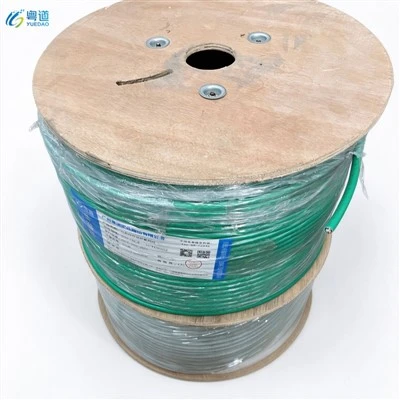
Now, if you’re planning a network build, or wondering about upgrading your current cables, don’t just go by whatever random blog says. We’re here to help—we can assess your environment, recommend the right cable type, give you a realistic lifespan estimate based on your needs, and make sure it’s installed correctly. We don’t just sell cables; we’ve been in this game long enough to know what works in Miami’s salt air vs. Chicago’s harsh winters vs. rural Kansas’s construction chaos. If you’re looking to source reliable comms cables, or have questions about your current setup’s lifespan, hit us up—we’re always happy to chat, no sales pitch pressure, just helping you make the right call for your network.
Industrial Ethernet Cables References:
- Telecommunications Industry Association. (2021). TIA-568.2-D: Standard for Telecommunications Cabling for Customer Premises.
- Fiber Optic Association. (2022). Fiber Optic Cable Installation and Lifespan Guidelines.
- Copper Development Association. (2020). Lifespan of Telecommunication Copper Cables in Underground and Aerial Applications.
- IEEE Communications Society. (2019). Long-Term Performance of Communication Cables in Harsh Environmental Conditions.
Guangzhou Yuedao Industrial Co., Ltd.
Guangzhou Yuedao Industrial Co., Ltd. is one of the most experienced communication cables manufacturers and suppliers in China, featured by quality products and good price. Please rest assured to buy premium communication cables in stock here and get free sample from our factory. We also accept customized orders.
Address: Room 401, 3‑4/F, No.13 Guandao Jinsha Road, Xintang Town, ZengCheng District, Guangzhou
E-mail: yuedao2026@gmail.com
WebSite: https://www.yidcable.com/
