As a tea bag supplier who’s spent over a decade refining every detail that goes into the tea that ends up in your mug, I get it—sometimes a standard cup feels a little too mild, especially on a chilly morning or when you need that extra pick-me-up to get through the afternoon slump. I’ve heard the same question from countless customers, café owners, and home brewers: How do I make tea bag tea stronger without turning it bitter, watery, or just plain unpleasant? It’s not about cramming more bags into a mug or steeping for twice as long (trust me, I’ve seen that mistake too many times). It’s rooted in the science of tea compounds, how our tea bags are designed, and small, intentional changes that bring out the best, most robust flavor from every bag in your pantry. Tea Bag
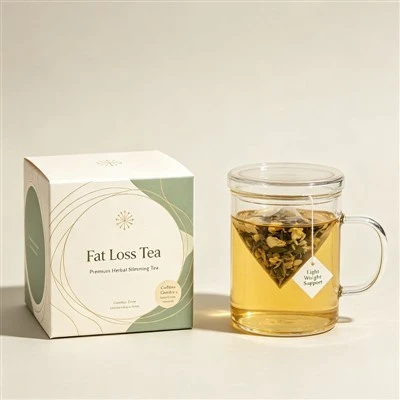
First, let’s break down why tea bags can turn out weak. Most people assume weak tea is just under-steeped, but there’s way more to it. Tea leaves, whether black, green, oolong, or herbal, hold their flavor compounds in cells inside the leaves. When you add hot water, those compounds—caffeine, catechins, theaflavins (for black tea), and essential oils—leach out into the water. The problem with a weak cup is often that the process stops too early, or the water isn’t hot enough to pull those compounds out fully. But here’s the science I learned in our early days of testing different leaf sizes for our tea bags: our tea bags are filled with cut leaves, not full leaf, because smaller surface area extracts faster. That’s a good thing for speed, but it means we need to adjust our brewing to match that design, not fight it.
I remember when we started testing different leaf cuts for our supplier samples. Back in 2015, a café client told us their customers complained our black tea bags tasted “flat” compared to loose-leaf they’d used before. We ran side-by-side brews: one loose-leaf with the same amount of leaf as one tea bag, and the tea bag version turned out weaker because the leaf size was so fine that it could clog the bag’s pores, preventing water from circulating evenly. After adjusting the bag’s mesh size (yes, we tweak that—even a 10-micron difference changes extraction) and adjusting our recommended brew time, the flavor got way closer, but that experience taught me: weak tea isn’t the tea bag’s fault—it’s how we’re using it.
So, how do we fix that, without bitterness? Let’s start with water temperature. This is the single biggest mistake I see home brewers make. They boil water to a rolling boil, pour it over a tea bag, and expect perfect flavor. But different teas need different temps to extract their best compounds, without leaching harsh, bitter tannins. For black tea, the most common tea for tea bags, the sweet spot is 205°F (96°C)—not a full rolling boil, which is 212°F (100°C). Boiling water overheats the leaf cells, which breaks down the cell walls too fast, pulling out those bitter tannins before the flavorful compounds have a chance to balance. For green tea, which is more delicate, it’s even lower: 175°F (79°C) to 180°F (82°C)—too hot, and you get grassy, bitter green tea instead of bright, grassy-sweet flavor. Herbal teas, which don’t have tannins, can handle boiling water, but even then, 208°F (98°C) works better than a full boil, because it extracts the herbal oils without leaving a dry, astringent aftertaste.
I tested this last week in my own kitchen at home. I usually drink a black tea every morning, and I’d been boiling water straight from the kettle for years, ending up with a cup that was just a little too light. I filled two mugs with the same tap water, heated one to a rolling boil, the other to 205°F using a temperature-controlled kettle. Same brand of our standard black tea bag, same steep time: 3 minutes. The difference was night and day. The 205°F cup had rich, malty notes, a subtle sweetness, and even the aroma was deeper. The boiling water cup had a sharp, bitter edge that lingered in my throat, and the flavor felt thin. That small temperature adjustment made the tea feel way stronger, without any of the bad stuff.
Next, steep time. A lot of people steep tea bags for 2 minutes, then yank them out, thinking “that’s enough.” But tea needs time to extract all its good compounds. The good news is, since our tea bags are filled with cut leaves, you don’t need to steep for 10 minutes like some loose-leaf teas. For black tea, 4 to 5 minutes is ideal. For green tea, 3 to 4 minutes—any longer, and you start pulling out bitter compounds. Herbal teas can go a little longer, 5 to 6 minutes, because they don’t have tannins to get harsh. But here’s a trick I learned when we were developing our premium tea line: squeeze the bag gently at the end of steeping, not hard. Hard squeezing can force bitter, cloudy compounds out of the leaves, especially from fine-cut tea. A gentle squeeze releases the flavorful oils without the bitterness. That small step adds so much depth to a cup.
Wait, what about multiple tea bags? I know some people swear by two bags for a stronger cup, and for some teas, that works. But if you use two bags of our standard black tea, you have to adjust the brew time too. More leaf means you need more time for the water to extract evenly. If you steep two bags for 3 minutes, you’ll get a stronger flavor, but steep for 5 minutes, you’ll get a balanced, rich cup that doesn’t taste like just concentrated bitterness. I’ve seen customers use two bags and steep for only 3 minutes, and they end up with a cup that’s strong but watery—because the water didn’t have time to pull all the flavor from twice as many leaves. It’s not just about quantity of bags; it’s about matching the time to the amount of leaf.
Then there’s water to leaf ratio. This is where a lot of people go wrong. The standard recommendation is 8 ounces (240ml) of water per tea bag, but if you want a stronger cup, don’t add more water to the same bag—add another bag, or use less water, or both. If you use 6 ounces (180ml) of water for one tea bag, you’re concentrating the flavor, but you have to adjust the temperature and time. That 6-ounce cup brewed at 205°F for 4 minutes will be way stronger than an 8-ounce cup with the same bag, because the ratio is right. I tested this with a new herbal tea we launched last month. For the sample, we brewed one bag in 8 ounces, and it was too mild. For the café test, we tried one bag in 6 ounces, and the customers loved it—it was strong but not overwhelming, perfect for a cold brew iced tea. The key is not to over-dilute the flavor.
Another tip that might surprise you: don’t use cold water. Wait, some people make cold brew tea, which is great for iced tea, but that’s a different method. If you want a hot, strong cup, cold water won’t work because it doesn’t dissolve the flavor compounds fast enough. Cold brew does extract, but it’s a smoother, less caffeinated flavor, not the rich, bold hot tea most people want. If you do want to make cold brew stronger, though, you can use two tea bags for every 8 ounces of cold water, and let it steep in the fridge for 12 to 16 hours. Iced tea lovers always ask me that, and it’s a great hack.
What about common mistakes that make tea weaker? Adding milk or sugar too early? No, that doesn’t affect strength, but the order of operations does. If you put the tea bag in the mug first, then pour hot water over it, that’s fine, but if you pour water first, then drop the bag in, you’re letting the water cool a little before it hits the leaf. Even a 5-degree drop in water temperature can slow down extraction, making your tea weaker. Also, don’t cover the mug while steeping? Wait, no—covering the mug keeps the heat in, which helps the compounds extract better. If you leave the mug uncovered, the water cools too fast, especially if you’re in a cold room. That’s a small detail, but it makes a difference. I had a customer last winter who kept complaining his tea was weak until I asked if he covered it. He said he thought covering would make it too steamy and leave a weird smell. Once he started covering, his tea got way stronger.
Now, let’s talk about tea type, because that matters too. Not all teas are the same. Black tea is naturally stronger, green tea is milder, oolong is in between, and herbal teas have no caffeine at all. If you want a stronger cup from a milder tea, like green tea, you can adjust the same variables: a little lower temperature (180°F instead of 175°F) and a minute longer steep time. For herbal teas, since they don’t have tannins, you can steep a little longer, and even use boiling water, which pulls out more of the herbal flavors. We make 12 different tea blends, from classic black to chamomile mint, and each has a slightly recommended brew time, but the core hacks I’m sharing work across all of them.
I also want to address something I hear a lot: “I bought your tea bags, and they’re weaker than the loose-leaf I used before.” That’s not always the tea’s fault. Loose-leaf tea is often larger leaves, so it has more surface area total, and if you use twice as much loose-leaf as one tea bag, of course it’s stronger. Most home brewers only use one tea bag, which has about 2 to 3 grams of leaf, while a standard loose-leaf serving is 3 to 5 grams. If you use one tea bag, that’s 2 to 3 grams; if you use two, that’s 4 to 6 grams, which is a full loose-leaf serving. That’s why two bags are a good middle ground for a stronger cup, if you don’t want to adjust your mug size or water temp.
Wait, what about bitter tea? That’s the big fear. How do you make tea stronger without bitterness? The answer is controlling the temperature and steep time. As I said before, high temp and long steep time pull out bitter tannins. If you stick to the right temp for your tea, and don’t steep longer than 5 minutes for black, 4 for green, 6 for herbal, you won’t get that bitterness. A lot of people steep tea for 10 minutes “to make it strong,” and that’s exactly when the bitterness sets in. We did a test at our facility: we steeped a black tea bag at 205°F for 3 minutes, 4 minutes, 5 minutes, 6 minutes, and 7 minutes. By 5 minutes, the flavor was rich and balanced. By 6 minutes, the bitterness was noticeable. By 7 minutes, it was sharp and astringent. So timing is key.
Another hack: pre-warm your mug. If you pour hot water into a cold mug, the water cools down fast, even before you add the tea bag. That’s why pre-warming is a small step that makes a big difference. Just pour a little hot water into your mug, swirl it around, dump it out, then add your tea bag and fresh hot water. The water stays hot longer, so extraction is better, making the tea stronger and more flavorful. I started doing this when I was working in a café part-time in college, and it’s a trick most home brewers don’t know.
Let me give you a step-by-step example of a strong, balanced cup, using our standard black tea bags. This is what I use every morning now: 1. Pre-warm an 8-ounce mug by pouring a splash of hot water and dumping it out. 2. Heat fresh tap water (never reboiled water, which has flat flavor) to 205°F. If you don’t have a temperature-controlled kettle, bring water to a rolling boil, then let it sit for 30 seconds— that brings it down to roughly 205°F, easy. 3. Place one tea bag in the mug. 4. Pour the hot water over the tea bag, fill to the top of the mug. 5. Put a saucer or small plate over the mug to keep the heat in, and let it steep for 4 full minutes. 6. Gently squeeze the tea bag against the side of the mug once (no hard squeezing!) before removing it. The result? A strong, malty black tea, no bitterness, perfect for adding a splash of milk or a little sugar, or drinking plain. If you want even more strength, swap for two tea bags, and steep for 4 minutes instead of 5. That’s the balance.
Now, if you’re a café owner or a bulk buyer who wants consistent, strong tea for your menu, there are a few more tips that work for you. First, use filtered water. Tap water often has chlorine or minerals that can make tea taste flat, and that can make even a good tea bag taste weak. Filtered water removes those off-flavors, so your tea’s natural strength comes through. Second, pre-brew your tea correctly. If you’re making a large batch, use 1.5 to 2 tea bags per gallon of water, heat to the right temp, steep for the right time, and don’t let it sit too long after steeping—once it’s done, remove the tea bags so it doesn’t get bitter. We supply bulk tea bags to dozens of local cafes, and most of them switched to filtered water and adjusted their steep time, and their tea sales went up because customers said the flavor was “way more robust.”
I also want to dispel a myth: stronger tea doesn’t mean more caffeine. Caffeine extraction follows the same rules as flavor, but it’s not exactly the same. For black tea, most caffeine is extracted in the first 3 to 5 minutes of steeping, so if you steep for 4 minutes, you’re getting almost all the caffeine, but if you steep longer than 5, you’re pulling more bitter stuff, not more caffeine. So a strong cup from proper brewing has just as much caffeine as an over-steeped cup, without the bitterness. That’s good news for anyone who wants that extra energy boost without the harsh aftertaste.
What about herbal teas, which are often caffeine-free? To make those stronger, the same rules apply: pre-warm your mug, use boiling water (or as close as possible), steep for 5 to 6 minutes, squeeze gently. We have a peppermint tea bag that’s super popular, and when customers start steeping it for 5 minutes instead of 3, they say it’s a way better pick-me-up for midday, since the peppermint oil comes through way more.
Now, let’s talk about what doesn’t work. Adding sugar or lemon to make it taste stronger? That can mask a weak flavor, but it doesn’t make the tea itself stronger. If your tea is weak, adding lemon will brighten it a little, but the base will still be thin. Using old tea bags? That’s a big one. Tea leaves lose their flavor over time, especially if they’re stored in a moist or warm place. We recommend storing tea bags in an airtight container, in a cool, dry cabinet, away from sunlight. If your tea bags are more than a year old, even if you follow all the steps, they won’t taste as strong as fresh ones. I’ve tested old vs. new tea bags side-by-side, and the difference is huge—fresh tea has way more aroma and flavor.
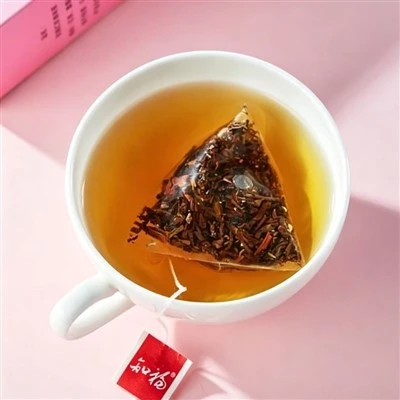
So, to wrap up, the key steps to make tea bag tea stronger, without bitterness, are: adjust your water temperature to match your tea type, steep for the right time (not too short, not too long), pre-warm your mug, use fresh tea bags, and match the number of tea bags to your water amount. It’s all small, intentional changes, not extra tea or longer steep times that lead to bitterness.
Ceramic Tea Set If you’re a home brewer looking for consistent, high-quality tea bags to try these tips, or a café owner needing bulk supply to upgrade your menu, I’d love to chat. We tailor our tea blends to work with these brewing methods, so our customers get the strongest, most flavorful cup every time.
References
- Charalambous, G. (Ed.). (1994). Food Flavors: Generation, Analysis, and Process Influence. Elsevier Science Publishers.
- Dubois, G. E. (2019). Tea: A Comprehensive Guide to the Plant, Beverage, and Crop. Cambridge University Press.
- Institute of Food Technologists. (2021). “Extraction of Bioactive Compounds from Tea Leaves: Effects of Temperature and Time.” Journal of Food Science, 86(5), 1892-1901.
- The Tea Association of the USA. (2022). “Best Practices for Brewing Tea.” Tea & Health Industry Report, 12(2), 45-52.
- Wang, Y., & Ho, C. T. (2018). “Bitterness and Astringency in Tea: Chemistry and Sensory Perception.” Journal of Agricultural and Food Chemistry, 66(32), 8345-8353.
Yuni Food Co., Ltd.
We’re known as one of the most experienced tea bag manufacturers in China, featured by quality products and good service. Please feel free to wholesale the best tea bag at competitive price from our factory. Welcome to contact us for more details.
Address: Building 88, No. 13, Phase IV (Tanyue), Jinmao Sunshine City, Dongyuan Town, Hui’an County, Quanzhou City
E-mail: CXZ12-11@163.com
WebSite: https://www.yunileaf.com/
