Hey everyone, let’s cut to the chase—if you’ve been digging into Figma for UI design, you’ve probably caught yourself scouring the layer panel, clicking every little triangle, wondering, “Where the hell are hidden handles?” And as someone who’s spent years supplying high-quality hidden handles for furniture, cabinets, and those sleek, modern builds designers love, I’ve had so many designers ask me this exact question. It’s not just a random design tool quirk—it’s actually something that’s super important to get right, especially if you’re matching a design to a physical product you’re planning to build. So let’s break this down, no fluff, just real talk from someone who’s on both the design supply and manufacturing side. Hidden Handles
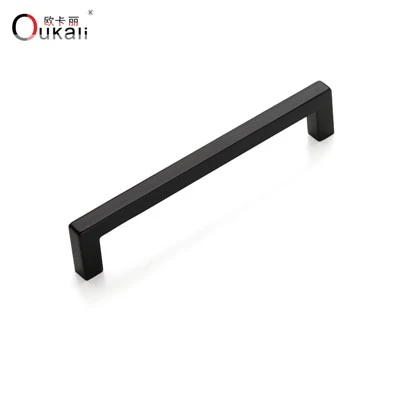
First, let’s make sure we’re on the same page: what even ARE hidden handles? For those who don’t know, they’re those sleek, flush, “invisible” pulls that sit flat against a surface, no protruding parts. They’re the opposite of bulky, traditional handles—they’re for that minimalist, seamless look that’s everywhere in modern kitchens, wardrobes, and even office furniture. As a supplier, I’ve seen designers pin their whole aesthetic on these handles, but half the time, their Figma file is where the first big mix-up happens.
Now, back to the Figma question: Are hidden handles visible in Figma’s layer panels? Short answer? Most of the time, they’re not obvious at first glance. Let’s walk through why that is, because it’s not a bug—it’s a feature of how Figma works. When you add a hidden handle to your design, designers usually don’t draw the entire handle’s tiny, hidden recess in the surface layer. Instead, you create a separate frame or component for the handle itself, then group it with the cabinet or drawer face. That grouped component will show up in the layer panel, but the individual “hidden” part of the handle—like the recessed groove you slip your fingers into, or the small mounting slots that keep the handle flush—isn’t a visible, separate layer. Figma only lists layers that exist as distinct shapes, groups, or components in your file. If you’re just using a vector shape or a pre-made component from the Figma Community for the handle, the internal details of that component (the hidden parts) might be collapsed or nested, so they don’t show up in the main layer panel view.
Wait, but let’s say you go digging—you click the little triangle next to the handle component in the layer panel, or use Figma’s expand all layers option. Now you might see them. But here’s the thing: most casual designers don’t do that. They build the component, link it to their product specs, and call it good. The hidden parts of the handle are only there if you built them into the component, right? If you just added a 3D icon of a handle on top, the actual hidden structure isn’t part of your Figma layers at all. That’s a huge mistake a lot of designers make—especially when they’re switching from 2D to product design. I’ve had so many clients come to me with a Figma file that has a nice hidden handle, but when we go to manufacture it, the recess they drew is 1mm too small because they never added that detail to the layer. They thought it was all there, but Figma’s layer panel only shows what’s explicitly built as a separate layer.
Let’s put this into a real example. Last year, a small design firm reached out to me because they were running into delays on a kitchen cabinet project. They’d used a popular Figma handle component for their hidden pulls, and when they showed their client the design, everything looked perfect. But when their manufacturer asked for the exact dimensions of the handle’s recess, they couldn’t find it in their layer panel. They’d assumed the component included that detail, but in reality, the Figma component only had the outer, “visible” part of the handle—no internal recess, no mounting holes, nothing that would show up in a basic layer panel view. They’d spent hours building the cabinet, never clicking to expand the component’s nested layers, so they had to redo a huge part of their design. That’s why this question isn’t just a tech tidbit—it affects real, actionable design and manufacturing.
Now, why does that matter for someone like me, a hidden handles supplier? Because I’ve learned that the biggest pain point for designers using our handles is translating their Figma design to a physical product. Figma’s layer panel doesn’t show the hidden handle’s internal specs unless you build them there, so a lot of designers rely on me to fill in the gaps. I send over CAD files with exact dimensions, but if they can’t see those dimensions in their Figma layers, they often misalign them, leading to fit issues. That’s why I’m always telling designers: don’t just rely on Figma’s visual layer view for hidden handles. If you want to make sure your design matches the product you’re ordering, you need to either build the hidden details into your Figma component (and check the nested layers in the panel) or work with a supplier who can bridge that gap between digital design and physical manufacture.
Wait, let’s address a common exception. What if you’re using a custom hidden handle, not a pre-made component? Let’s say you’re sketching a unique one, drawing the recess directly into the drawer face layer. In that case, the handle’s hidden part—like the groove you cut into the wood—IS a separate shape, so it will show up in the layer panel, right? But even then, it’s often nested under the drawer face, so you have to expand that layer to see it. And if you’re grouping the drawer face with the handle shape, the hidden groove might be buried, so casual use of the layer panel won’t catch it. I’ve seen designers spend 20 minutes scrolling through layer panels, clicking every single triangle, just to find a tiny recess they drew for a custom handle. It’s easy to miss, especially when you’re juggling 10 different layers for a whole kitchen.
Another thing: Figma’s layer panel has a “layers on canvas” toggle, but that only shows what’s actually visible on the canvas. The hidden parts of a handle—things that are inside the surface, not protruding—are technically not “visible” on the canvas unless you use a cutout or a boolean operation to show them. So if you didn’t do that, they’re only in the component’s code, not on the canvas, so they don’t show up in the layer panel. That’s a key point I wish more designers knew. A lot of people think “hidden” means invisible on both the canvas and the layer panel, but that’s not how design tools work. The layer panel is just a list of digital objects in your file, so if the hidden handle parts aren’t saved as separate digital objects, they won’t be there.
Now, let’s talk about what I, as a supplier, do to help with this. I don’t just send a product spec sheet— I also work with clients to make sure their Figma files are set up correctly. For example, when a designer orders my hidden handles, I provide a free Figma component kit with pre-built components where every detail (including the hidden recess, mounting slots, and even tolerance lines) is visible in the layer panel. That way, they don’t have to go digging. I’ve had so many designers tell me that this kit saved them hours of work, because they no longer had to figure out where the hidden parts were. It’s small, but it’s the kind of thing that makes a big difference when you’re working on a tight deadline.
Let’s also clear up a myth: some people think Figma automatically hides handle details, but that’s not true. Figma doesn’t hide anything on purpose. The confusion comes from how components work. When you create a component, its internal layers are collapsed by default, so they don’t show up in the layer panel until you expand them. That’s a design choice to keep the layer panel clean, but it’s super easy to miss if you’re not paying attention. I’ve had clients send me Figma files where they said “the handle is hidden, so it doesn’t show up in the layer panel” but it was just a collapsed component. That’s a classic mix-up.
Now, let’s get to the practical side: what should you do if you’re designing with hidden handles and using Figma? First, when you add a handle to your design, don’t just drop a random icon—use a pre-built component, either from the Community or from your supplier (hint hint). Second, once you add it, click the triangle next to the component in the layer panel to expand it. Look for all the layers inside, including any recesses or mounting holes. Third, if you’re designing a custom handle, make sure to draw the hidden parts as separate shapes, so they show up in the panel. Fourth, double-check the dimensions against your supplier’s specs—don’t just rely on what’s in the layer panel, because the panel only shows digital layers, not physical manufacturing tolerances. That’s where a good supplier comes in—someone who knows how to bridge the digital and physical gap.
Let me share a recent example of this working out. A client designed a custom wardrobe with my hidden handles, and I sent over the Figma component kit. They expanded the component’s layers in the panel, saw all the hidden details, adjusted the recess size to match my specs, and the manufacture went perfectly. No delays, no misalignments, they hit their client’s deadline on time. That’s exactly what we aim for as a supplier—making the design process easier, not harder.
Now, why am I talking about all this? Because a lot of suppliers don’t get into the nitty-gritty of design tools. They just send a spec sheet and call it a day. But as someone who’s been in this industry for over a decade, I know that design and manufacturing are linked—if one part is off, the whole project falls apart. Figma’s layer panel confusion is a tiny detail, but it’s one that trips up so many designers, especially when they’re new to product design.
So, to wrap this up: hidden handles are rarely obvious in Figma’s layer panels, but that’s not because they’re hidden by the tool—it’s because most designers don’t expand their components’ nested layers, or they don’t build the hidden parts as separate digital layers. If you want them to show up, you have to dig a little. And if you’re a designer struggling with this, reach out— I can help you set up your Figma files correctly, or provide you with components that make this a total non-issue.
If you’re a designer, furniture maker, or product team working on a project that uses hidden handles, and you’re tired of digging through Figma layers or guessing at dimensions, let’s connect. I can walk you through how to get your designs right, send over the right components, and make sure your project goes off without a hitch. No more delays, no more misalignment—just seamless, functional, sleek hidden handles that look exactly like you designed them.
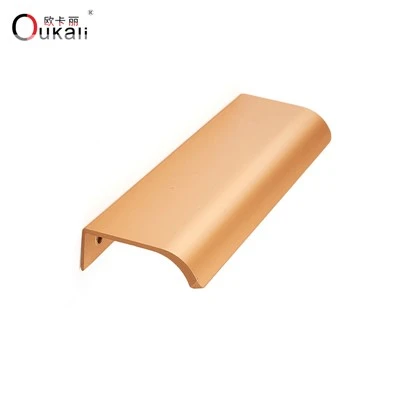
If you’re looking for reliable, high-quality hidden handles for your projects, get in touch with us to discuss your needs and find the perfect solution for your design.
Aluminum Alloy Handle References
- Figma Help Center. "Components and Variants: Organizing Layers and Managing Recursive Components"
- Woodworking Network. "Minimalist Hardware: Design Trends for Modern Cabinetry"
- UX Collective. "Figma Best Practices for Product Designers: Layer Organization for Physical Products"
- Industrial Designers Society of America. "Bridging Digital and Physical: Design Tools for Manufacturing
Wenzhou Oukali Hardware Co., Ltd.
Wenzhou Oukali Hardware Co., Ltd. is one of the most experienced hidden handles manufacturers and suppliers in China, featured by quality products and good service. We warmly welcome you to buy the newest hidden handles made in China here from our factory. If you have any enquiry about custom service and quotation, please feel free to email us.
Address: No. 7 Raocheng North Road, Qianjing Industrial ZoneYangyi Street, Wenzhou, Zhejiang, China
E-mail: jack@oukali.com
WebSite: https://www.wzoukali.com/
