If you work in CNC machining, you probably know the turn mill center is the Swiss Army knife of machine tools—combining turning and milling operations in one setup to cut down on part handling, reduce errors, and speed up production. But if you’ve ever tried picking the right one for your shop, the bed design might not be the first thing you think of—until you realize it’s the backbone of how the whole machine performs. As a turn mill center supplier, I’ve seen firsthand how a bad bed design can turn a promising job into a nightmare: chatter, misaligned cuts, even premature breakdowns. Today let’s break down the different bed designs you’ll run into, no jargon overload, and how each fits your shop’s needs. Turn Mill Center
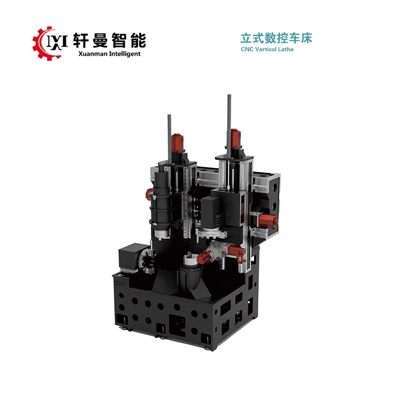
First, let’s get the basics straight: the bed is the rigid, metal base that supports all the moving parts of the turn mill center—spindles, carriages, turrets, the whole works. It’s usually cast from iron or welded steel, but the shape and construction change everything. The first common type you’ll see is the Flat Bed. This is the simplest, most budget-friendly option, right? Flat beds are basically a thick, flat block of cast iron with linear guideways bolted directly to the top surface. Think of it like a big workbench with rails on it. Why would a shop pick this? If you’re mostly doing light to medium turning work—like small auto parts, fasteners, or general prototype milling—this gets the job done. They’re easier to manufacture, so turn mill centers with flat beds don’t cost as much, which is a big plus for smaller job shops or startups on a tight budget. But wait, they have a catch: because the guideways are flat, there’s more room for dirt, swarf (that’s the metal shavings we make when machining), and coolant to get between the bed and the moving parts. Over time, that grime can cause wear, which leads to less accuracy. And if you’re doing heavy cuts—like turning a thick steel shaft or milling a large block—the flat bed can flex a little, right? No matter how thick it is, rigidity isn’t its strong suit. I’ve had customers come to me after buying a cheap flat bed turn mill center, complaining that their 10-inch diameter steel parts were coming out with tapered cuts. Nine times out of ten, it was bed flex. So flat beds are great for low-stakes, high-volume small parts, but not for heavy-duty work.
Next up, we have the Slant Bed. This is the design that most mid-sized to heavy-duty turn mill centers use, and for good reason. Instead of a flat top, the bed is angled—usually 30, 45, or 60 degrees from horizontal. Why the angle? First, swarf and coolant don’t just sit on the bed—they slide right down the slant into the chip conveyor, which is usually tucked at the bottom of the bed. That means less buildup on the guideways, way less wear, and easier cleanup for your shop. Second, the slant shape adds a ton of rigidity. The way the metal is cast, it distributes the weight of all the moving parts—even heavy cuts—evenly across the base, so there’s almost no flex. I’ve seen a slant bed turn mill center machine a 12-inch solid titanium shaft without a single taper, whereas a flat bed would have bounced the tool and left a visible error. Another bonus: the turret is mounted on the slant, so it reaches closer to the center of the main spindle, which gives you better access for milling operations, especially when you’re working on long parts. The downside? Slant beds are more complex to cast and machine, so turn mill centers with slant beds cost a bit more than flat bed models. But if you’re doing a mix of turning, milling, and heavy jobs, the extra cost is worth it for the accuracy and longevity. Pro tip: go for a 45-degree slant if you’re balancing chip management and rigidity—60-degree is stiffer but can be a little tight for loading large parts, 30-degree is easier for part loading but traps more swarf than steeper angles.
Wait, there’s a variation of the slant bed that’s super popular right now, especially for shops doing high-mix, low-volume work. Let’s call it the Box Way Slant Bed. No, I’m not making that up—box ways are a different type of guideway structure. You know the slant bed’s linear rails? Box ways are like hollow, rectangular rails that fit over the guide, creating a sort of enclosure. They add even more rigidity for heavy loads, which is why you see these on big turn mill centers for aerospace parts, like jet engine components or turbine blades. But they’re also heavier, so the machine takes longer to settle if you’re setting it up on a shop floor that has vibration from other machines. That’s a key point—if your shop is in a space with lots of nearby lathes or mills, a box way slant bed might hold up better to that external vibration than a linear rail slant bed. The tradeoff is speed: linear rails are smoother, so they can move faster, which is great for high-volume parts, while box ways are slower but more stable for heavy cuts. I had a customer in the oil and gas industry come to me two years ago, they needed to machine large drill parts that weighed 500 lbs each—box way slant bed was the only thing that kept the cuts consistent across multiple parts, no matter the load. If they’d gone with a linear rail slant bed, they would have had too much play when moving the heavy drill bit, leading to scrap parts.
Now, if you’re doing a lot of mill-heavy work, not just turning, you might run into the Inclined Bed (sometimes called a Vertical Slant Bed). This one’s angled even more—like 70 to 80 degrees, almost vertical. The idea here is to get better access to the turret and the spindle, so you can reach around big workpieces easier when milling complex features, like pockets or holes on multiple sides. It also keeps swarf and coolant moving way more effectively than a flat or even a 45-degree slant bed, because gravity’s doing all the work to pull shavings away from the machining area. But there’s a big downside: loading and unloading parts is harder, because the bed is almost vertical. You need a robot or a bigger part loader if you’re automating, which adds cost. So this bed design is mostly for shops that do dedicated mill-heavy jobs, not general turn mill work. For example, a shop that only makes automotive engine blocks would benefit, because they’re milling far more than turning, but a custom job shop that does a little bit of everything would probably not want the hassle of part loading with an inclined bed.
Wait, let’s not forget about the Welded Steel Bed. Most of the beds I’ve talked about so far are cast iron, right? But welded steel beds are growing in popularity, especially for mid-range turn mill centers. Instead of pouring molten iron into a mold, you weld thick steel plates together to make the bed. They’re lighter than cast iron, which makes the whole machine easier to move and install, and they have really good damping properties? No, wait—actually, cast iron is better for damping vibration, which is good for smooth cuts. But welded steel beds are cheaper to produce, especially for non-standard sizes. And if you’re doing lighter work, the vibration difference is negligible. I’ve seen welded steel beds hold up for years in shops that machine aluminum parts, which don’t require as much rigidity as steel or titanium. The catch is, over time, welded steel can warp if it’s exposed to extreme temperature changes on the shop floor—like if your ac cuts out in the summer and the bed gets unevenly hot. Cast iron holds its shape way better, so if your shop has temperature fluctuations, stick with cast iron.
Now, let’s talk about how to pick the right bed design for your shop, because at the end of the day, it’s not just about what’s trending—it’s about your work. First, ask yourself: what’s your typical part size and weight? If you’re machining parts under 10 lbs, flat bed might work, but if you’re going over 100 lbs, skip the flat bed, that flex will kill your accuracy. Second, what operations are you doing most? 70% turning, 30% milling? Slant bed. 70% milling, 30% turning? Inclined bed. Third, what’s your shop floor like? If you have multiple machines nearby causing vibration, box way slant bed is worth the extra cost, otherwise linear rail slant is faster and cheaper. And don’t forget about long-term costs: a flat bed might be cheaper upfront, but if you’re replacing parts every two years from swarf wear, you’ll end up paying more than a slant bed that lasts 10+ years.
As a turn mill center supplier, I can’t tell you how many times customers get fixated on specs like spindle speed or power, and skip the bed design—until they run into problems. Last year, a guy came to me with a $50k flat bed turn mill center he bought online, complaining that all his parts were tapered. I showed him the bed: it had a tiny warp from casting, and the guideways were already worn from swarf buildup, because he never cleaned it. A slant bed would have solved both issues, but he didn’t know to ask. That’s why bed design matters—it’s not a trivial part, it’s the foundation of every cut your machine makes.

If you’re in the market for a turn mill center and you’re not sure which bed design fits your work, feel free to reach out to chat through your needs. No pushy sales pitches, just honest talk about what will work for your shop, not what has the highest markup. We can walk through the different designs, how they perform for your typical parts, and what fits your budget. At the end of the day, the best turn mill center is the one that makes your parts on time, with no scrap, and doesn’t leave you fixing it every other month.
Slant Bed Lathe References
- Smith, J. (2021). CNC Machine Tool Foundations: Bed Design and Structural Rigidity. Industrial Manufacturing Press.
- Turner, R. (2019). Comparative Analysis of Flat vs Slant Bed Turn Mill Centers. Journal of Machine Tool Engineering.
- Global Machining Association. (2022). Shop Floor Best Practices for Turn Mill Center Maintenance. Manufacturing Industry Guidelines.
Jiangsu Xuanman Intelligent Equipment Co., Ltd.
We’re well-known as one of the leading turn mill center manufacturers in China, featured by quality products and low price. Please rest assured to buy discount turn mill center made in China here from our factory. We also accept customized orders.
Address: No. 1-1, Weier Road, Jieji Equipment Manufacturing Industrial Park, Sihong County, Suqian City, Jiangsu Province, China
E-mail: jsxmzn@163.com
WebSite: https://www.xm-cnc.com/
