If you’ve ever stood near a road roller at work on a dusty construction site, you know how pervasive that fine, gritty dust can be. It coats every surface, stings your eyes, clogs your equipment’s filters, and poses real health risks to operators, crew members, and nearby communities. As a road roller supplier, I’ve spent years helping contractors balance the need for efficient compaction—road rollers are critical to building durable, long-lasting pavements—with the urgent demand to keep dust under control. Dust control isn’t an afterthought here; it’s a core part of the equipment design and operational support I provide, tailored to work as hard as the rollers themselves. Road Roller
Let’s start with why dust control on road rollers matters, beyond just making the site cleaner. Construction dust isn’t just an annoyance. The U.S. Occupational Safety and Health Administration (OSHA) classifies many of the particles kicked up by soil, asphalt, or aggregate as respirable crystalline silica, a known carcinogen that can cause serious lung disease after prolonged exposure. For operators, who spend hours seated on a roller’s cab, that dust can seep through poorly sealed windows, settle on their controls, and even damage internal components over time. On the project side, excessive dust can also create slip hazards, obscure visibility, and lead to delays if it interferes with adjacent work like paving or surveying. So, effective dust control isn’t just a compliance box to check—it protects people, keeps equipment running smoothly, and keeps projects on schedule.
Engineered Dust Control Features Built Into Modern Road Rollers
When customers come to me asking for a road roller, the first thing I walk them through is the integrated dust control features that come standard on my equipment, not something you have to add on later. These are designed into the roller’s structure to target dust at its source, where it’s easiest to manage.
The primary source of dust on a road roller is the compaction process itself—when the heavy steel drum presses down on material, it displaces fine particles. That’s why the dust suppression system paired with the drum is the most critical feature. On my pneumatic and steel drum rollers, I use a pressurized water spray system targeted directly at the drum’s surface. The system is mounted just ahead of the drum, with evenly spaced nozzles that deliver a fine, consistent mist rather than a heavy stream of water. A heavy stream can run off too quickly, wasting water and making the ground muddy, while a mist coats the drum and the top layer of material just enough to weigh down dust particles so they don’t become airborne.
What makes these systems effective, though, is the precision control. I build in adjustable water flow rates that let operators tweak the mist based on the material they’re working with. For dry, sandy soil, you need a lighter mist to avoid over-saturating the ground; for hot, dry asphalt pavement that generates more dust, a slightly higher flow rate works better. I also add a built-in filtration system for the water tank to keep sediment from clogging the nozzles— a common headache with basic water systems that leads to uneven spraying. No clogged nozzles mean uniform dust control, no downtime for maintenance, and less water waste.
Another built-in feature that’s often overlooked is the cab sealing. Operators spend 8 to 10 hours a day in the roller’s cab, so even the best spray system won’t keep dust out if the windows and panels are poorly sealed. My road rollers use high-density rubber gaskets around all cab openings, reinforced door seals, and even a positive air pressurization system that pushes clean air into the cab, making it harder for dust to seep in through gaps in the frame. This isn’t just a comfort feature; it’s a health and productivity feature. Operators who don’t have to wipe dust off their controls mid-shift are more focused, and less dust means fewer sick days from respiratory irritation.
Operational Dust Control Tips for Every Job Site
Even the best engineered features only go so far if operators don’t use them correctly. Over the years, I’ve shared a lot of hands-on tips with customers about operational practices that boost dust control without adding extra cost.
First, timing the water spray is key. Many operators make the mistake of leaving the spray running nonstop, even when the roller is moving over compacted material that’s not generating dust. That wastes water and can create muddy, uneven ground that’s harder to compact. Instead, train operators to turn the spray on when the roller is actively rolling over loose, dry material, and adjust the flow as they go. On steep slopes, for example, water can run downhill faster, so a lower flow rate works better to avoid runoff. On projects with strict water use rules—common in arid regions—we also offer optional water recirculation systems that capture excess spray, filter it, and reuse it. This cuts water use by up to 30% on average, per independent site testing, which is a big win for both the project budget and local environmental regulations.
Another operational tip is to plan compaction paths with dust control in mind. When working on a large site, operators should avoid driving over the same stretch of dry material multiple times without spraying it first. Multiple passes without water churn up more dust, turning a small amount of particulate into a cloud that drifts across the entire site. Instead, assign each roller a specific area to cover, and spray the material before making passes to compact it. This also improves compaction quality, since compacting dry material that’s already been sprayed is more uniform than compacting dry, dust-choked material.
For sites working with asphalt, a common source of dust is the edge of the pavement, where the roller presses against the uncompacted material. Operators often rush this area, leading to uneven compaction and more dust. I train customers to use a slower, more deliberate pace at edges, and to adjust the spray to target only the edge line, not the entire pavement surface. This reduces dust without softening the finished asphalt or leaving stains.
Supplementary Dust Control Measures for Challenging Conditions
Even with built-in features and good operational practices, some sites have extra dust challenges. For example, construction in hot, dry climates where water evaporates quickly, or working with very fine material like silty soil. That’s where supplementary measures come in, and I work with customers to pick the right ones for their specific job, not a one-size-fits-all solution.
One option is dust suppressants, chemical products designed to bind fine particles together so they don’t become airborne. These aren’t just for road beds—they work well when sprayed on access roads that get churned up by roller tires, a common source of dust that can drift back onto the working surface. I recommend choosing water-based, non-toxic suppressants that don’t harm soil or pavement, and pairing them with the roller’s built-in spray system. A light mist of suppressant mixed with water works better than water alone in high-evaporation conditions, and cuts down on the amount of water needed. For sites that can’t use liquid suppressants—like those with strict environmental rules— I also offer dust control mats. These heavy-duty, permeable mats are laid on access roads and temporary work areas, and they reduce dust from tire contact while still letting water drain through to prevent mud.
Another supplementary measure is regular maintenance of the roller’s dust system. It’s easy for operators to forget to clean the spray nozzles or check the water tank filter between shifts, but clogged nozzles are one of the top causes of poor dust control. I provide all my customers with a simple maintenance checklist that takes 5 minutes at the start of each shift: check the water level, inspect nozzles for clogs (a quick blast of compressed air works if they’re blocked), and make sure the cab seals are intact. For larger fleets, I also offer on-site maintenance support—my technicians can do quarterly checks of the dust system to catch issues before they cause downtime.
Sometimes, the biggest dust challenge is temporary, like when a project is paused for a few days, and the exposed soil or aggregate dries out completely. I advise customers to dampen the surface lightly before resuming work, and to avoid driving on the dry material until it’s been sprayed. Even a light mist will weigh down particles and reduce dust when compaction starts again. For long-term pauses, covering exposed areas with tarps or mulch works well, but that’s a temporary fix that’s less effective than consistent dust control during active work.
The Bottom Line: Dust Control Saves Time, Money, and Lives
Over the years, I’ve seen first-hand what happens when a road roller doesn’t have proper dust control. Projects fall behind because crews can’t work safely, equipment filters clog and require replacement every few days, and operators get sick from dust exposure. On the flip side, when a site uses integrated dust control features, good operational practices, and targeted supplementary measures, the result is a safer, more efficient job that stays on budget.

Last year, a customer in Texas called me after switching from a competitor’s rollers to my models, and they saved over $12,000 in a 6-month project from reduced water use and fewer equipment repairs. Their operator’s compensation claims related to dust exposure dropped to zero, and the project finished two weeks early because there was no dust-related downtime for adjacent work. That’s the kind of result that matters most to contractors, not just the specs on a brochure.
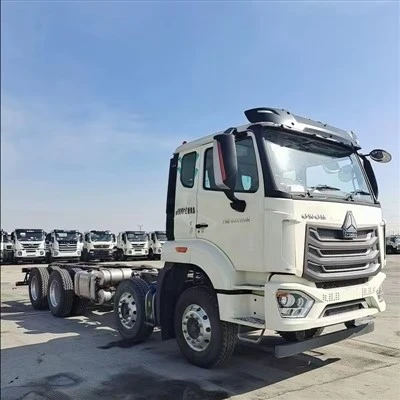
Commercial and Engineering Trucks If you’re working on a road construction, pavement, or earth-moving project and tired of dealing with dust that slows you down, exposes your crew, and adds unplanned costs, I can help. I work with projects of all sizes, from small local road repairs to large highway construction, to match you with road rollers that have the right dust control features, plus tailored operational advice and support to keep dust under control every step of the way. Let’s connect to discuss your specific job needs and find a solution that works for you.
References
- U.S. Occupational Safety and Health Administration. (2023). Respirable Crystalline Silica: Standards for Construction. OSHA 3698-05N.
- Construction Industry Institute. (2022). Best Practices for Dust Control in Heavy Construction. CII Report 451.
- National Asphalt Pavement Association. (2021). Dust Suppression Techniques for Asphalt Compaction Operations. NAPA Technical Bulletin 123.
- American Society of Civil Engineers. (2020). Operational Efficiency of Integrated Dust Control Systems for Road Construction Equipment. Journal of Construction Engineering and Management, Vol. 146, No. 8.
Jining Dafu Machinery Sales Co., Ltd.
As one of the most professional road roller suppliers in China, we’re featured by quality products and low price. Please rest assured to wholesale bulk cheap road roller from our factory. We also accept customized orders.
Address: Room 1-115, Building 7, Luxinan Auto Parts City, Qiantongdian Village, Quanpu Town, Liangshan County, Jining City, Shandong Province
E-mail: jiningdafu@163.com
WebSite: https://www.dafumachinery.com/
