Venting a range hood fan through an exterior wall is one of the most critical steps in installing a kitchen exhaust system—skip the details, and you’ll end up with poor air quality, grease buildup, or even moisture damage that can shorten your fan’s lifespan. As a range hood fan supplier with over 12 years in the industry, I’ve seen more than my share of botched wall vent installations, and most mistakes come from missing key requirements that aren’t always obvious in generic install guides. Today, I’m breaking down exactly what you need to get this right, from code compliance to material choices that matter. Range Hood Fan
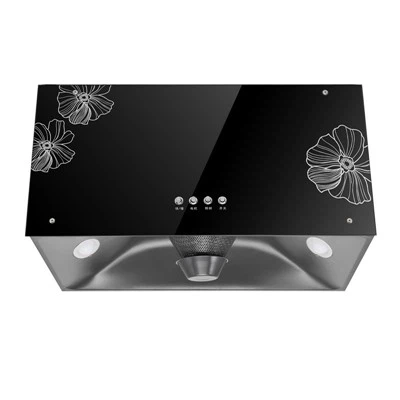
First, let’s start with the basics: why venting through a wall is different from venting through the roof. Roof vents rely on stack effect to pull air out, but wall vents work on direct airflow, so they’re more sensitive to obstacles in the path, outside weather conditions, and the integrity of your ductwork. Before you even pick up a drill, you need to nail down non-negotiable requirements that apply to every setup.
The first requirement is code compliance. This is non-negotiable, and it’s where a lot of DIY installers (and even some handymen) cut corners. Local building codes vary by region, but almost all jurisdictions mandate that range hood vents must terminate to the exterior of your home—no venting into an attic, crawlspace, or garage, no exceptions. Venting into an unconditioned space traps grease, moisture, and cooking odors, which can lead to mold growth, pest infestations, and even fire hazards from accumulated grease. I’ve had customers come to us after a bad DIY install where grease seeped into their attic insulation, and the fix cost twice as much as a proper wall vent installation.
Beyond termination location, most codes specify duct diameter and length. For a standard 30-inch range hood fan (the most common size for home kitchens), the duct should be 6 inches in diameter. If you go smaller (like 5 inches), airflow decreases by up to 30%, making your fan work twice as hard and reducing its efficiency. Too big (7 inches or more), and you lose suction because the airflow spreads too much. That said, if your fan is a commercial-grade model for a larger kitchen, you’ll need a 7-inch duct—always check your fan’s manual for the exact diameter.
Duct length is another code requirement. As a general rule, the total length of your duct runs should not exceed 25 feet, and you can add 1 foot of length to that total for every 90-degree elbow, ½ foot for every 45-degree elbow, and 2 feet for any branch duct. Elbows are a major airflow killer, so try to limit them to two or less in a wall vent setup. If you need more than that, you may need a higher CFM (cubic feet per minute) fan to compensate, or a duct booster—something we supply, by the way, because we know how important it is to match fan power to your ductwork.
Next up: wall vent specifics. How you cut the hole and install the vent cap makes a huge difference in performance and durability. First, you need to align the hole with the studs in your exterior wall, especially if your wall is made of wood or vinyl siding. If you’re drilling through brick or concrete, you’ll need a masonry bit, and you should hire a professional if you’re not comfortable with that—misaligned holes can lead to water leaks that cause structural damage. The hole should slope slightly downward (about ¼ inch per foot) toward the exterior. This might seem small, but it’s critical for preventing water from seeping into your home through the vent. If the hole slopes inward, rain and melting snow will run down the duct and into your kitchen, leading to water damage and mold.
The vent cap itself is non-negotiable. Never use a plain pipe end sticking out of the wall. A proper wall vent cap has a backdraft damper to keep outside air, pests, and debris from getting in when your fan isn’t running. I’ve seen customers install cheap caps that get clogged with leaves, bird nests, or snow, which stops airflow completely. Look for a cap with a durable build—aluminum or stainless steel is better than plastic, which can crack or warp in extreme temperatures. Some caps also have a mesh screen to keep small animals out, which is a must if you live in an area with squirrels, birds, or rodents.
Duct material is another key requirement. Most codes specify that you can’t use flexible duct (the foil kind with wire inside) for the entire run, though some allow a short segment near the hood to accommodate minor movement. Wait, let me clarify: flexible duct is not recommended for direct vent runs because it restricts airflow. If you use flexible duct, make sure it’s labeled “semi-rigid” and don’t stretch it tight, as that can crimp the edges and reduce airflow. The best choice for wall vents is rigid metal duct—aluminum or galvanized steel. It’s smoother, so less airflow resistance, and it doesn’t trap grease like flexible duct, which makes it easier to clean and reduces fire risk. Never use plastic duct—it can melt from high cooking temperatures, and it’s not approved for venting range hoods in most codes.
Sealing is the final non-negotiable for a proper wall vent install. Every joint in the duct, from the hood to the wall cap, needs to be sealed with metal duct tape or HVAC mastic—no regular packing tape or silicone caulk. Silicone caulk can break down over time from heat and grease, leaving gaps that reduce airflow and let in outside air. Metal duct tape is heat-resistant and will last for years, and mastic creates a stronger, more permanent seal. If you’re running the duct through the wall, you also need to seal the gap between the duct and the wall with expanding foam or weatherstripping to prevent air leaks. A 2020 study by the Home Ventilating Institute (HVI) found that air leaks in ductwork can reduce range hood performance by up to 25%, so sealing properly isn’t just a recommendation—it’s a performance requirement.
Now, let’s talk about common mistakes we see as a supplier, and how to avoid them. One big one is installing the vent too low on the wall, or too close to other objects. The HVI requires that wall vents be at least 12 inches away from any windows, doors, or other wall openings to prevent exhaust air from being pulled back into the kitchen. They also need to be at least 10 feet above the ground or any adjacent surfaces, like a patio or deck, so exhaust fumes don’t bother anyone outside. If you put the vent too high, you risk it getting blocked by eaves or roof overhangs, which can cause moisture buildup.
Another mistake is skipping grease removal. A range hood fan’s job is to pull out grease, and if the vent system doesn’t have a way to catch that grease, it will build up in the duct and create a fire hazard. All range hoods should have a grease filter, but if you’re venting through a wall, make sure the duct is cleaned regularly—at least once a year, or more often if you cook a lot of fried or greasy foods. We supply commercial-grade cleaning kits and grease filters specifically designed to work with our wall vent systems, because we know that maintenance is part of a long-lasting installation.
What about for different home types? If you live in a mobile home, there are additional requirements. Mobile home walls are thinner and often have different framing, so you’ll need a vent cap specifically designed for mobile home exteriors, and you may need to reinforce the wall around the duct to prevent it from pulling loose. For brick homes, you’ll need a vent adapter that fits through the brick mortar joints, or a masonry wall vent kit, to make sure the seal is tight and water can’t seep in. Vinyl siding homes require special tools to cut the siding without damaging it, and a vent cap that fits flush with the siding to avoid gaps.
As a supplier, we also emphasize testing after installation. Once your wall vent is installed, turn on your range hood fan and hold a piece of paper near the vent cap. If the paper is pulled firmly against the cap, that means airflow is good. If it doesn’t move, or only moves a little, you have a leak or a blockage somewhere in the duct. You can also use a manometer to measure static pressure—your fan’s manual will tell you the ideal range, and if it’s too high, you need to fix your ductwork to reduce airflow restriction.
So to wrap up, the core requirements for venting a range hood fan through a wall are: comply with local building codes for termination location and duct size, use rigid metal duct (or properly installed semi-rigid duct) to minimize airflow restriction, slope the exterior wall vent cap downward to prevent water damage, seal all joints with heat-resistant duct sealant, and install a backdraft damper and pest screen on the vent cap. Skip any of these, and you’ll end up with a fan that works harder than it should, causes moisture damage, or even becomes a fire hazard.

If you’re planning to install a wall vent for your range hood fan and aren’t sure which components are right for your setup, or if you’re ready to upgrade your existing vent system, our team is here to help. We can guide you through code requirements, recommend the right duct size and vent cap for your home, and answer any questions you have about installation or maintenance. Don’t risk a bad vent job that leads to costly repairs—reach out to us to discuss your project.
High Speed Fan References
Home Ventilating Institute (HVI). 2021. Residential Kitchen Ventilation Standards.
International Residential Code (IRC). 2021. Chapter 15: Mechanical Ventilation.
United States Fire Administration (USFA). 2019. Kitchen Fire Safety: Grease Buildup Prevention.
Ashrae. 2020. Ventilation for Acceptable Indoor Air Quality.
Shengzhou Geeking Electric Appliance Technology Co., Ltd.
We’re well-known as one of the leading range hood fan manufacturers and suppliers in China. With abundant experience, we warmly welcome you to buy bulk discount range hood fan in stock here and get free sample from our factory. Quality products and low price are available.
Address: No. 19, Putian Avenue, Pukou Subdistrict, Shengzhou City
E-mail: 13588516010@163.com
WebSite: https://www.geekingfan.com/
