Hey everyone, if you’re here, chances are you’ve got a beat-up plastic crate sitting around that you’d normally toss—or maybe you’re a warehouse manager like us who’s seen way too many perfectly good crates get written off for a tiny crack. Let’s be real: plastic crates are workhorses for moving produce, shipping parts, storing inventory, even hauling gear for tailgates or camping. But when they crack or split, it doesn’t have to be a trip to the dumpster. As a plastic crate supplier, we see the damage all the time, and we’ve tested every fix under the sun to figure out what actually works (and what’s just a waste of time). No fluff here—let’s break this down like we chat with our customers every day. Plastic Crate
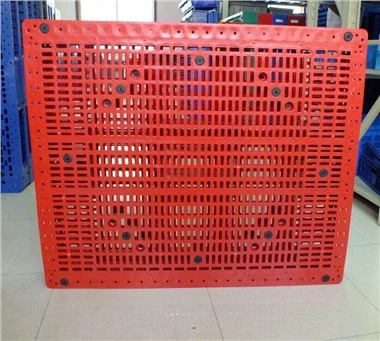
First, let’s get the basics out of the way: why do plastic crates break anyway? Most crates we supply are made from HDPE (high-density polyethylene) — it’s tough, flexible, and resistant to moisture and chemicals, perfect for all kinds of use cases. But it’s not indestructible. Cracks usually come from overloading (way more weight than the crate was rated for), dropping a heavy load on a sharp edge, or leaving it out in the sun too long (UV rays make HDPE brittle over time). Some people try using super glue or duct tape, but let’s save you the trouble: those fixes will fall apart in a week, especially if the crate’s going back to hauling heavy stuff. The good news is, most minor to mid-level damage is totally repairable, no fancy tools needed.
Before you start any repair, you’ve got to prep the right way. Skipping prep is why so many fixes fail. Here’s what you need: a clean work surface, rubbing alcohol or dish soap, a rag, sandpaper (80-grit for rough spots, 220-grit for smoothing), and depending on the repair method you pick, either a heat gun, a propane torch (but be super careful—no open flames near flammable materials), or a two-part plastic welding epoxy made specifically for HDPE. Wait, not all epoxies work! A lot of regular adhesives don’t bond to HDPE because it’s non-porous, so double-check the label says it’s for polyethylene. Also, stop what you’re doing if the damage is a big split in the load-bearing edges (the parts that hold up the weight when stacked)—if it’s too far gone, it’s not worth fixing. We always tell customers: if the crate’s rated for 500 lbs and the crack is along the bottom corner where the load rests, maybe just grab a new one. But if it’s a 2-inch crack on the side, that’s totally doable.
Let’s go through the two most common repair methods, ordered by how effective they are. First up, plastic welding—this is the one we recommend for heavy-duty use, like crates going back into a warehouse or shipping line. The idea is simple: you’re melting a little bit of the existing plastic so it fuses back together, no extra material needed (that’s way stronger than glue). Here’s the step-by-step we use for our own customer crates:
- Clean the damaged area really well. If there’s dirt, grime, or food residue (super common for produce crates), scrub it with dish soap and water, then dry it completely. Wipe it down with rubbing alcohol to get rid of any oils that will stop the plastic from bonding.
- Rough up the crack. Use the 80-grit sandpaper to scuff the area around the crack, about an inch on each side. Don’t sand too much—you just want the surface to be a little uneven so the melted plastic can stick. If there’s any burrs or sharp plastic pieces sticking out, snip those off with a pair of scissors first.
- Heat it up. Turn your heat gun to medium heat (around 300-350°F, no higher—HDPE melts at about 275°F, too hot and it will bubble or warp). Hold the gun 2-3 inches away from the crack, moving it back and forth so you don’t burn the plastic. You’ll see the plastic start to get glossy and soft—this takes 30 seconds to a minute, depending on the size of the crack. Don’t overheat it! If it starts turning black or oozing, you’re too close.
- Press it together. As soon as the plastic is soft enough, turn off the heat, and press the two sides of the crack firmly together. Use a clamp or a heavy book to hold it in place while it cools (this takes 10-15 minutes). For longer cracks, you can also take a piece of scrap HDPE (a leftover corner from a new crate works perfectly) and melt it into the crack to reinforce it. Just melt the scrap and smooth it over the crack with the heat gun, then press flat.
Second method: epoxy for when you don’t have a heat gun (or you’re nervous using one). This works great for smaller cracks or crates that don’t need to hold super heavy loads, like a personal storage crate for your garage. But again, only use epoxy made for HDPE—we’ve had customers test regular super glue and it broke after hauling 10 lbs of garden tools. The steps for epoxy:
- Same prep as above: clean, dry, scuff the area with 80-grit sandpaper. Wipe with alcohol to get rid of all residue.
- Mix the epoxy according to the instructions (important—don’t mix it too long, and use it within the work time listed, usually 5-10 minutes).
- Apply a thin layer to both sides of the crack. Spread it evenly with a popsicle stick or a small brush, making sure it gets into the tiny crevices of the crack.
- Press the two sides together, wipe off any excess epoxy with a damp rag before it dries, then clamp it or hold it firmly for 24 hours. No using the crate in that time—let it cure fully.
Now, let’s talk about what to skip. We’ve seen people try everything from hot glue to duct tape, and none of it lasts. Hot glue melts in the sun or when the crate gets warm from heavy loads. Duct tape peels off when it gets wet, and it doesn’t bond to plastic at all. Also, don’t use regular epoxy—most adhesives don’t adhere to HDPE, so you’re just wasting money. And if the crate has a lot of small cracks all over (from sun damage), it’s probably time to replace it—repairs won’t make it as strong as new, and it’s a safety risk if it breaks while holding heavy stuff.
Wait, a quick pro tip from our warehouse team: if your crates are used for storing stuff outdoors, add a little extra UV protection when you repair them. After your fix, wipe the area with a clear UV protectant spray (made for plastic) so it doesn’t get brittle faster from sun exposure. That adds a couple extra years to the repair.
Now, why should you bother repairing instead of just buying new? Let’s be real, plastic crates aren’t super expensive, but repairing is way cheaper than buying a whole new one, especially if you have a lot of damaged ones. Also, it’s better for the environment—landfills are already overflowing with plastic, and fixing a crate keeps it out of there. We’ve had small business owners tell us they repair their crates to cut costs, and big warehouse managers say it helps with their sustainability goals.
Speaking of new crates, if your damaged crates are too far gone to repair, or you need extra for a busy season, we’ve got you covered. We supply durable, heavy-duty plastic crates for all kinds of uses—produce shipping, warehousing, retail display, even agricultural use. Our crates are made with food-safe HDPE, rated for up to 1,000 lbs, so they’re tough enough to hold up to daily use. If you’re tired of replacing crates every few months, or you need bulk orders for your business, hit us up to chat about what works for your space. We can help you pick the right size and style, and even give you tips on how to keep your crates in good shape so you don’t have to repair as many (like storing them indoors when not in use, not overloading, and cleaning them regularly to prevent chemical buildup).
Before we wrap up, let’s do a quick recap to make sure you don’t miss anything:
- Identify the damage: minor cracks (under 4 inches) are repairable; big splits in load-bearing edges? Replace if needed.
- Prep right: clean, scuff, dry—no skipping this step.
- Pick the right fix: plastic welding for heavy use, HDPE-specific epoxy for light use.
- Don’t rush: let repairs fully cure before using the crate.

If you try a repair and it works, or if you have a trick we missed, drop a comment below—we love hearing from our customers. And if you’re looking to stock up on new crates, or need help figuring out what size is right for your business, feel free to reach out to our team to connect. We’re here to make sure your storage and shipping gear works as hard as you do.
Nestable Plastic Pallet References:
- Plastics Industry Association. (2022). Properties and Applications of High-Density Polyethylene (HDPE).
- ASTM International. (2021). Standard Guide for Repair of Polyethylene Containers.
- National Association of Warehouse Managers. (2023). Cost-Saving Practices for Warehouse Equipment Maintenance.
Enlightening Pallet Industry Co., Limited
Enlightening Pallet Industry Co., Limited is one of the most professional plastic crate manufacturers and suppliers in China, featured by quality products and competitive price. Please rest assured to wholesale cheap plastic crate for sale here from our factory.
Address: No.339 Hui Xian Road, Jiading District, Shanghai
E-mail: elaine@cnplasticpallet.com
WebSite: https://www.binpallet.com/
