Hey there, it’s Jake from [Your Company Name] – been slinging fire hydrant valves for 8 years now, and let me tell you, the materials we pick for these bad boys aren’t just random stuff. Skimp on that part, and you’re not just risking a valve failing mid-fire – you’re risking a whole lot more property, even lives. Most folks don’t think about this, but the valve’s material is its backbone. Let’s break down what we actually use, why, and when we’d switch things up. Fire Hydrant Valve
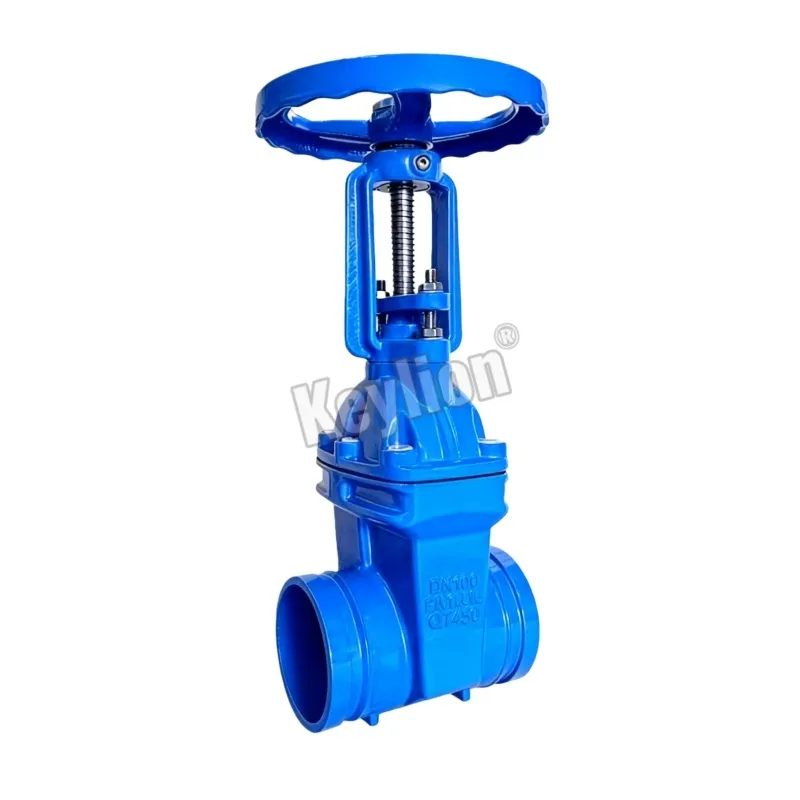
First off, cast iron is the OG, right? It’s been around since forever, and for good reason – it’s cheap, super strong, can handle that constant water pressure (we’re talking 150 to 300 PSI for most municipal systems), and it’s pretty resistant to rust… wait, no, hold on – cast iron can rust if it’s exposed to water 24/7 without a lining. That’s why we line most of our cast iron valves with cement mortar. The cement lines the inside so the water never touches the iron itself, preventing corrosion. I see a lot of guys cut corners here with unlined cast iron, especially for outdoor valves, but that’s a recipe for a clog or a stuck gate in 5 years. The downside? Cast iron’s heavy, and it’ll crack if you drop it – which happens way more often than you think during installation. We still use it for 70% of our standard line valves, though – it’s just the workhorse.
Then there’s ductile iron, which is basically cast iron upgraded. Here’s the tea: ductile iron has graphite nodules in it, instead of the flaky graphite in regular cast iron. That makes it way more flexible – like, 10x more impact-resistant, to be exact. So if a construction crew drops a valve on a job site, or the ground shifts a little, ductile iron won’t crack. We use this for valves in areas with a lot of ground movement, like near old building foundations or regions with frequent freeze-thaw cycles. Freeze expansion is the worst – water in the valve freezes, and if the material’s too brittle, it splits. Ductile iron bends just enough to handle that. Yeah, it’s a bit pricier than plain cast iron, but our customers tell us the warranty claims are half as much, so it’s worth it. I once had a client in Minnesota who switched all his hydrant valves to ductile iron after 3 of his cast iron ones cracked in a single winter – no regrets, he said.
Now, for the fancy stuff: bronze. This is the go-to when corrosion is a big problem, like near coastal areas with salt air, or in industrial zones where the water has chemicals in it. Bronze is an alloy of copper and tin (sometimes other metals, but mostly those two), and it’s naturally corrosion-resistant – no lining needed. It’s also really machinable, so we can get tight seals on the valve gate, which means less leaks. The downside? Bronze is way more expensive than iron, and it’s softer, so it can’t handle as much impact. We only use bronze for the internal parts of valves – like the stem and disc – not the whole body, unless a customer specifically asks for it for a coastal project. Wait, some people mix up brass and bronze – brass is copper and zinc, right? Brass is cheaper, but it corroded faster in salt water, so we stick to bronze for salt-prone areas. Last year, a city in Florida ordered 200 bronze internal stems because their previous brass ones kept failing – game changer for them.
Aluminum? Eh, we rarely use it for full valves, but it’s good for small parts, like the operating nut on top. It’s light, doesn’t rust, and it’s cheap for small components. But aluminum’s not strong enough for the main body – it’ll dent if you lean on it too hard, so it’s only for secondary parts. Stainless steel? Similar to bronze – super corrosion-resistant, way pricier than iron. We use it for stems in super harsh environments, like chemical plants, but we’ve had customers try stainless steel bodies and regret it because it’s so hard to machine the right thread for the nut. It’s overkill for most municipal water systems, honestly.
Then there’s the internal components – the gate, stem, disc, seal. The gate’s usually cast iron or ductile iron, but we coat it with epoxy or Teflon for smooth operation. If the seal (the part that keeps water from leaking) is made of bad material, the whole valve’s trash. Most valves use EPDM rubber for seals – it’s cheap, flexible, resistant to chemicals, and works in temperatures from -40°F to 200°F, which covers almost every place in the US. For hot water systems, we use nitrile rubber – it can handle up to 250°F. If someone’s in a super cold place, maybe a silicone seal? But EPDM’s the standard, and it lasts 15-20 years with regular maintenance. We’ve had customers switch from generic seals to our EPDM ones and cut their leak rates by 80% – that’s the stuff.
Wait, let’s talk about what we don’t use. We tried plastic valves once for a residential project – cheap, but after 3 years, the sun cracked the plastic and it leaked all over the lawn. Nope, never again. And plain steel? It rusts through in 2-3 years, even with paint. We don’t touch that anymore.
How do we choose which material for a customer? First, location. If it’s a small town in the Midwest with freshwater, cast iron’s perfect. If it’s Miami or Houston? Ductile iron bodies with bronze internals. If it’s a factory with corrosive water, we’ll go full bronze (or at least the internals). We also ask about installation conditions – if the job site is tight on space, ductile iron’s lighter than cast iron, so easier to move. If they need the valve to last 50 years, we’ll bump up to ductile iron instead of cast.
A common mistake newbies make: buying a cheap cast iron valve, thinking it’s all the same. But cheap cast iron has impurities, so it’s more prone to rust. Our cast iron valves are made from gray iron with a high carbon content, which makes it stronger, and we use a thick cement lining – not the thin stuff that flaks off after a year. We test every valve’s material for tensile strength, so you know it’s gonna hold up.
Another thing: material standards. We follow AWWA standards – that’s the American Water Works Association, so you know it’s legit. AWWA C504 is for fire hydrant valves, and it specifies the minimum requirements for materials. We don’t cut corners on that – if a material doesn’t meet AWWA, it’s not going out of our shop.
So why does this matter to you, if you’re someone who needs fire hydrant valves? The right material means less downtime, fewer repairs, no surprises when you actually need the hydrant to work. I’ve seen fire departments miss a small fire because a valve was rusted shut – all because someone bought a cheap, unlined cast iron valve. That’s not on us, but it’s why we push for the right materials for each job.
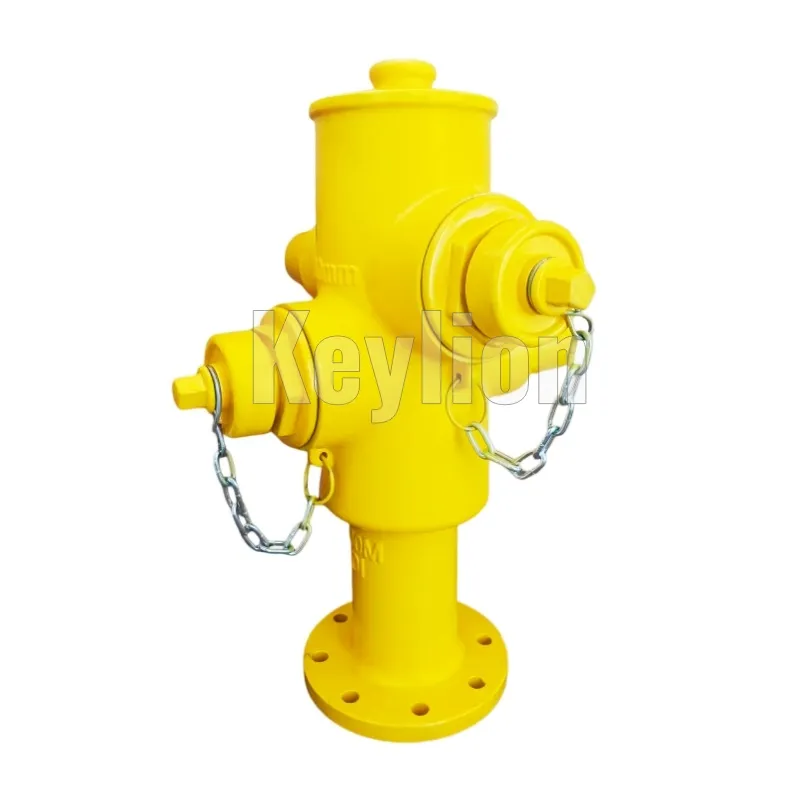
If you’re looking to stock up on fire hydrant valves, or if you’re curious which material would work best for your project, hit me up. I’m here to walk you through what works, what doesn’t, and get you a quote that’s fair. No sales pitch, just straight talk about what materials will hold up for your specific needs. Don’t wait until something breaks – get the right valve from the start, and you’ll thank me later.
Check Valve References
American Water Works Association. (2020). AWWA C504: Standard for Fire Hydrants.
National Fire Protection Association. (2021). NFPA 1: Fire Code.
Steel Founders’ Society of America. (2019). Ductile Iron for Water and Wastewater Applications.
Copper Development Association. (2020). Bronze Alloys for Corrosion Resistance in Water Systems.
Quanzhou Keylion Valve Co., Ltd.
We’re known as one of the most professional fire hydrant valve manufacturers and suppliers in China, also support customized service. We warmly welcome you to buy high quality fire hydrant valve made in China here from our factory. If you have any enquiry about cooperation, please feel free to email us.
Address: NO.17, JINYUAN, ZHENSHAN VILLAGE, NANAN CITY, FUJIAN PROVINCE
E-mail: sales@keylionvalve.com
WebSite: https://www.keylion-valves.com/
