If you’ve ever stopped mid-aisle at a grocery store, staring at a shelf stacked with 100-count tea bags in neat, uniform boxes, you’ve probably never paused to wonder about the machine that makes that possible. As a tea bag packaging machine supplier, I hear this question constantly: “How much does one of these actually cost?” The answer isn’t a flat number—no machine is one-size-fits-all, and cutting corners on equipment often leads to bigger headaches down the line. Let’s break down what goes into pricing, so you can make a decision that works for your business, whether you’re a small craft tea brand just scaling up or a large distributor shipping millions of bags a month. Tea Bag Packaging Machine
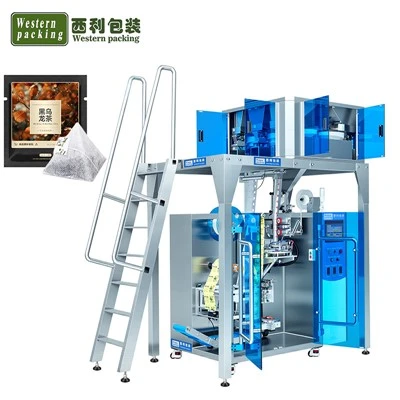
First, let’s get one thing straight: tea bag packaging machines aren’t like blenders or laptops—you don’t plug them in and start working. These are precision-engineered pieces of industrial equipment that run 12, 16, even 20 hours a day, sealing filter paper, filling tea, and packaging into boxes or pouches without wasting a single bag. That durability and versatility is what drives most of the price variation. At the low end, you might see small, semi-automatic machines marketed for “small businesses,” but let’s be clear: these are hand-fed, require constant manual adjustments, and can only produce a few hundred bags an hour. For a craft brand making 5,000 bags a month, that might be enough, but if you’re looking to grow, you’ll outgrow that machine fast. Entry-level semi-automatic units range from $5,000 to $15,000, but don’t forget to factor in the extra costs: you’ll need to source your own filter paper rolls, tea hoppers, and a separate heat sealer, plus hire an operator to stand by all day feeding materials. For a one-person shop, that might work, but most serious tea businesses outgrow that space within a year.
The sweet spot for most growing tea brands is automatic packaging machines, the kind that runs with minimal oversight from a single operator. These machines are designed to handle everything: unspooling filter paper, cutting it to the right size, filling with loose tea (or even herbal blends, matcha, or decaf), sealing the edges to make a flat, pyramid, or square tea bag, and then dropping those bags into outer packaging—whether that’s a standard box, a stand-up pouch, or even a wrapped individual bag. The price here varies wildly based on speed, capacity, and add-ons, but most mid-range automatic machines cost between $25,000 and $75,000. The biggest factors here are speed and bag format. A machine that makes traditional square tea bags might run 100 bags a minute, while a pyramid bag machine—popular for premium loose-leaf teas—often costs a bit more because it uses thinner, more durable filter material and has to shape the cone as it seals. If you’re targeting premium retail, pyramid or sachet bags will set you back a few thousand dollars more upfront, but they let you charge 20-30% more for your tea, which pays for that difference quickly.
For large-scale distributors or brands shipping millions of bags a year, there’s the high-speed automatic line, which can integrate multiple machines into one continuous system: bag making, filling, and even palletizing or case packing all in one. These are the workhorses that run 24/7 during peak season, and they cost anywhere from $100,000 to $300,000 or more. I recently worked with a national tea brand that upgraded from a mid-range automatic line to a high-speed system, and they told me the upgrade paid for itself in 18 months by cutting labor costs by 40% and reducing waste from mis-sealed bags by 15%. The tradeoff, of course, is that these lines require more space—you’ll need a dedicated production area of at least 1,000 square feet, plus regular maintenance, and an operator trained to troubleshoot the system. They’re not for everyone, but if you’re already doing 10 million bags a year, they’re worth every penny.
Now, I know what you’re thinking: “Why is there such a big gap between entry-level and high-end?” It’s not just about the brand name. The biggest hidden cost of a cheap machine is downtime. A $5,000 entry-level semi-automatic machine might break down once a week, requiring replacement parts that cost hundreds of dollars and take days to arrive. A high-quality automatic machine from a reputable supplier like ours is built with industrial-grade parts—stainless steel frames (critical for food safety, by the way, which is a big deal for tea), precision sensors that stop the line automatically if something goes wrong, and a warranty that covers parts and labor for at least a year. We’ve had customers come to us after buying a cheap machine, saying they spent more on repairs and lost production in six months than they would have spent on a mid-range automatic machine upfront. Food safety is another big one: tea products have to meet FDA (or EU, if you’re exporting) standards for equipment, and cheap machines often use plastic parts that aren’t food-grade or have hard-to-clean crevices where tea dust and mold can build up. That’s a risk no tea business can afford—one recall for non-compliant packaging would erase years of growth.
Then there are the add-ons that can bump up the price, but pay for themselves over time. Let’s start with waste reduction: some machines have built-in systems that cut filter paper exactly to size, so you don’t waste excess material. Others have tea filling sensors that adjust the amount of tea per bag, so you don’t overfill and leak tea into the packaging, or underfill and upset customers. We recently upgraded a customer’s line to include a waste reduction module, and they told us they saved 10% on filter paper and tea costs within three months—enough to cover the add-on cost and then some. Another popular add-on is a printing system that prints lot numbers, expiration dates, or even small logos directly on the tea bags or outer packaging. That saves you the step of buying separate labels, cutting labor time, and ensuring your branding is consistent across every bag. For brands selling to eco-conscious customers, there are also specialized modules for compostable filter paper and biodegradable outer packaging—these add a few thousand dollars to the machine cost, but let you market your tea as fully plastic-free, which is a huge selling point in today’s market.
I want to be transparent, because as a supplier, I’ve seen too many customers get burned by hidden fees. When you’re comparing prices, don’t just look at the base machine cost. Ask about delivery and installation: a mid-range machine can weigh over 2,000 pounds, so getting it to your factory and setting it up to run correctly is not a DIY job. We include installation and operator training in our base price for all automatic machines, but some cheaper suppliers will charge extra for that, which can add $5,000 to $10,000 to your total cost. Also, ask about maintenance plans and part availability. If a supplier is based overseas, a replacement part can take 4-6 weeks to arrive, while a domestic supplier like us can ship parts in 24 hours. That downtime can cost you thousands in lost production every day, so it’s worth paying a little more for local support.
Wait, but what if you’re not ready to buy a machine outright? We offer flexible financing options for every type of customer, from small craft brands to large distributors. For entry-level semi-automatic machines, we have lease-to-own plans starting at $150 a month, no credit check for small businesses. For automatic lines, we can work out custom financing terms with 0% interest for the first 12 months, which lets you invest in your tea brand without tying up all your capital in equipment. We even have rental options for brands testing a new line—if you’re launching a new herbal blend and want to test sales for six months, you can rent a machine for a few hundred dollars a month, instead of buying it outright. That flexibility is key, because not every tea business has the same budget or timeline.
Let me share a real example to put this all in perspective. Last year, we worked with a small tea company based in Portland, Oregon, that made organic black tea and was selling at local farmers’ markets and a few regional grocery stores. They had a part-time employee hand-sealing tea bags, and they were producing about 10,000 bags a month, growing 15% each quarter. They started looking at a $6,000 entry-level semi-automatic machine from an overseas supplier, but after talking to us, they realized that machine would only run 50 bags a minute, requiring two operators, and would break down every other week. Instead, they opted for our mid-range automatic pyramid bag machine, which cost $35,000, and we worked with them to set up a financing plan with $0 down and $750 a month for 48 months. Within six months, they were producing 50,000 bags a month, hiring only one operator instead of two, and their packaging waste dropped by 12%. They recently told us they just signed a deal with a national grocery chain that will require 200,000 bags a month, and their machine is running 16 hours a day, 6 days a week. That’s the difference between making a short-term cheap choice and investing in equipment that grows with your business.
Now, I know you might be sitting there thinking, “I don’t even know what capacity I need, or what bag format is right for me.” That’s why we don’t just sell machines—we consult with you to figure out what works for your brand. Do you need square bags for traditional black tea? Pyramid bags for premium loose-leaf? Stand-up pouches for bulk tea? Do you sell locally, or do you plan to expand nationally or internationally? All of these factors affect the machine you need, and ultimately, the price. We’ve worked with hundreds of tea brands, from one-person start-ups to Fortune 500 food companies, so we can walk you through the options, no pressure, no sales pitch.
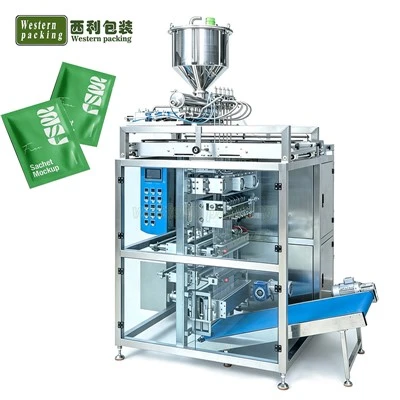
At the end of the day, a tea bag packaging machine is an investment in your brand, not just a piece of equipment. The cheapest machine upfront will cost you more in downtime, waste, and lost growth. The right machine, priced for your budget and tailored to your needs, will help you keep up with demand, improve product quality, and build a brand that customers trust. If you’re ready to stop hand-sealing bags, stop dealing with constant breakdowns, and start scaling your tea business, we’d love to chat. We can answer all your questions, walk you through our current models, and give you a custom quote that fits your timeline and budget. Reach out to our team to connect for a no-obligation consultation.
Filling Machine References:
- Food and Drug Administration. (2023). Food Safety Standards for Food Processing Equipment.
- Tea Association of the USA. (2024). 2024 Tea Industry Production and Packaging Report.
- Packaging Machinery Manufacturers Institute. (2023). Industrial Packaging Equipment Pricing and Maintenance Guidelines.
- Organic Trade Association. (2023). Compostable Packaging Standards for Food Products.
Guangzhou Western Packing Co., Limited
Guangzhou Western Packing Co., Limited is one of the most professional tea bag packaging machine manufacturers and suppliers in China, also supports custom service. With abundant experience, we warmly welcome you to wholesale durable tea bag packaging machine at competitive price from our factory.
Address: No.3, Yilong street, Wulonggang, Zhongluotan Twon, Baiyun District, Guangzhou
E-mail: david@westernpacking.com
WebSite: https://www.westernpackingusa.com/
