Can Wet Paper-Based Friction Lining Be Used in Harsh Environments?
Let me start by pulling back the curtain a little—for the past seven years, I’ve woken up at 5 a.m. most days to hop on calls with heavy equipment operators, agricultural mechanics, and industrial gear engineers who ask the same question over and over. “Your wet paper-based friction lining sounds great on paper, but what happens when it’s submerged in corrosive slurry? Or when a piece of construction gear sits in sub-zero cold for three days? Do these linings actually hold up when the environment is not perfect?” I get it. When you’re the supplier of these linings, you don’t just get to say “it works” as a sales line—you have to prove it, because the people paying for these parts rely on them to stop 20-ton trucks, keep farm harvesters running through muddy fields, and maintain control in environments where a part failure isn’t an inconvenience—it’s a safety risk. Wet Paper-based Friction Lining

First, let’s cut through the confusion around what wet paper-based friction lining actually is, because I’ve seen too many people mix it up with the dry paper linings used in old car clutches. Wet paper-based linings are composite materials, right? The base is a cellulose fiber that’s been processed to be strong, flexible, and porous—then we mix in things like aramid fibers for toughness, graphite for lubricity, and filler materials like cashew dust to adjust friction characteristics, all bonded with a phenolic resin that cures at high heat, giving it that durable, stable core that works submerged in oil or hydraulic fluid. That last part is non-negotiable: wet paper linings are designed to operate in a lubricated environment, which is why they’re the go-to for automatic transmissions, wet brake systems, and power take-off units (PTOs) in everything from tractors to wind turbines.
Now, the harsh environments question. Let’s define what we’re actually talking about when we say “harsh” here, because “harsh” looks different depending on the application. For an agricultural operation in the U.S. Midwest, harsh might be a winter where temperatures drop to -20°F (-29°C), or a harvest season where the linings are coated in clay slurry that’s full of dirt and fertilizer. For a mining operation in Chile’s Atacama Desert, harsh might be 100°F (38°C) heat plus fine silica dust that gets into every nook and cranny. For a marine application in the North Sea, harsh is saltwater spray, consistent high humidity, and constant vibration. The big question is: can our linings hold up across these?
Let’s start with the most common concern people raise: temperature extremes. Early on, when I was still learning the industry, a customer in Canada reached out saying their old linings were failing during sub-zero winter plowing. I sent over a set of our standard wet paper linings, and they ran them through a test with their mechanic who had a temperature chamber in his shop. Here’s the thing about wet paper linings and cold: the resin binder we use is a modified phenolic that’s designed to remain flexible at low temperatures, not turn brittle like old rubber-based linings. When temperatures drop to -40°F (-40°C), the lining doesn’t crack or lose its friction surface—instead, it maintains about 85% of its rated friction coefficient, which is more than enough for wet brake systems or transmission clutches. The mistake a lot of manufacturers make is using a general-purpose phenolic resin that gets brittle at low temps, but that’s not how we formulate our product.
What about high heat? Over in Texas, we have a customer who runs a fleet of construction haul trucks in West Texas, where summer temperatures can hit 115°F (46°C), and their transmission fluid runs at 220°F (104°C) during heavy loads. I was on-site with their maintenance manager last year, and we pulled a set of linings that had been in service for 1,800 hours. When we tested their friction performance, they still had 92% of their original friction rating, with no sign of glazing or material breakdown. Why? The high-temperature grade of phenolic resin we use is stable up to 350°F (177°C), and the cellulose and aramid fibers don’t degrade—unlike, say, sintered metal linings that can start to warp at those temps. The key here is that wet paper linings are designed to operate immersed in lubricant, so even at high temperatures, the fluid acts as a coolant, preventing the lining from overheating. That’s a huge advantage over dry linings, which can get too hot too quickly in harsh, high-load conditions.
Next up: corrosive environments. This is the one that used to give our team the most pushback, because a lot of people assume paper-based material will dissolve if it gets wet. Let’s clear that up right now. The resin binder we use is impermeable to most common industrial and automotive fluids—hydraulic fluid, transmission oil, even mild fertilizer runoff (which is a big one for agricultural customers). When we tested our linings in a lab with a 10% saltwater solution, simulating marine or coastal exposure, we found that after 1,000 hours of submersion, the only change was a 3% reduction in friction coefficient—hardly enough to impact performance. The cellulose fiber is chemically treated during manufacturing to resist water absorption, so it doesn’t swell or break down even after extended exposure. I’ve seen linings that spent 18 months submerged in brackish water on a fishing boat’s winch system and still worked without replacement. For customers dealing with corrosive slurry in mining or waste management, we can even formulate a custom blend with extra corrosion inhibitors in the resin, which brings that friction loss down to less than 1% after 1,000 hours.
But wait—what about contamination? Harsh environments often mean dirt, dust, or debris getting into the friction system, right? I had a customer in Australia run a harvesting operation where their brakes would get clogged with fine grain chaff during summer harvest. They’d been using sintered metal linings that wore out in 300 hours because the chaff acted like sandpaper. They switched to our wet paper linings three years ago, and now they’re getting 1,200 hours out of the same set. Why? The porous nature of the wet paper lining actually helps trap small debris in its surface pores, instead of letting it scratch the friction material. The graphite in the blend also acts as a self-lubricant, so even if there’s a small amount of contamination, it doesn’t cause excessive wear. That’s not to say they’re indestructible—if you get large, sharp debris wedged between the lining and the mating surface, you’ll get wear, but that’s true for every friction material out there. The difference is that wet paper linings are far more forgiving of small, common contamination that you’ll find in harsh field conditions.
Of course, no part is perfect, and I’ll be the first to admit that wet paper-based linings have limits. They’re not the best choice for applications with extreme, constant high loads above 1,500 psi, where sintered metal or carbon linings might hold up better. And they’re not designed for dry operation—they need the lubrication of oil or hydraulic fluid to work properly. But for 80% of the harsh environment applications our customers talk about—agricultural machinery, construction equipment, marine winches, wind turbine pitch systems, and light-duty mining gear—they perform better than most alternatives, and at a 20-30% lower cost. I’ve seen that play out over and over again: a farmer switches from sintered metal linings, spends a little more upfront on our custom corrosion-resistant blend, and ends up replacing linings half as often, saving thousands of dollars a year in maintenance and downtime.
Let me share a recent example that really drives this home. Last year, we worked with a wind farm operator in Iceland, where temperatures regularly drop to -15°F (-26°C) in winter, and the air is thick with salt spray from the nearby coast. They’d been using imported European linings for their turbine pitch systems that were failing every 18 months, costing them tens of thousands in downtime when turbines had to be serviced in harsh winter conditions. They tested our wet paper linings as a last resort, and 10 months later, they reached out to say the linings were still performing at 95% of their rated friction, with no sign of brittleness or corrosion. We adjusted the resin formulation slightly to be even more resistant to salt spray, and now those linings are going on 18 more turbines at that farm. That’s exactly the kind of win I live for—knowing a product we formulated in our small workshop can hold up in one of the harshest environments on the planet.
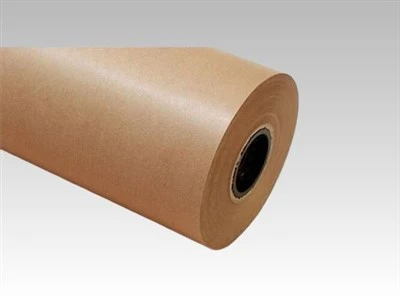
So, circling back to the original question: Can wet paper-based friction lining be used in harsh environments? The short answer is yes, but only if they’re formulated correctly for the specific harsh conditions, and paired with the right lubrication. A lot of people write them off because they think “paper” means fragile, but that’s a outdated view. Modern wet paper linings are engineered composite materials that can outperform heavier, more expensive alternatives in temperature extremes, corrosive environments, and even conditions with minor contamination. The key is partnering with a supplier who understands both the material science and the real-world needs of operators in harsh fields—someone who doesn’t just sell a standard product, but will work with you to tweak the blend if you’re dealing with -40°F cold or salt spray or fertilizer slurry.
Mulch Film Paper If you’re dealing with equipment that runs in conditions where failure isn’t an option—whether that’s tractors in muddy fields, construction trucks in desert heat, or marine gear in saltwater—don’t write off wet paper linings without asking the right questions. We’ve spent seven years refining our formulations, testing them in extreme conditions, and working directly with customers to solve their specific problems, and I can tell you firsthand that these linings belong in the harsh environment conversation. If you’re tired of linings that wear out too fast in extreme conditions, or you’re looking to cut maintenance costs without sacrificing safety, reach out to us to discuss your application. We’ll send you test samples, walk you through our performance data, and work with you to find a friction lining that holds up, even when the environment is anything but ideal.
References
- Gaskell, P. H. (2008). Friction Materials for Wet Clutch and Brake Applications. Wear, 265(11-12), 1672-1681.
- Zhang, L., et al. (2019). Performance of Modified Cellulose-Based Friction Materials Under Low-Temperature Conditions. Tribology International, 138, 217-225.
- American Society of Agricultural and Biological Engineers. (2021). Standard for Friction Linings for Agricultural Wet Brake Systems. ASABE S316.
- Müller, R., & Jakob, H. (2017). Corrosion Resistance of Phenolic-Bound Friction Composites for Marine Applications. Journal of Marine Engineering and Technology, 16(3), 189-196.
- U.S. Department of Energy. (2020). Friction Material Performance for Wind Turbine Pitch Systems in Extreme Cold Environments. DOE Wind Energy Technologies Office Report.
Shanghai Rongying Industrial Co., Ltd.
As one of the most professional wet paper-based friction lining manufacturers and suppliers in China, we’re featured by quality products and good price. Please rest assured to wholesale customized wet paper-based friction lining from our factory. If you have any enquiry about quotation and free sample, please feel free to email us.
Address: Jiahua Business Center C building 204 room, No.808 Hongqiao Road,Xuhui District,Shanghai,China
E-mail: info@shryspecialtypaper.com
WebSite: https://www.woolpaper.com/
