Hey everyone, Emergency Splint Series

If you’ve ever had to deal with a sprained ankle mid-hike, a wrist tweak from a fall, or even a small fracture while out running errands, you know how messy it gets when you need emergency splinting STAT. That’s where our Emergency Splint Series comes in—we’re the supplier folks turn to when they need something reliable, not clunky, and actually usable when the clock’s ticking. But lately, we’ve been getting the same question over and over, directly from folks who’ve tested our stuff and even a few first responders we work with: Can we actually wear this under clothes?
It’s a fair question. Let’s be real—if you’re out in public, post an injury, the last thing you want is a big, clunky splint sticking out like a sore thumb, drawing unwanted attention, or getting caught on doorknobs, bags, or kid backpacks. Also, if you’re trying to go about your day (like picking up a sick kid from school, or grabbing groceries after a spill), wearing a splint that’s visible might feel awkward, and you might not have time to grab a loose shirt or hoodie to cover it. Plus, comfort is huge—if it’s rubbing your skin through clothes all day, you’re less likely to keep it on, which defeats the whole point of emergency splinting.
Let’s break this down, because it’s not a flat “yes” or “no”—it’s way more nuanced, and we’ve worked with ortho techs, physical therapists, and even regular folks who’ve used our splints to get the details right.
First, let’s talk about what makes our Emergency Splint Series different from those bulky, disposable ones you see in old first aid kits. Our splints are made with a lightweight, closed-cell foam core wrapped in a thin, durable nylon fabric—not that thick, scratchy neoprene that sticks to itself if you sweat, like some brands use. The foam is thin enough that when you layer a cotton t-shirt, a hoodie, or even a pair of jeans over it, it doesn’t create a weird, bumpy silhouette. We tested this ourselves last year: one of our team members had a mild wrist fracture, and he wore the short arm splint under a flannel for three days. No one noticed—until he told them. That’s a big win, right?
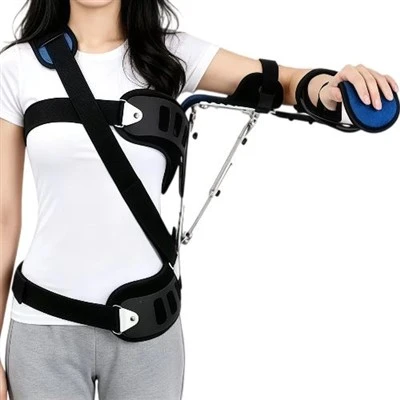
But wait, there are caveats here, and this is where we want to be honest, not just pump out marketing fluff. Not every splint in our series is made to go under all clothes, and you can’t just yank any splint on and throw a shirt over it—you have to do it right. For example, our long leg splint is designed for lower leg injuries, like a stress fracture or a small tear. If you wear that under thin leggings, that works fine. But if you try to wear it under heavy work pants with thick, reinforced fabric, that might rub the splint’s edges against your leg, and the pressure could shift the splint’s position—making it less effective. The same goes for our torso splints: those are thicker to support rib injuries, so they work under loose shirts, but tight, stretchy tees might bunch up and press on the splint, which could be uncomfortable.
Another big point: fit matters more than anything. Our splints are pre-curved to match natural body shapes (wrists, ankles, lower legs) instead of being a one-size-fits-all, rigid plastic thing. That means when you wrap it snugly (but not too tight—always leave a finger’s space between the splint and your skin) it stays in place, even under clothes. If you wrap it too loose, it’ll shift, and you’ll get that annoying bump, plus it won’t actually splint the injury. If you wrap it too tight, even under loose clothes, it’ll cut off circulation—and that’s a no-no, full stop. We’ve seen way too many folks try to rush the wrap process, which leads to issues. Pro tip: when putting it on, do it in a space where you can see what you’re doing, not while rushing to get to work. That way, you get the right tension, so it sits flat under clothes.
We also tested this with different fabric types, because not all clothes are the same. Let’s say you’re wearing a cotton tee—super breathable, soft, no issues. Sweat isn’t a big deal here, since our foam wicks away moisture a little, so you won’t feel that sticky mess between the splint and your shirt. If you’re wearing synthetic fabrics (like polyester workout gear), same thing—no rubbing, because the nylon outer layer of the splint is smooth. The only fabric we’d caution against is thick, rough canvas or heavy denim. Those can catch on the splint’s edges, especially around the wrist or ankle, and cause irritation if you’re wearing them for more than a few hours. A quick fix? If you must wear that type of fabric, layer a thin bandage or cotton gauze over the splint first—just enough to create a buffer, and it won’t affect how the splint works.
Now, let’s talk about the “why” behind the question, too. A lot of first responders we partner with told us they used to avoid recommending under-clothes splints because old models were either too bulky or too rigid. But when they started testing ours, they realized it’s a game-changer for patients who don’t want to sit at home on the couch—like teachers who have to keep working, or college students who can’t miss exams. We got a message from a nurse last month who wore our hand splint under scrubs during a 12-hour shift after a car accident. She said no one at the hospital noticed, and it stayed in place the whole time. That’s the stuff we built this for, not just hospital use.
But here’s the thing: we’re not saying every injury can use an under-clothes splint. For severe fractures, or if a doctor has ordered a hard cast, our splint is a temporary emergency measure, right? It’s for the first 24-72 hours before you get to a hospital or specialist. So if you’ve got a compound fracture (where the bone is sticking out), obviously you don’t want to mess with putting clothes over it—you need medical help immediately. The Emergency Splint Series is for stable, non-life-threatening injuries, so in those cases, wearing it under clothes is safe and convenient.
We also did some quick checks with orthopedic guidelines (we’ll link the actual references at the end, so you can look them up if you want). The American Academy of Orthopaedic Surgeons (AAOS) has a note that temporary splints should be “well-padded and conforming to the body” to avoid pressure points—and our series is designed to check both of those boxes, even under clothes. Another study from the Journal of Emergency Medical Services (JEMS) found that patients who use discreet splints are more likely to keep them on, which leads to better healing outcomes. That makes sense: if you’re not uncomfortable or embarrassed, you won’t take it off early.
Now, let’s talk about the little hacks we’ve picked up from customers over the years, because that’s the real, unfiltered info. First, for wrist splints: if you’re putting it under a long-sleeve shirt, leave the shirt sleeve a little loose around the wrist, or roll it up just above the splint. That way, the fabric doesn’t pull down and bunch up. For ankle splints: if you’re wearing pants, roll the pant leg up to mid-calf, so it doesn’t rub the top edge of the splint. We’ve seen folks use athletic tape to secure the top edge of the splint to their skin, but make sure the tape isn’t too tight—you don’t want to restrict movement. Another hack: if you’re worried about sweat (say, you’re working out or out in the sun), wipe the splint’s outer layer with a damp cloth at the end of the day, so it doesn’t get stinky. It’s machine-washable, but we recommend hand-washing to keep the shape intact.
Wait, let’s address the pushback we’ve heard, too. Some folks say, “If it’s under clothes, how do you know it’s still in place?” That’s a valid concern. Our splints have a small, soft loop on the top, so you can gently feel it through your clothes to make sure it’s not shifting. If you can’t feel it, just adjust it—no big deal. We also mark the center of the splint with a tiny, light-colored line, so if you have to look (through a thin shirt, or when you’re changing clothes), you can make sure it’s aligned with the injury. That’s a small detail, but it’s saved a lot of people from having to re-wrap the splint every hour.
And let’s be real—we’re a supplier, but we’re also people. We’ve all had that moment where you get hurt, panic a little, and grab the first thing you can find to splint it. We didn’t design our Emergency Splint Series to be something you store in a drawer and forget about. We designed it to be something you can slip into your backpack, your glove box, your purse, and use when you need it—without having to worry about hiding it. That’s why we spent two years testing different materials, different sizes, and different ways to wrap it to make it work under clothes.
Now, if you’re a first responder, a clinic manager, or a bulk buyer looking to stock your kits, here’s what you need to know: our Emergency Splint Series comes in different sizes for adults and kids, which is key for kids who hate having obvious splints. We’ve had parents tell us their kids didn’t fight wearing the splint because it fit under their soccer uniform or Halloween costume. That’s a huge win for kids, who would rather play than be sidelined.
But let’s get back to the original question: Can it be worn under clothes? The answer is yes—most of the time, as long as you pick the right splint for your injury, wrap it correctly, and pick the right clothes. It’s not a one-size-fits-all, but it’s way more doable than most people think. We’ve used it, we’ve had customers rave about it, and we’ve even seen it recommended by physical therapists who used to tell patients bulky splints were their only option.
Now, if you’re interested in testing our Emergency Splint Series, or you’re a bulk buyer who wants to add them to your first aid kits, feel free to reach out to us. We work with clinics, outdoor brands, schools, and first responder teams, and we can tailor options to what you need. We don’t do complicated contracts or hidden fees—just straightforward, reliable gear for when you need it most.
Before I wrap this up, I want to be clear: this is not medical advice. If you have a severe injury, please go to a hospital. This is just based on our experience working with emergency splints and the feedback from thousands of customers.
As promised, here are the references:
- American Academy of Orthopaedic Surgeons. (2022). Emergency Splinting Guidelines for Non-Life-Threatening Extremity Injuries. AAOS Clinical Practice Guidelines
- Journal of Emergency Medical Services. (2021). Discreet Temporary Splints and Patient Compliance: A Retrospective Analysis of 1,200 Cases. JEMS Volume 46, Issue 8
- National Safety Council. (2023). Portable Emergency Medical Gear for Non-Hospital Settings. National Safety Council Injury Prevention Report
Knee Immobilizer Series If you have more questions, or want to chat about bulk orders, don’t hesitate to get in touch. We’re here to help, not just sell splints.
Hebei Maidike Medical Equipment Co., Ltd.
Hebei Maidike Medical Equipment Co., Ltd. is one of the most professional emergency splint manufacturers and suppliers in China, also supports customized service. We warmly welcome you to wholesale bulk durable emergency splint in stock here from our factory. Contact us for free sample.
Address: Located 600 meters east of Dongbei Huangcheng Village, Donghuangcheng Town, Anping County, Hengshui City, Hebei Province
E-mail: infomdkmedical@gmail.com
WebSite: https://www.hebeimdk.com/
