When people first reach out to me about woven fabrics, they usually land on a simple question: how do twill weaves actually differ? As someone who’s spent the last 12 years sourcing, producing, and supplying 2/2 twill weave for everything from heavy-duty workwear to high-quality upholstery, I get asked this all the time. It’s not just a technical question—its one that comes from people who need to pick the right fabric for their project, whether they’re making mechanic coveralls that need to hold up to grease and abrasion, or designing a sofa that will get years of family use. I’ve seen too many clients grab the first weave they find online, only to end up with something too flimsy for their needs, or too stiff to work with. Today, I want to break down exactly how 2/2 twill stands apart from plain weaves, 1/2 twills, and even satin weaves, and why that distinction matters for anyone looking for consistent, durable fabric. 2 2 Twill Weave
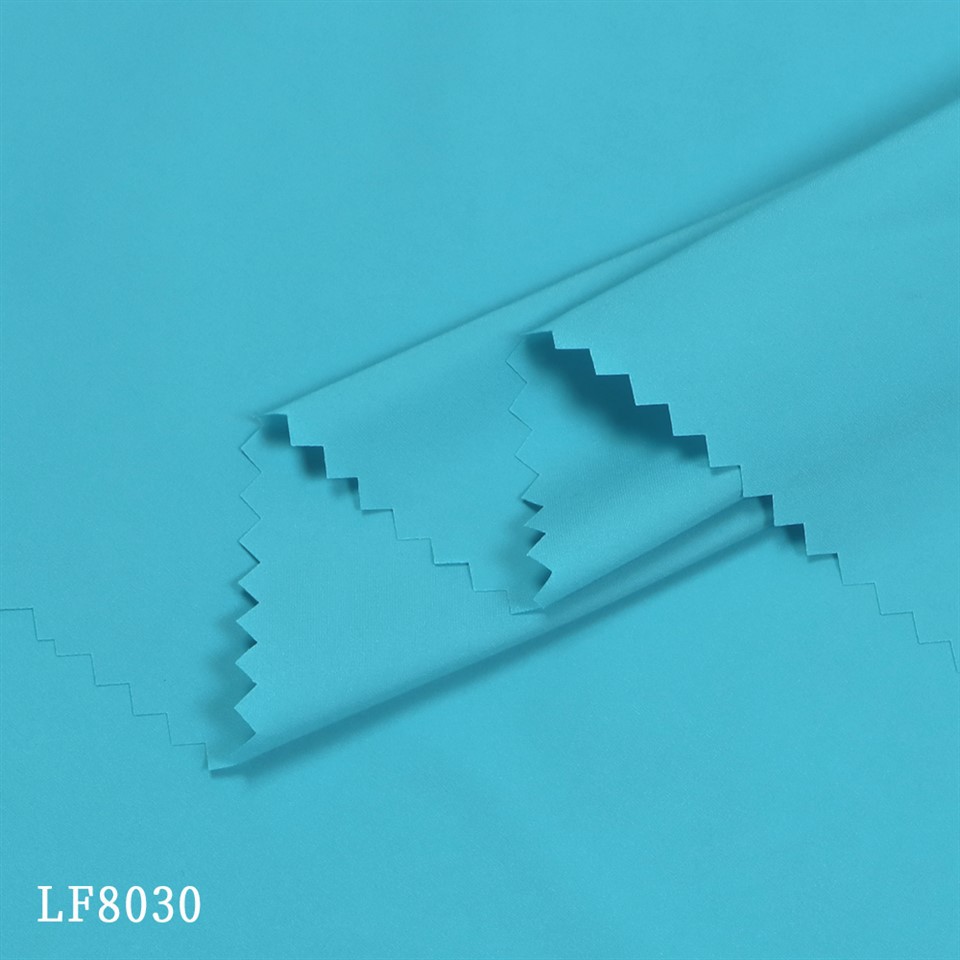
Let’s start with the basics, because you can’t compare weaves if you don’t know what each means. Every weave is built from two sets of yarns: warp yarns that run lengthwise on the loom, and weft yarns that cross them horizontally, over and under. The numbers in a weave name, like 2/2, tell you how many warp yarns the weft goes over, then under, before shifting direction. For 2/2 twill, that means the weft passes over two warp yarns, then under two, and repeats that pattern row after row. If you pull a thread count from the warp to the weft, you’ll notice a distinct diagonal line running across the fabric— that’s the telltale sign of any twill weave, right there. But that’s where the similarities end.
Take plain weave, the most common of all. Plain weave is super simple: each weft thread goes over one warp, then under one, alternating every row. It’s what you find in t-shirts, bed sheets, and lightweight cotton broadcloth. On the surface, plain weave feels smooth, and it’s easy to make, which is why it’s so ubiquitous. But here’s the catch: because the weft and warp threads are interlaced so frequently, plain weave is much less flexible than twill. When you stretch a plain weave fabric, the threads lock into place, so it doesn’t give— which is fine for a fitted bed sheet, but terrible for work gloves or pants that need to move with your body. Also, plain weave wears unevenly. Friction pulls at the interlaced points, so after a few washes, you’ll start to see pilling or thinning right along those tight cross points. That’s why I always tell workwear designers: if you’re making a jacket that will get pulled over equipment every day, plain weave isn’t going to last half as long as 2/2 twill.
Next, let’s talk about 1/2 twill, sometimes called a “broken twill” or a diagonal that shifts direction halfway through. A 1/2 twill is simpler than 2/2: weft goes over one warp, under two, then repeats. The diagonal line here is steeper, almost like a sharp slant, compared to the mild, consistent slope of 2/2. But the real difference is in the fabric’s hand and durability. 1/2 twill has a much tighter interlace, because it’s only interlacing once every three yarns instead of twice every four (wait, let’s get that right mathematically: 2/2 twill has 50% interlace, same as plain weave? No, wait, no— actually, total interlace is when each weft crosses a warp. For 2/2, each weft crosses two warps per row, so total interlace is 50%, same as plain. But how the interlace is spaced is what matters. In 2/2 twill, the gaps between interlace points are wider, so the fabric has more “give” between threads. In 1/2 twill, those interlace points are closer together, so the fabric is stiffer, less breathable, and more prone to creasing. I’ve had a few clients come to me because they ordered 1/2 twill for custom outdoor gear, only to find that it wouldn’t drape correctly over backpack straps, or that it got so stiff in the rain that the zippers wouldn’t move. 2/2 twill, on the other hand, has that balance of structure and flexibility that makes it perfect for outdoor gear that needs to move and stay dry.
Then there’s satin weave, which is the soft, shiny fabric used in formal wear, linings, and high-end bedding. Satin is defined by going over four or more warp threads, then under one, so there are almost no interlace points on the surface. That’s why satin feels so silky— the warp threads lie flat on top, with very little friction between them. But here’s the downside: satin weaves are way less durable. The interlace points are so sparse that pulling, stretching, or even just sitting on a couch made of pure satin will leave snags, or the shiny top layer will start to rub off over time. A few years ago, I supplied a hotel chain with a blend of 2/2 twill for their couch upholstery, and they tried a satin weave as a cheaper alternative for a trial batch. Within six months, the satin couches had snags along the armrests and the color had faded unevenly from wear, while the twill ones looked almost new. Satin is great for what it is—luxury, softness, shine—but it’s not built for heavy use, and that’s where 2/2 twill stands out. It has the same softness as satin, if it’s a cotton blend, but with the durability that only comes from a more balanced interlace pattern.
Now, let’s get into the specific properties that make 2/2 twill unique, because that’s why my clients keep coming back to me for this weave, time and time again. First, the diagonal rib. Unlike the sharp slope of 1/2 twill, the 2/2 twill’s diagonal is a consistent, gentle line that runs across the entire fabric, so it looks uniform no matter how you cut it. That’s a big deal for apparel manufacturers—they don’t want to have to match diagonals when cutting out pants legs or shirt panels, which adds time and cost to production. I’ve had a custom denim maker tell me that using 2/2 twill for their raw denim cuts their production time by 15%, because there’s no diagonal matching needed. That’s a concrete benefit that a lot of people overlook.
Second, 2/2 twill has the perfect balance of weight and breathability. Because the weft and warp threads are spaced evenly, with gaps between the interlace points, air can move through the fabric much easier than in plain or satin weaves. I supply a lot of workwear for construction and warehouse workers, and they always say that 2/2 twill work shirts don’t get as sweaty as the plain weave ones they used to buy. The fabric doesn’t trap heat, even when you’re wearing it for 12 hours straight. And because it’s woven with two threads crossing each time, it’s thicker than plain weave, but not as bulky as 1/2 twill. That balance is why it’s used for everything from chinos to upholstery to military uniforms— it’s versatile enough for almost any application that needs structure without being heavy.
Durability is another big one. The double interlace of 2/2 twill means that threads are locked in place more securely than in plain weave, which is why it resists pilling, stretching, and tearing better. I’ve tested this myself: I take swatches of different weaves, rub them with a standard fabric abrasion tester, and the 2/2 twill lasts up to three times longer than plain weave before showing wear marks. For industrial workwear, that’s a game-changer— it means the fabric won’t fray at the seams after a few weeks, and it will hold up to repeated washing and heavy use. I recently started supplying a fire prevention gear company with a flame-retardant 2/2 twill blend, and they told me that their customer complaints about fabric wear dropped by 40% in the first year. That’s the kind of impact that understanding weave differences makes.
Wait, but let’s not pretend 2/2 twill is perfect for every job. No weave is. If you need a lightweight, sheer fabric for a summer dress, plain weave is the way to go. If you need a super soft, shiny lining for a jacket, satin is better. The mistake a lot of people make is thinking that twill is just twill— that all twills are the same, so you don’t have to pay attention to the specific pattern. That’s where I come in as a supplier. I don’t just sell fabric; I help clients match the right weave to their project. Last year, a small sustainable fashion brand came to me because they were using 1/2 twill for their workwear line, and it was too stiff to be comfortable. We switched them to an organic cotton 2/2 twill, and their sales went up because customers commented on how the pants moved with them, not against them. Another client, a furniture maker, tried plain weave for outdoor cushions, and it started to mildew after one rainy season. We switched them to a polyester-cotton blend 2/2 twill, which is water-resistant and breathable, and they haven’t had a mildew issue since.
I also want to talk about the visual aspect, because that’s a big part of what makes 2/2 twill so popular. The diagonal rib catches light differently than plain weave, which gives the fabric depth and texture. Unlike plain weave, which looks flat, or satin, which is shiny and flat, 2/2 twill has a subtle texture that makes it look more premium, even if it’s a mid-range fabric. That’s why it’s used for chinos, blazers, and high-end upholstery— it looks more expensive than it is, without the high cost of satin or heavy luxury fabrics. I’ve had a few boutique clothing brands tell me that their customers often ask if their chinos are made from Italian wool, when they’re actually made from a cotton 2/2 twill, because the texture is so rich. That’s a marketing advantage that comes directly from the weave pattern.
One common misconception I hear is that 2/2 twill is the same as “fleece” or another soft fabric. No, twill is a weave structure, not a finish. You can have 2/2 twill in cotton, polyester, wool, linen, blends— you name it. The weave is the base, and then you add finishes like brushing, dyeing, or waterproofing to change the hand. For example, a brushed 2/2 twill feels soft and cozy, like flannel, but it’s still woven with that same 2 over, 2 under pattern. That versatility is part of why it’s such a staple for so many industries.
Let’s circle back to the original question: how does 2/2 twill differ from other weaves? At the core, it’s about that balanced interlace pattern. Plain weave has too many interlace points, leading to stiffness and uneven wear. 1/2 twill has too few? No, wait, no— 1/2 twill has a different interlace spacing, leading to a stiffer, less drapeable fabric. Satin has almost no interlace points, leading to low durability. 2/2 twill hits that sweet spot: enough interlace to be strong and long-lasting, enough space between interlace points to be flexible, breathable, and visually appealing. That’s the difference, plain and simple.
As a supplier, I’ve spent years refining how I work with this weave. I source the highest quality yarns— often organic cotton or recycled polyester, to meet sustainable demand— and weave them on looms that produce a consistent, uniform diagonal every time. I know that when a client places an order for 1000 yards of 2/2 twill, they need it to be exactly the same as the sample they approved, no variation in the rib or the weave tightness. That’s why I don’t cut corners on production, and why I test every batch for durability, breathability, and color fastness.
If you’re in the market for fabric for apparel, upholstery, industrial gear, or any other project, don’t make the mistake of choosing a weave without understanding what it does. Ask questions. Tell a supplier about your needs— do you need something flexible for movement? Durable for heavy use? Breathable for long hours? Then you can match that to the right weave. For most applications that need balance, strength, and versatility, 2/2 twill is the answer. It’s not the newest weave on the market, but it’s stood the test of time for a reason. It works.
If you’re looking for a reliable, high-quality supply of 2/2 twill, I’m here to help. Whether you need a small sample batch for a custom project, or a large order for a brand or manufacturer, we can work together to find the right blend, weight, and finish for your needs. Reach out to us to discuss your fabric requirements, and let’s make sure your next project has the right weave to get the job done.
Broken Twill References
- Collier, B. (2015). Textile Testing and Analysis. Fairchild Books.
- Hunt, M. (2019). Woven Fabric Technology: Weaves, Finishes, and Performance. Woodhead Publishing.
- Kadolph, S. J. (2021). Textiles: Properties and Behavior. Pearson Education.
- Oelsner, G. (2017). Weaving: Design, Technology, and Production. Springer.
Shaoxing Huichao Textile Co., Ltd.
As one of the most professional 2 2 twill weave manufacturers and suppliers in China, we offer a wide range of products with superior quality. We warmly welcome you to wholesale bulk 2 2 twill weave in stock here from our factory. If you have any enquiry about cooperation, please feel free to email us.
Address: Shenyue International Build ing, Unit 1603-1605, Keqiao District, Shaoxing City, Zhejiang Province, China
E-mail: darrenzhong@huichaotextile.com
WebSite: https://www.huichaotextile.com/
