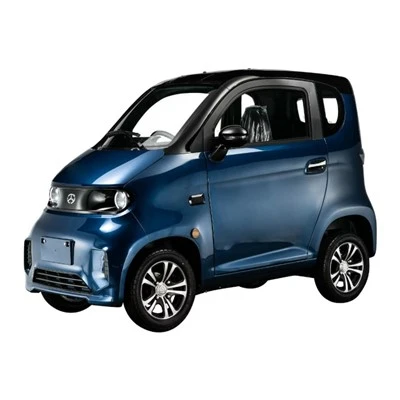
As a supplier of electric cargo vehicles, I’ve witnessed a significant shift in the urban transportation landscape. The rise of e-cargo vehicles presents a promising solution to traditional urban freight challenges, especially in terms of air quality. In this blog, I’ll explore how electric cargo vehicles impact the air we breathe in cities and why they are a vital part of a sustainable future. Electric Cargo Vehicle
The Current State of Urban Air Quality
Urban air pollution is a pressing issue that affects millions of people worldwide. According to the World Health Organization (WHO), nine out of ten people globally breathe air that contains high levels of pollutants. In cities, the situation is even more dire. The main sources of urban air pollution are vehicle emissions, industrial activities, and energy production.
Traditional cargo vehicles, powered by diesel or gasoline engines, are major contributors to poor air quality. These vehicles emit a variety of harmful pollutants, including particulate matter (PM), nitrogen oxides (NOx), and carbon monoxide (CO). PM, especially fine particles known as PM2.5, can penetrate deep into the lungs and cause respiratory and cardiovascular diseases. NOx can react with other chemicals in the atmosphere to form ground – level ozone, a major component of smog that irritates the respiratory system and can damage lung tissue. CO is a colorless, odorless gas that reduces the amount of oxygen that can be carried by the blood, leading to headaches, dizziness, and in severe cases, death.
The need to reduce these emissions is urgent, especially considering the rapid growth of urban populations and the increasing demand for goods delivery. This is where electric cargo vehicles come in as a game – changer.
How Electric Cargo Vehicles Improve Air Quality
Zero Tailpipe Emissions
The most significant advantage of electric cargo vehicles is that they produce zero tailpipe emissions. Unlike their gasoline or diesel counterparts, electric vehicles run on electricity stored in batteries. When an electric cargo vehicle is in operation, there is no combustion of fossil fuels, and thus, no direct release of pollutants such as PM, NOx, and CO.
This means that as more electric cargo vehicles replace traditional ones on the roads, the overall level of these harmful pollutants in the air will decrease. Cleaner air can lead to improved respiratory health for city dwellers, reduced hospital admissions for air – pollution – related illnesses, and an overall better quality of life.
Reduced Noise Pollution
While not directly related to air quality, the reduction of noise pollution by electric cargo vehicles has an indirect positive impact. Electric vehicles are significantly quieter than traditional combustion – engine vehicles. The reduction of noise stress can lead to less use of air – conditioning systems with closed windows during the day, allowing for improved natural ventilation in buildings. Additionally, quieter streets may encourage more people to use active forms of transportation such as walking or cycling, further reducing the overall number of motor vehicles on the road and contributing to better air quality.
Optimization of Energy Sources
The environmental benefits of electric cargo vehicles also depend on how the electricity they use is generated. In regions where a significant portion of the electricity comes from renewable sources such as wind, solar, or hydroelectric power, the carbon footprint of electric vehicles is even lower. As the world continues to transition towards a more renewable energy future, the environmental impact of electric cargo vehicles will only improve.
Moreover, electric vehicles can also be integrated with smart grid systems. They can charge during off – peak hours when the demand for electricity is low, and the energy used is often generated from cleaner sources. This not only reduces the strain on the grid but also maximizes the environmental advantages of electric cargo vehicles.
Real – World Impact Examples
There are several cities around the world that have already seen the positive effects of introducing electric cargo vehicles.
- In Amsterdam, the municipality has been actively promoting the use of electric cargo bikes and small electric trucks for last – mile deliveries. The clean – air zones in the city center have led to a significant reduction in air pollution levels. Coupled with the growth in the use of electric cargo vehicles, there has been a noticeable improvement in air quality, especially in terms of NOx and PM emissions.
- In Shenzhen, China, the city has replaced its entire fleet of diesel buses with electric ones and has also increased the number of electric cargo vehicles. The result has been a substantial drop in air pollution levels over the past few years. The city has also seen a decline in the number of pollution – related respiratory illnesses, indicating the positive health impact of cleaner air.
These examples demonstrate that electric cargo vehicles can have a real and positive impact on air quality when implemented on a large scale.
Challenges and Solutions
Despite the numerous benefits, the widespread adoption of electric cargo vehicles still faces some challenges.
Range Anxiety
One of the main concerns for delivery companies is range anxiety. Traditional cargo vehicles can typically travel long distances without refueling, while electric vehicles have a limited range. However, technological advancements are rapidly addressing this issue. New battery technologies are being developed that offer longer ranges and faster charging times. For example, solid – state batteries have the potential to significantly increase the energy density of electric vehicle batteries, allowing for longer trips.
High Initial Costs
Electric cargo vehicles are generally more expensive to purchase than their diesel or gasoline counterparts. The high upfront cost can be a deterrent for many small and medium – sized delivery companies. However, it’s important to consider the total cost of ownership. Electric vehicles have lower operating costs due to less maintenance requirements and cheaper fuel (electricity). Over time, these savings can offset the initial investment.
Additionally, governments and local authorities can play a role in promoting the adoption of electric cargo vehicles through subsidies and incentives. Tax credits, grants, and reduced registration fees can make electric vehicles more affordable for businesses.
Conclusion
Electric cargo vehicles offer a practical and effective solution to improving air quality in cities. Their zero – tailpipe emissions, reduced noise pollution, and potential for integration with renewable energy sources make them a key component of a sustainable urban transportation system.
As a supplier of electric cargo vehicles, I am committed to providing high – quality, reliable, and cost – effective solutions to delivery companies and urban planners. Our vehicles are designed to meet the needs of the modern urban logistics ecosystem, with features such as long – range capabilities, fast charging, and low maintenance requirements.
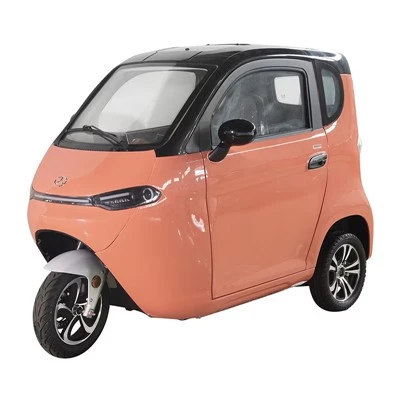
If you’re a delivery company looking to reduce your carbon footprint and contribute to cleaner air in your city, or if you’re an urban planner interested in promoting sustainable transportation solutions, I encourage you to consider our electric cargo vehicles. Contact us to discuss your specific needs and how we can work together to create a more sustainable future.
References
Electric Delivery Tricycle World Health Organization. (2021). Ambient (outdoor) air quality and health.
International Energy Agency. (2022). Global EV Outlook 2022.
European Environment Agency. (2022). Air quality in Europe – 2022 report.
Taizhou Xiangyuan New Energy Technology Co., Ltd.
As one of the most professional flat bed pick up truck manufacturers and suppliers in China, we’re featured by quality products and low price. Please rest assured to wholesale cheap flat bed pick up truck made in China here from our factory. Contact us for customized service and pricelist.
Address: NO.7HUANGJIN ROAD,METAL RESOURCES RECYCLING INDUSTRY BASE, LUQIAO, TAIZHOU, ZHEJIANG
E-mail: order@jiajiev.com
WebSite: https://www.jiaji-ev.com/
