Hey there! I’m a supplier of functional chemicals, and today I wanna chat about the cool applications of these chemicals in the packaging industry. Functional Chemicals
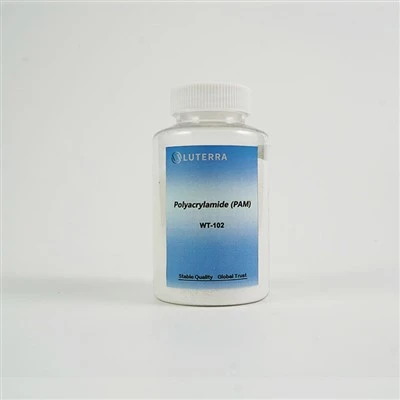
Let’s start with what functional chemicals are. They’re basically substances that are added to materials to give them specific properties. These can be anything from enhancing durability to providing resistance against moisture, oxygen, or even microbial growth.
Barrier Protection
One of the most important applications of functional chemicals in packaging is for barrier protection. In the food packaging world, keeping oxygen out is a big deal. When food is exposed to oxygen, it can go bad quickly – think about how fruits turn brown or how chips get stale. That’s where oxygen scavengers, a type of functional chemical, come in super handy.
These chemicals react with the oxygen inside the package, removing it and creating a low-oxygen environment. For example, iron-based oxygen scavengers are commonly used. They rust in the presence of oxygen, and in the process, they consume the oxygen in the package. This helps to extend the shelf life of food products, reducing waste and keeping our snacks fresh for longer.
Moisture is another enemy of many products. Whether it’s electronics, pharmaceuticals, or even some types of food, too much moisture can cause damage. Moisture barriers made with functional chemicals can help. For instance, some polymers can be treated with hydrophobic (water-repellent) chemicals. These chemicals create a sort of shield on the surface of the packaging material, preventing water vapor from getting in.
In the case of pharmaceutical packaging, moisture can degrade the active ingredients in drugs. So, using packaging with good moisture barriers is crucial for maintaining the effectiveness of the medicine.
Anti-Microbial and Anti-Fungal Properties
Functional chemicals can also be used to incorporate anti-microbial and anti-fungal properties into packaging. In the food industry, this is a major plus. Microbes and fungi can contaminate food and cause foodborne illnesses. By adding anti-microbial agents to the packaging, we can cut down on this risk.
Silver nanoparticles are one such functional chemical that has great anti-microbial properties. They can be added to plastic packaging materials. When bacteria come into contact with the packaging, the silver nanoparticles disrupt the cell membranes of the bacteria, killing them. This not only helps to keep the food safe but also extends the product’s shelf life.
In the healthcare industry, anti-fungal packaging is important for products like bandages and medical devices. Fungi can grow on these items if they’re stored in a moist environment, and that can lead to infections. By using packaging with anti-fungal chemicals, we can prevent fungal growth and ensure that these products remain sterile and safe to use.
Printing and Labeling
Functional chemicals play a big role in the printing and labeling of packaging too. For high-quality printing on packaging materials, we need inks that adhere well, dry quickly, and are resistant to scratches and fading. Chemical additives are used to make this happen.
For example, binders are added to inks. These are functional chemicals that help the ink stick to the packaging surface. They form a sort of glue that holds the ink pigments in place. Without good binders, the ink would just rub off easily, and the packaging would look shabby.
Drying agents are another important type of functional chemical in printing inks. They speed up the drying process, so that the printed packaging can move on to the next stage of production quickly. This is especially important in high-volume packaging operations, where time is money.
UV stabilizers can also be added to inks used for outdoor packaging. These chemicals protect the ink from the damaging effects of ultraviolet light, which can cause the colors to fade over time. So, when you see a brightly colored soda can that still looks great after months on the shelf, there’s a good chance UV stabilizers are at work in the ink.
Adhesion and Sealing
When it comes to putting together different parts of packaging or sealing it up, functional chemicals are key. Adhesives are used to bond layers of packaging materials together, and the performance of these adhesives depends on the right mix of functional chemicals.
For example, in the production of laminated packaging (like those shiny juice cartons), adhesives are used to stick different layers of plastic, paper, and aluminum foil. The adhesives need to have good adhesion strength, so that the layers don’t come apart easily. Cross-linking agents, which are functional chemicals, can be added to the adhesives. These agents create chemical bonds between the adhesive molecules and the packaging materials, making the bond stronger and more durable.
In heat-sealable packaging, functional chemicals are used to make the sealing process more efficient. Heat-seal layers in plastic packaging are designed to melt and fuse together when heat is applied. Chemical additives can lower the melting point of these layers, allowing for faster and more energy-efficient sealing. This not only saves time but also reduces production costs.
Environmental Considerations
Now, you might be thinking about the environmental impact of all these functional chemicals. Well, the good news is that the industry is moving towards more sustainable options. There are bio-based functional chemicals that are derived from renewable resources like plants.
For example, instead of using petroleum-based polymers for packaging, we can use polylactic acid (PLA), which is made from corn starch. PLA can be treated with bio-based functional chemicals to give it properties like moisture resistance and anti-microbial activity. These bio-based options are more eco-friendly because they’re biodegradable and have a lower carbon footprint.
Also, some functional chemicals can be designed to be less toxic and more easily recyclable. This helps in reducing the environmental burden associated with packaging waste.
Conclusion
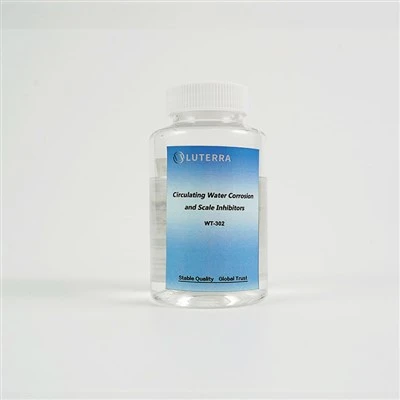
So, as you can see, functional chemicals have a wide range of applications in the packaging industry. From protecting products from oxygen and moisture, to preventing microbial growth, to enabling high-quality printing and strong adhesion – they’re pretty much everywhere in packaging.
Washing Agent If you’re in the packaging business and looking for reliable functional chemicals to meet your specific needs, I’d love to have a chat with you. Whether you need oxygen scavengers for food packaging, anti-microbial agents for healthcare products, or additives for your printing inks, I’ve got you covered. Just reach out, and we can discuss how my functional chemicals can take your packaging to the next level.
References
- "Handbook of Food Packaging Technology"
- "Packaging Materials and Processes"
- "Functional Polymers for Packaging Applications"
Luterra Advanced Materials Co., Ltd.
We are one of the most experienced functional chemicals manufacturers and suppliers in China, also support customized service. With a professional production team, we are able to meet the needs of the majority of our customers. Please feel free to buy high quality functional chemicals made in China here from our factory.
Address: East End of Jingting Road, Caterpillar Industrial Zone, Qingzhou City, Weifang City, Shandong Province, China
E-mail: info@luterra-chem.com
WebSite: https://www.luterra-chem.com/
